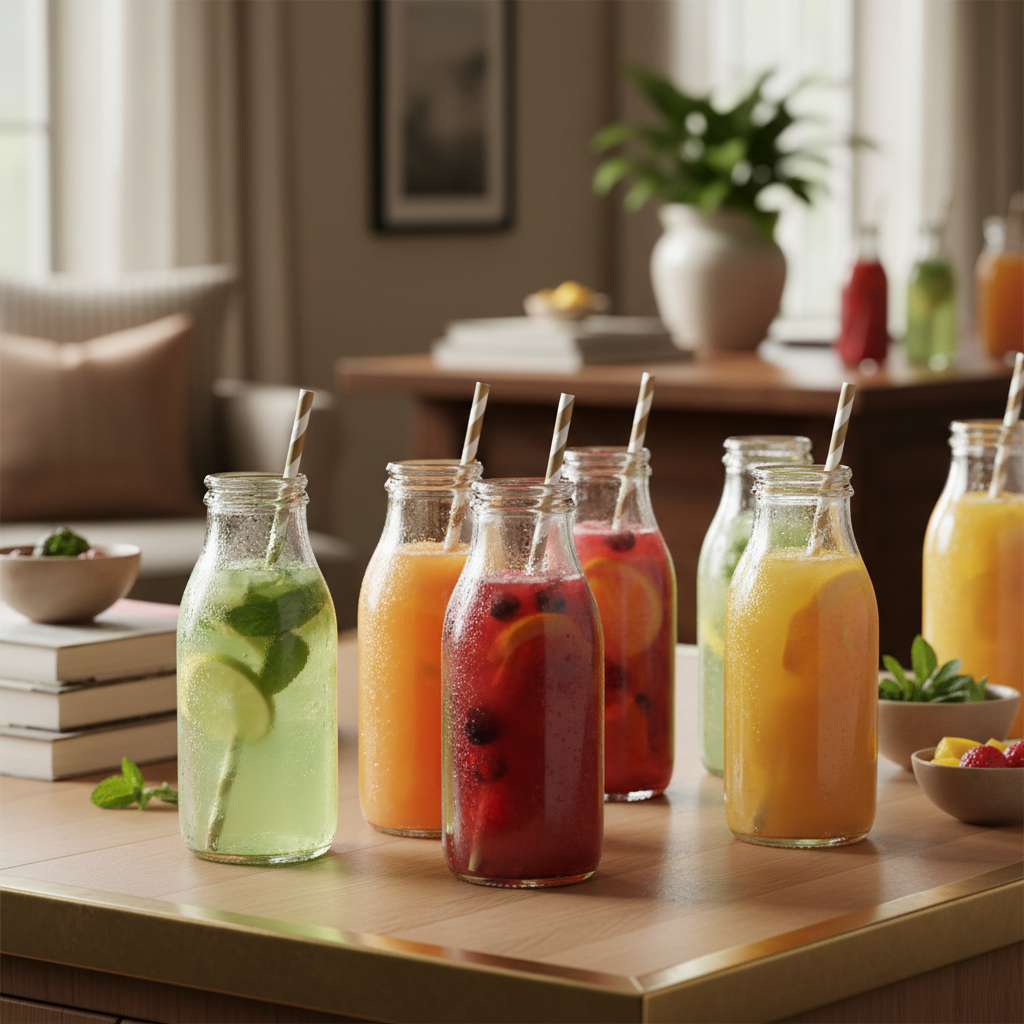
Clear glass bottles are a ubiquitous presence in modern life, serving as essential packaging for beverages, food, pharmaceuticals, and a multitude of other products. Their transparency, inertness, and recyclability contribute to their continued widespread use across diverse industries. Understanding the properties and applications of clear glass bottles is crucial for businesses optimizing packaging solutions, consumers making informed choices, and environmental advocates promoting sustainable practices.
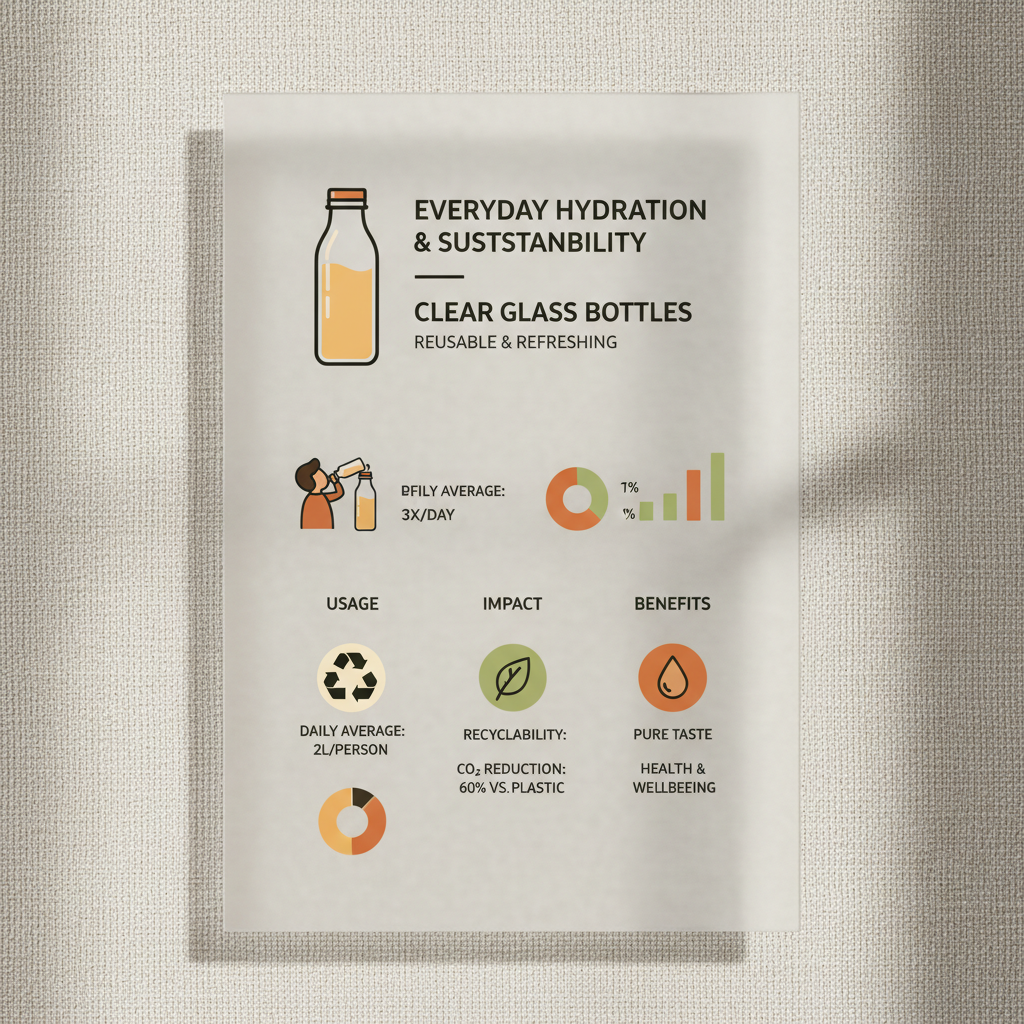
Globally, the demand for glass packaging, including clear glass bottles, remains substantial, fueled by rising consumption and a growing emphasis on product integrity and shelf appeal. According to the Glass Packaging Institute, glass is 100% recyclable and can be recycled endlessly without loss of quality. This inherent sustainability makes clear glass bottles a compelling alternative to plastic, particularly as concerns about plastic pollution intensify. However, challenges related to weight and transportation costs continue to drive innovation in glass manufacturing and design.
The versatility of clear glass bottles extends beyond simple containment. Their aesthetic qualities enhance brand presentation, allowing for clear visualization of contents and contributing to a premium product image. Clear glass bottles are also critical for applications where product purity and safety are paramount, such as in the pharmaceutical industry, where they prevent leaching and maintain chemical stability.
Introduction to Clear Glass Bottles
Clear glass bottles represent a cornerstone of modern packaging, offering a blend of functionality, aesthetics, and sustainability. Their ability to preserve product integrity, coupled with their recyclability, makes them a preferred choice for a vast array of industries, from food and beverage to pharmaceuticals and cosmetics. The continued evolution of glass manufacturing techniques is also driving innovation in bottle design, weight reduction, and overall performance.
The inherent properties of glass – its inertness, impermeability, and transparency – provide distinct advantages over alternative materials. This makes clear glass bottles ideal for storing sensitive products that require protection from external contaminants and degradation. Furthermore, their visual appeal allows brands to showcase their products effectively, enhancing consumer perception and influencing purchasing decisions.
The Global Relevance of Clear Glass Bottles
The global market for glass packaging, encompassing clear glass bottles, is a multi-billion dollar industry, driven by consumer demand for safe, sustainable, and visually appealing packaging solutions. Reports from organizations like the UN Environment Programme highlight the growing need to reduce plastic waste, positioning glass as a viable and increasingly popular alternative. The demand is particularly strong in developing economies experiencing growth in consumer goods consumption.
However, the production and transportation of glass require significant energy input, presenting a challenge to its overall environmental footprint. The weight of glass bottles also impacts transportation costs and carbon emissions. These challenges have spurred research and development into lightweight glass formulations and optimized logistics to minimize environmental impact and enhance cost-effectiveness.
The rise of e-commerce has also influenced the demand for clear glass bottles, as brands seek packaging that can withstand the rigors of shipping and handling while maintaining product integrity and visual appeal. The ability of clear glass to communicate product quality and authenticity is particularly important in the online marketplace.
Defining Clear Glass Bottles
Clear glass bottles are containers manufactured from a transparent form of glass, typically soda-lime glass, chosen for its affordability and versatility. This type of glass is composed primarily of silica sand, soda ash, and limestone, combined and melted at high temperatures before being molded into desired shapes. The “clear” designation indicates the absence of significant coloring agents, allowing for full visibility of the bottle’s contents.
Their defining characteristic lies in their transparency, allowing consumers to directly assess the product within. This attribute fosters trust and allows for quality perception. Unlike opaque containers, clear glass bottles don’t obscure the product, which is crucial for beverages, sauces, and products where visual appeal is a key selling point.
In modern industry, clear glass bottles are not merely containers but branding vehicles. Custom shapes, embossing, and labeling techniques are employed to create distinctive packaging that enhances brand recognition and differentiates products on the shelf. Their role extends beyond simple containment to becoming integral components of product marketing and consumer experience.
Key Factors of Clear Glass Bottles
Several key factors contribute to the enduring popularity and effectiveness of clear glass bottles. These include durability, inertness, recyclability, aesthetic appeal, and cost-effectiveness (when considering lifecycle costs). Understanding these aspects is crucial for optimizing packaging strategies and ensuring product quality.
Durability: Glass is remarkably strong and resistant to breakage, particularly when designed with appropriate wall thickness and impact resistance features. This ensures product safety during transportation and handling. Inertness: Glass doesn’t react with the contents it holds, preventing leaching of chemicals and preserving product purity. Recyclability: Glass is 100% recyclable and can be repeatedly recycled without loss of quality. Aesthetic Appeal: The transparency and moldability of glass allow for visually appealing designs. Cost-Effectiveness: While initial costs may be higher than plastic, glass's recyclability and longevity contribute to long-term cost savings.
Clear Glass Bottles: Performance Metrics
Global Applications of Clear Glass Bottles
Clear glass bottles are utilized across a vast spectrum of industries worldwide. The beverage industry (water, juices, alcoholic beverages) is a major consumer, valuing the preservation of taste and the premium aesthetic. The food industry leverages clear glass for products like sauces, jams, and pickles, where visibility of contents is essential.
Pharmaceutical companies rely heavily on clear glass bottles for storing injectable medications, syrups, and other sensitive formulations, due to glass’s inertness and ability to maintain product sterility. In the cosmetics industry, clear glass packaging enhances the perceived luxury of perfumes, lotions, and skincare products. In post-disaster relief operations, clean, reusable clear glass bottles are frequently employed for distributing safe drinking water.
Regions with established recycling infrastructure, such as Europe and North America, exhibit high rates of glass bottle reuse and recycling. Developing nations are increasingly adopting glass packaging as they modernize their food and beverage industries. Clear glass bottles also see significant use in remote industrial zones where maintaining product quality and safety in harsh conditions is critical.
Advantages and Value of Clear Glass Bottles
The advantages of using clear glass bottles extend beyond mere containment. The inherent recyclability of glass contributes to a circular economy, reducing landfill waste and conserving natural resources. Glass production requires readily available raw materials, reducing reliance on finite fossil fuels compared to plastic production.
From a consumer perspective, clear glass bottles promote trust and transparency, allowing visual assessment of product quality. This fosters a sense of confidence and enhances brand perception. The elegant aesthetic of glass also adds value, particularly for premium products. Furthermore, the inert nature of glass ensures product safety, safeguarding consumer health.
Future Trends and Innovations in Clear Glass Bottles
Ongoing innovation in glass technology is focused on lightweighting, improved strength, and enhanced recycling processes. New glass formulations are being developed to reduce energy consumption during production and to lower the bottle’s overall weight, reducing transportation costs. The implementation of digital watermarks for improved sorting and recycling is also gaining traction.
Sustainable manufacturing practices, powered by renewable energy sources, are becoming increasingly prevalent in the glass industry. Advances in coating technologies are enhancing the barrier properties of glass, extending product shelf life and reducing the need for preservatives. The integration of smart packaging technologies, such as NFC tags, is enabling improved traceability and consumer engagement.
Policy initiatives promoting extended producer responsibility (EPR) and deposit-refund schemes are further driving the demand for recyclable packaging materials like clear glass bottles. Automation and robotics are streamlining glass production processes, increasing efficiency and reducing manufacturing costs.
Challenges and Solutions
Despite its advantages, the widespread adoption of clear glass bottles faces challenges. The relatively high weight of glass compared to plastic increases transportation costs and carbon emissions. Breakage during transport and handling remains a concern, requiring robust packaging solutions and careful logistics. The energy-intensive nature of glass production also presents an environmental challenge.
Solutions include investing in lightweighting technologies to reduce bottle weight, optimizing logistics to minimize transportation distances, and transitioning to renewable energy sources for glass manufacturing. Implementing closed-loop recycling systems, where glass bottles are collected, processed, and reused in new bottle production, is crucial. Exploring alternative glass formulations that require lower melting temperatures can also reduce energy consumption.
Collaborative efforts between manufacturers, policymakers, and consumers are essential to overcome these challenges and unlock the full potential of clear glass bottles as a sustainable packaging solution. This includes incentivizing recycling, promoting deposit-refund schemes, and investing in research and development of innovative glass technologies.
Table Summarizing Clear Glass Bottle Performance Metrics
| Bottle Type |
Recyclability Score (1-10) |
Durability Score (1-10) |
Sustainability Score (1-10) |
| Standard Clear Glass Bottle |
10 |
8 |
7 |
| Lightweight Clear Glass Bottle |
10 |
7 |
8 |
| Coated Clear Glass Bottle |
9 |
9 |
7 |
| High-Strength Clear Glass Bottle |
10 |
9 |
6 |
| Recycled Clear Glass Bottle |
10 |
7 |
9 |
| Borosilicate Clear Glass Bottle |
9 |
10 |
6 |
FAQS
Clear glass bottles offer several key advantages. They are 100% recyclable without loss of quality, preventing the build-up of plastic waste. Glass is inert, meaning it won’t leach chemicals into the beverage, preserving taste and purity. The transparency allows consumers to see the product, building trust. While heavier than plastic, glass’s durability reduces breakage and protects the contents. Its premium aesthetic can also enhance brand perception.
The higher weight of clear glass bottles compared to plastic inevitably leads to increased transportation costs. More fuel is required to transport the same volume of product, resulting in higher shipping expenses and a larger carbon footprint. However, manufacturers are addressing this through lightweighting technologies, reducing the amount of glass used while maintaining strength and durability. Optimizing packaging configurations and logistics can also mitigate these costs.
While glass is highly recyclable, its production is energy-intensive. However, advancements are making the process more sustainable. Using recycled glass (cullet) significantly reduces energy consumption, as it melts at a lower temperature than virgin materials. Transitioning to renewable energy sources for glass manufacturing plants and optimizing production processes are further reducing the environmental impact.
Businesses can play a crucial role in promoting glass recycling. Clear labeling indicating recyclability is essential. Supporting and participating in deposit-refund schemes incentivizes consumers to return bottles for recycling. Educational campaigns highlighting the benefits of glass recycling can also increase participation rates. Partnering with local recycling facilities and providing convenient drop-off locations further facilitates recycling efforts.
Coatings can significantly enhance the performance of clear glass bottles. Internal coatings can improve product compatibility, preventing interactions between the contents and the glass. External coatings can enhance scratch resistance, impact strength, and aesthetic appeal. Specialized coatings can also provide barrier properties, extending product shelf life by reducing oxygen permeation or UV light exposure.
Several promising technologies are emerging. Digital watermarks allow for improved sorting at recycling facilities, increasing the efficiency of the recycling process. Bio-based coatings are being developed as sustainable alternatives to traditional coatings. Lightweighting technologies continue to evolve, reducing glass consumption. Research into alternative glass compositions using more abundant and sustainable raw materials is also underway.
Conclusion
Clear glass bottles remain a vital component of the global packaging landscape, offering a unique combination of functionality, sustainability, and aesthetic appeal. Their inherent recyclability, inertness, and transparency make them a preferred choice for a wide range of applications, from beverages and food to pharmaceuticals and cosmetics. Continued innovation in glass manufacturing, coating technologies, and recycling infrastructure will further enhance their value and minimize their environmental impact.
Looking ahead, embracing circular economy principles and investing in sustainable practices are crucial for maximizing the benefits of clear glass bottles. Collaboration between manufacturers, policymakers, and consumers is essential to overcome existing challenges and unlock the full potential of this versatile and environmentally responsible packaging solution. Visit our website at clear glass bottles to learn more and explore our range of high-quality glass packaging solutions.
 TEL: +86 18903393212
 Email: tina@yintoglassware.com