0%

Table of Contents

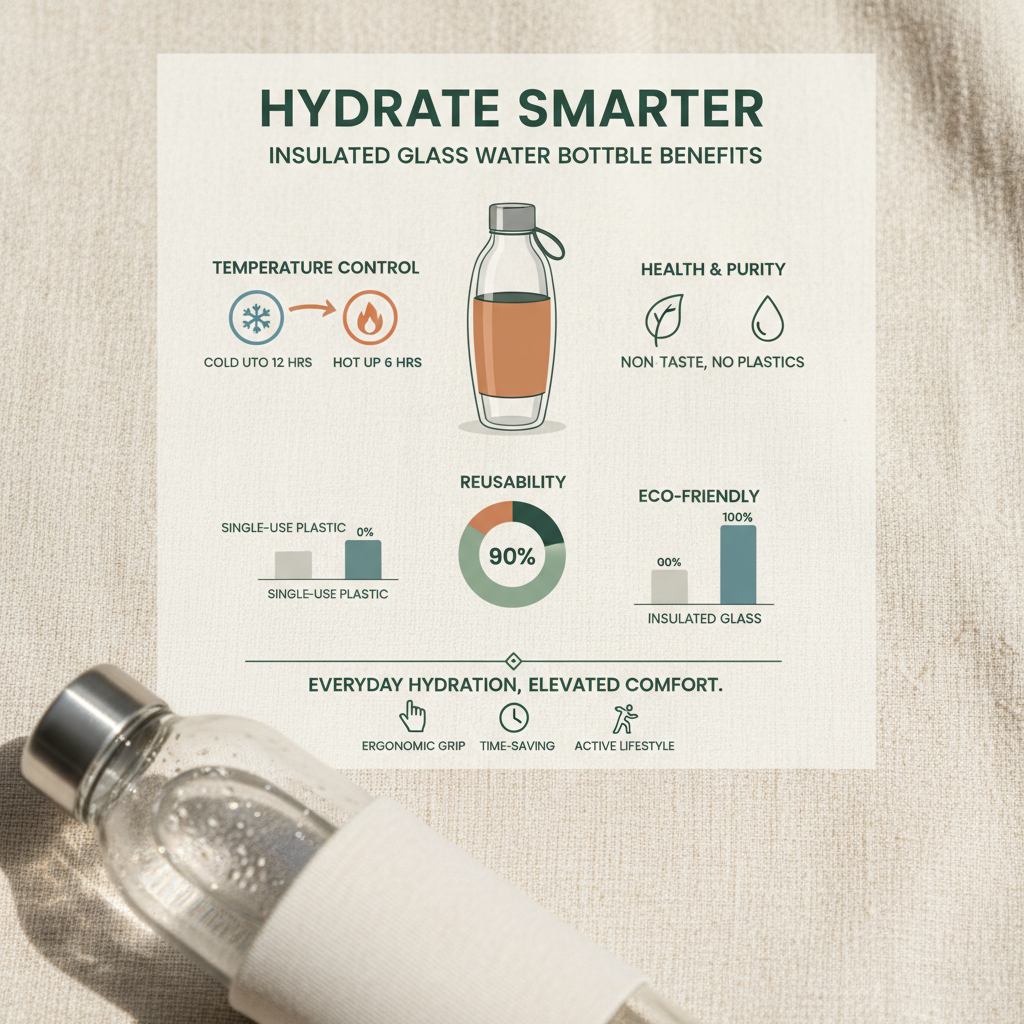
The insulated glass water bottle has emerged as a critical component of modern hydration, blending functionality with sustainability. Globally, there's a rising awareness regarding the harmful effects of single-use plastics and a corresponding demand for eco-friendly alternatives. This trend, coupled with increasing health consciousness, fuels the growth of the insulated glass water bottle market. Its ability to maintain beverage temperature – keeping drinks cold for up to 24 hours and hot for up to 12 – makes it a versatile choice for diverse lifestyles.

The market for reusable water bottles is projected to reach substantial figures in the coming years, as reported by industry analysts. This growth isn’t solely driven by consumer preference; regulations aimed at reducing plastic waste are also playing a pivotal role. Manufacturers are responding with innovative designs and materials, enhancing the appeal and practicality of the insulated glass water bottle.

Understanding the nuances of insulated glass water bottles – from their construction and materials to their benefits and applications – is paramount for both consumers seeking a reliable hydration solution and businesses aiming to capitalize on a rapidly expanding market. Choosing a high-quality insulated glass water bottle represents a proactive step towards a healthier lifestyle and a more sustainable future.

The Rise of Insulated Glass Water Bottles for Sustainable Hydration

The Evolution of the Insulated Glass Water Bottle

The Rise of Insulated Glass Water Bottles for Sustainable Hydration

The history of insulated drinkware traces back to the early 20th century with the invention of the vacuum flask, primarily used for keeping beverages hot. However, the integration of glass and vacuum insulation, resulting in the modern insulated glass water bottle, is a relatively recent development. Initially, stainless steel dominated the market, but concerns over metallic tastes and the desire for a cleaner, purer drinking experience drove innovation towards glass options.

Early insulated glass bottles were often bulky and fragile. Advancements in glass technology, particularly the development of borosilicate glass known for its thermal shock resistance, and improved vacuum sealing techniques have led to the lightweight, durable, and highly effective insulated glass water bottle we know today.

Defining the Insulated Glass Water Bottle

An insulated glass water bottle is a reusable container designed to maintain the temperature of its contents, utilizing a double-walled construction with a vacuum sealed between the layers. This vacuum acts as a thermal barrier, preventing heat transfer via conduction and convection. The inner layer is typically made of borosilicate glass, prized for its durability and resistance to thermal shock.

Unlike single-walled glass or plastic bottles, insulated glass water bottles excel at keeping beverages cold for extended periods (typically up to 24 hours) and hot for several hours (around 12). This functionality makes them ideal for a wide range of applications, from daily commuting to outdoor adventures.

The connection to modern needs lies in the increasing emphasis on sustainable living and personal health. By eliminating the need for disposable plastic bottles, the insulated glass water bottle contributes to reducing plastic waste and promoting a more environmentally responsible lifestyle.

Core Components and Manufacturing

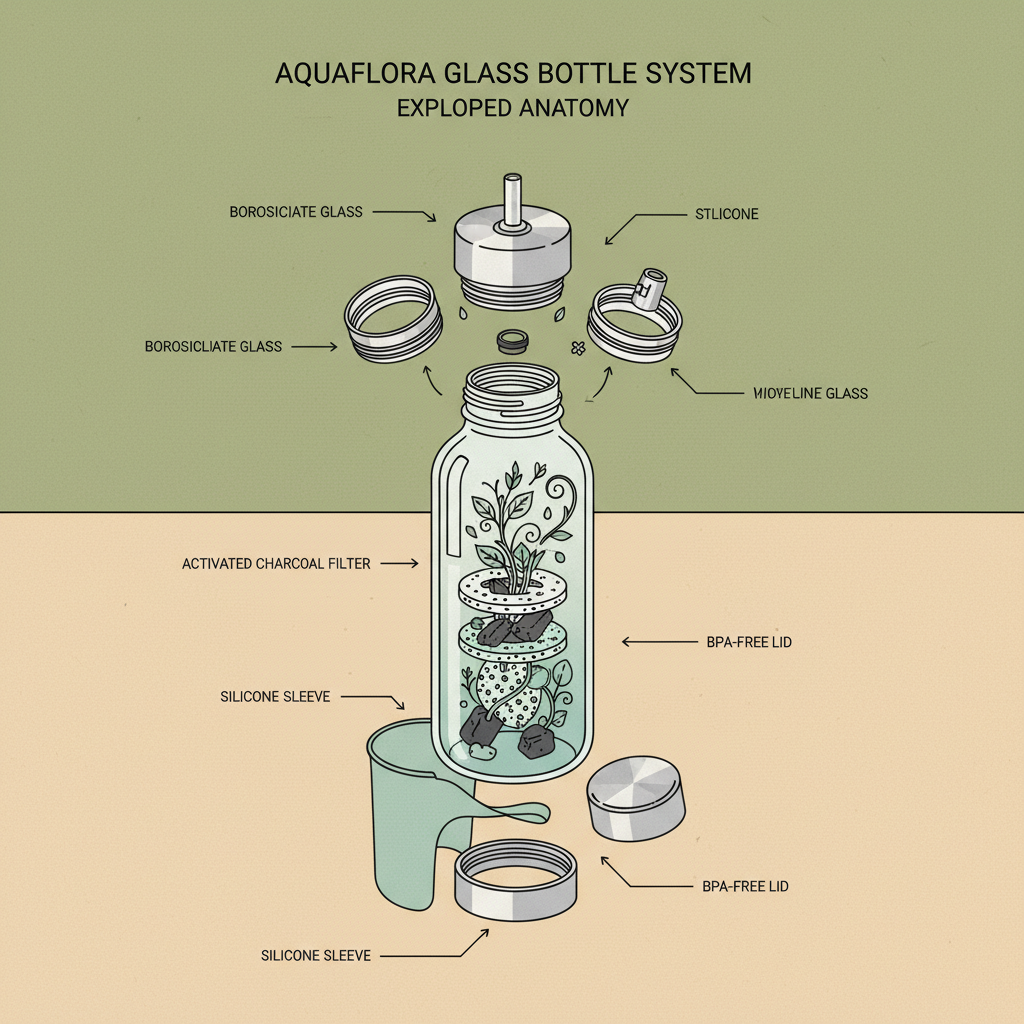
The key components of an insulated glass water bottle include the borosilicate glass inner liner, the outer shell (often stainless steel), the vacuum seal, and the lid (typically made of plastic or bamboo with a silicone seal). The manufacturing process begins with forming the glass liner, which requires precise temperature control to ensure structural integrity.

Creating the vacuum seal is the most critical step. This involves welding the glass liner to the outer shell, evacuating the air between the layers, and sealing the opening. Defects in the seal can compromise the insulation properties. Quality control measures throughout the process are essential to guarantee the bottle’s performance and durability.

The lid design plays a significant role in preventing leaks and maintaining temperature. Modern lids often incorporate features like silicone gaskets and secure locking mechanisms. Finally, the bottle undergoes rigorous testing to ensure it meets safety and performance standards.

Performance Metrics of Insulated Glass Water Bottles

Evaluating the performance of an insulated glass water bottle involves assessing several key metrics. Temperature retention is paramount, measured by how long the bottle maintains the initial temperature of hot or cold liquids. Another critical factor is durability, considering resistance to impacts, scratches, and thermal shock.

Leak-proof integrity is also essential, especially for bottles intended for travel or outdoor use. The quality of materials used—specifically the glass and the vacuum seal—directly impacts these performance characteristics.

Temperature Retention Comparison of Different insulated glass water bottle Designs


Global Applications and Market Presence

The applications of insulated glass water bottles are incredibly diverse. They are widely used by individuals for daily hydration at work, school, and during exercise. Their superior temperature retention makes them especially popular among hikers, campers, and outdoor enthusiasts. Furthermore, they're gaining traction in corporate settings as a sustainable alternative to disposable water bottles.

The market for these bottles is global, with significant demand in North America, Europe, and Asia-Pacific. Leading manufacturers are based in China, the United States, and Germany, supplying both domestic and international markets. The increasing awareness of environmental issues is driving demand in developing countries as well.

Advantages and Long-Term Sustainability

The benefits of choosing an insulated glass water bottle extend beyond convenience. Glass is a non-toxic, BPA-free material, ensuring that your beverage remains pure and free from harmful chemicals. Its inherent resistance to staining and odor absorption contributes to a cleaner, more hygienic drinking experience.

From a sustainability perspective, insulated glass water bottle drastically reduce reliance on single-use plastics, minimizing landfill waste and ocean pollution. Investing in a durable glass bottle is a long-term cost-effective solution compared to repeatedly purchasing disposable bottles.

Future Trends and Innovation in Glass Bottle Technology

Innovation in insulated glass water bottle technology is ongoing. Research is focused on improving vacuum sealing techniques to enhance temperature retention and durability. The integration of smart technology, such as temperature sensors and hydration tracking features, is also emerging.

Materials science is playing a key role, with explorations into advanced glass compositions that offer even greater thermal shock resistance and lightweight properties. The use of biodegradable and compostable materials for lids and protective sleeves is another area of active development, aligning with the growing demand for truly sustainable products.

Furthermore, advancements in manufacturing processes are aimed at reducing production costs, making insulated glass water bottles more accessible to a wider range of consumers.

FAQS

What are the advantages of choosing a glass insulated water bottle over stainless steel?

Glass doesn’t impart any taste or odor to your beverage, unlike some stainless steel bottles. It's also a more eco-friendly material as it’s fully recyclable and doesn't leach chemicals. A high-quality insulated glass water bottle provides a pure and clean drinking experience, alongside excellent temperature retention.

How do I care for my insulated glass water bottle to prolong its lifespan?

Hand washing is recommended to prevent damage to the vacuum seal. Avoid abrasive cleaners or scouring pads. If the bottle develops mineral deposits, a mixture of vinegar and water can be used for cleaning. Protect the glass from significant impacts as, while durable, it can break under extreme force.

Is borosilicate glass truly shatterproof?

Borosilicate glass is highly resistant to thermal shock, meaning it can withstand significant temperature changes without cracking. However, it's not entirely shatterproof. While it's much more durable than standard glass, it can still break if subjected to a strong impact. Protective sleeves are available for added protection.

What's the best way to test the insulation quality of a new bottle?

Fill the bottle with boiling water and seal it tightly. After 6-12 hours, measure the water temperature. A well-insulated bottle should retain a significantly high temperature. Repeat the test with ice water to assess cold retention. This provides a practical indication of the bottle’s insulation performance.

Are insulated glass water bottles safe for carbonated beverages?

Yes, insulated glass water bottles are generally safe for carbonated beverages, provided they are designed with a robust lid and seal to handle the pressure. Always ensure the lid is securely fastened before shaking or opening the bottle.

What is the environmental impact of manufacturing insulated glass water bottles?

While glass production requires energy, it’s a fully recyclable material, reducing landfill waste. Manufacturers are increasingly adopting sustainable practices to minimize their carbon footprint, such as using recycled glass and optimizing energy consumption. Choosing a durable insulated glass water bottle ultimately reduces the need for disposable plastic bottles, contributing to a more sustainable lifestyle.

Conclusion

In conclusion, the insulated glass water bottle represents a significant advancement in hydration technology, offering a blend of practicality, sustainability, and health benefits. From its evolution rooted in vacuum flask innovation to its diverse applications in modern lifestyles, this product embodies a commitment to both personal well-being and environmental responsibility. The material's inherent purity, coupled with superior temperature retention, distinguishes it from alternatives, solidifying its position as a preferred choice for discerning consumers.

Looking ahead, continued innovation in materials science and manufacturing processes will further enhance the performance and accessibility of insulated glass water bottles. Embracing this sustainable hydration solution is not merely a trend but a proactive step towards a healthier planet and a more conscious lifestyle. We invite you to explore the range of options available at Yinto Glassware and discover the perfect insulated glass water bottle to meet your needs.

William Davis

William Davis

William Davis is our Head of Global Marketing, responsible for crafting and executing marketing strategies to reach audiences around the world. He has a strong background in digital marketing and brand building, with a focus on adapting messaging to resonate with local cultures. William leads a team of marketing specialists
Previous The Enduring Value of Clear Glass Bottles in Modern Packaging
Next Elevate Hydration with a Durable Glass Water Bottle with Silicone Sleeve