The pursuit of sustainable hydration solutions is paramount in today’s world, with increasing concerns surrounding plastic waste and its impact on the environment. A glass water bottle represents a significant step towards addressing these concerns, offering a durable, reusable, and aesthetically pleasing alternative to disposable plastic bottles. Understanding the benefits and applications of glass water bottles is crucial for individuals, businesses, and organizations committed to reducing their environmental footprint and promoting healthier lifestyles. This article delves into the multifaceted world of glass water bottles, exploring their key features, global applications, advantages, future trends, and common challenges.
The global market for reusable water bottles is experiencing substantial growth, driven by rising environmental consciousness and health awareness. According to a report by Grand View Research, the global reusable water bottle market size was valued at USD 8.07 billion in 2022 and is projected to reach USD 12.64 billion by 2030, exhibiting a CAGR of 5.7% from 2023 to 2030. This growth is particularly pronounced in regions with strong environmental regulations and a growing focus on personal wellness. The adoption of glass water bottle is intrinsically linked to broader sustainability initiatives, including reducing plastic pollution, conserving resources, and promoting responsible consumption.
However, despite the clear advantages, challenges related to cost, weight, and fragility sometimes hinder widespread adoption. Addressing these challenges through innovative design, improved manufacturing processes, and targeted consumer education is essential to unlock the full potential of glass water bottles as a sustainable hydration solution. This document serves as a comprehensive guide to understanding glass water bottles and their potential to contribute to a more sustainable future.
Introduction: Global or Industry Context
The increasing global awareness of plastic pollution has significantly boosted the demand for sustainable alternatives, placing glass water bottle at the forefront of this shift. Driven by concerns over microplastic ingestion and the environmental impact of single-use plastics, consumers are actively seeking reusable and eco-friendly options. This demand is particularly strong in developed nations with robust recycling infrastructure and a heightened focus on environmental responsibility, but is rapidly growing in emerging markets as well.
Industries ranging from beverage manufacturing to hospitality and wellness are recognizing the benefits of adopting glass bottles as part of their sustainability strategies. Companies are increasingly offering branded glass water bottles as promotional items or incorporating them into their product lines to appeal to environmentally conscious consumers. The move towards glass reflects a broader trend of corporate social responsibility and a commitment to reducing environmental impact.
The very essence of using a glass water bottle is about minimizing our contribution to the plastic crisis, which, according to the UN Environment Programme, produces over 400 million tonnes of plastic waste every year. glass water bottle offer a solution to reduce plastic waste in a world heavily reliant on disposable products.
Definition & Meaning
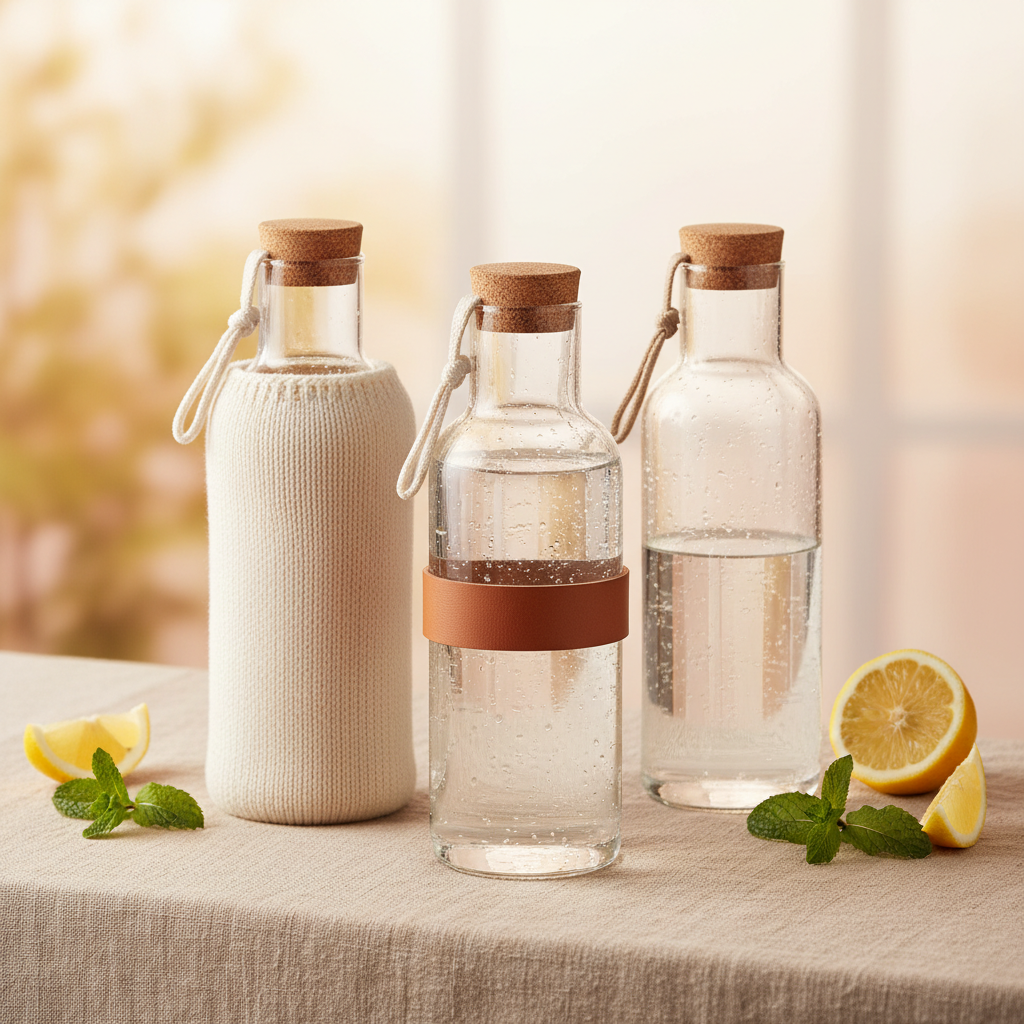
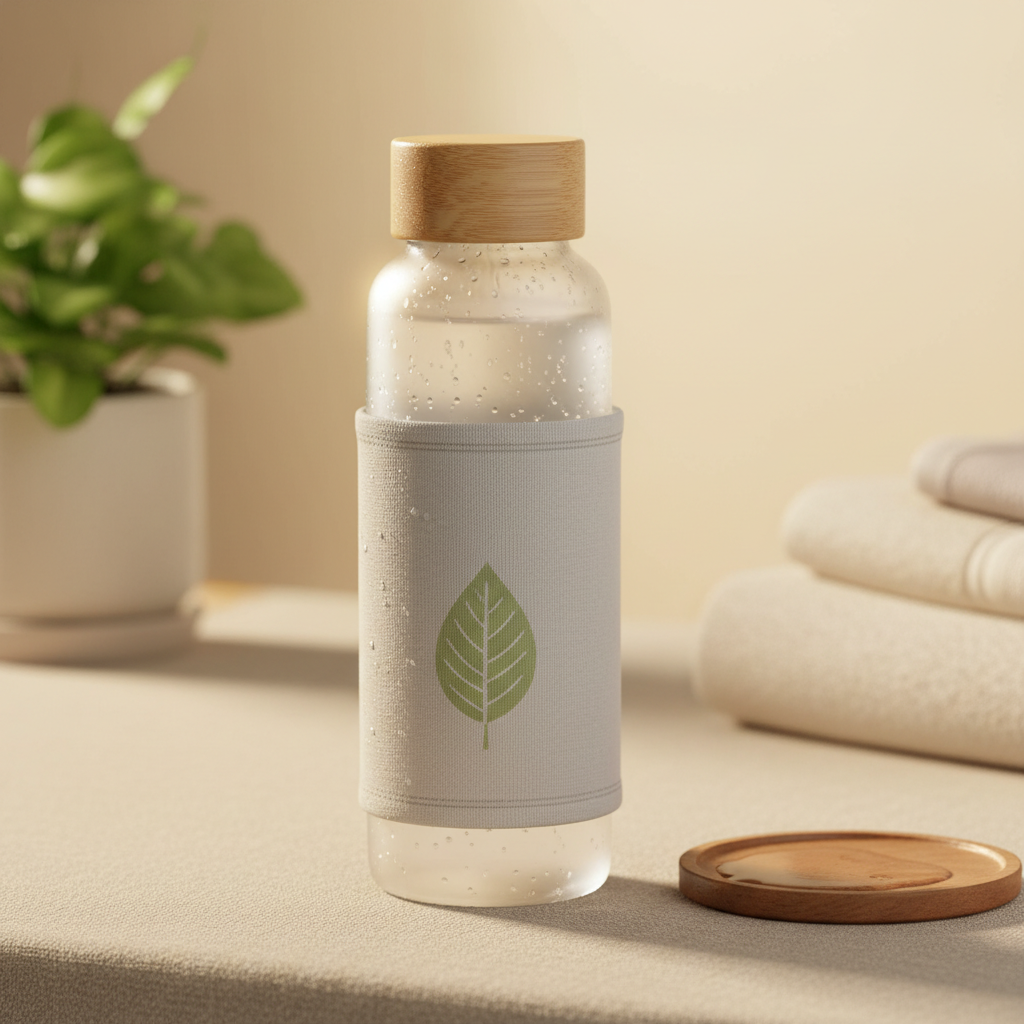
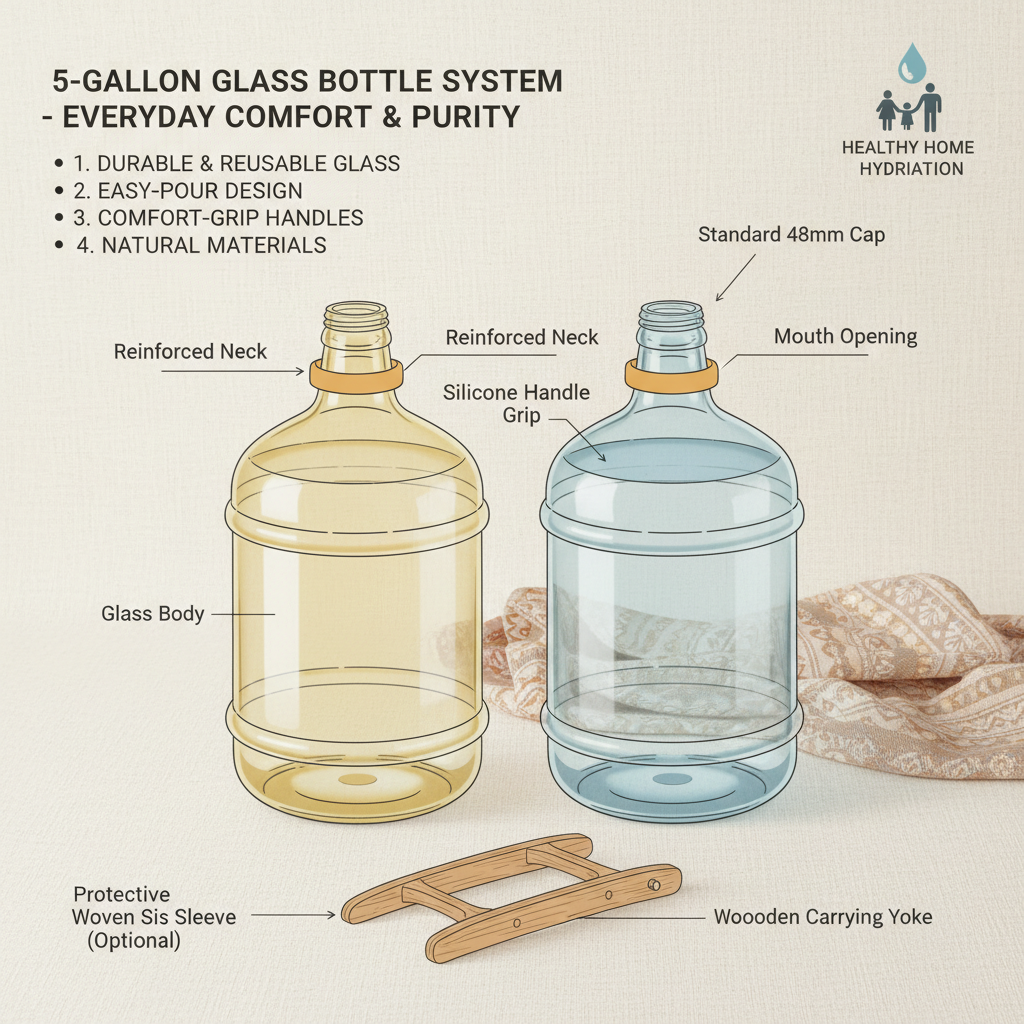
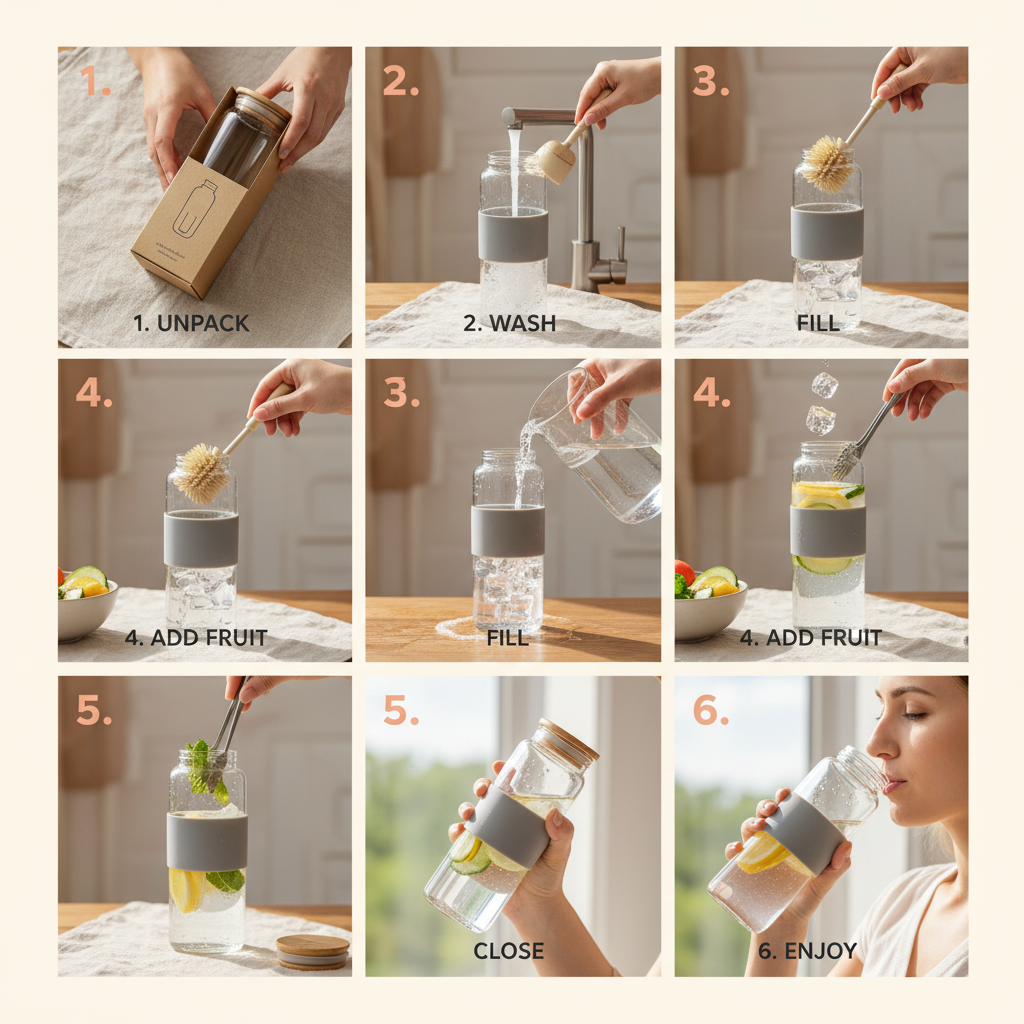
A glass water bottle is, quite simply, a container made primarily of glass designed for holding and consuming water or other beverages. However, its significance extends beyond its functional definition. It represents a conscious choice to move away from disposable plastic and embrace a more sustainable lifestyle. Modern glass water bottles often incorporate features like silicone sleeves for added protection, leak-proof lids, and ergonomic designs for ease of use.
In the context of modern industry, the adoption of glass water bottles signifies a commitment to circular economy principles. Unlike plastic, glass is 100% recyclable without loss of quality, meaning it can be repeatedly recycled into new glass products, reducing the demand for raw materials and minimizing waste. This aligns with the growing emphasis on Extended Producer Responsibility (EPR) schemes and sustainable packaging solutions.
From a humanitarian perspective, providing access to clean drinking water in reusable containers like glass water bottles is critical. Glass, being inert and non-porous, doesn't leach harmful chemicals into the water, ensuring the purity and safety of the beverage, especially in areas with limited access to safe water sources and sanitation facilities.
Key Factors or Core Components
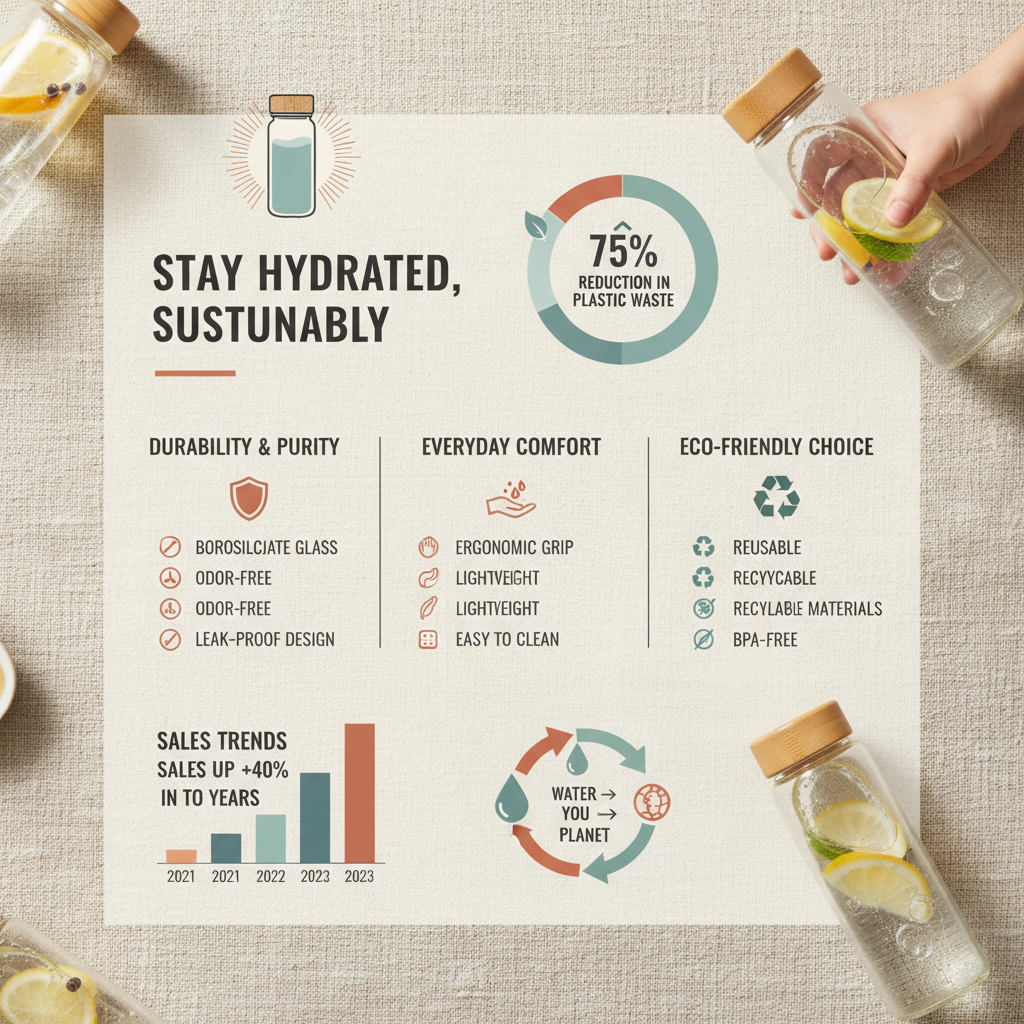
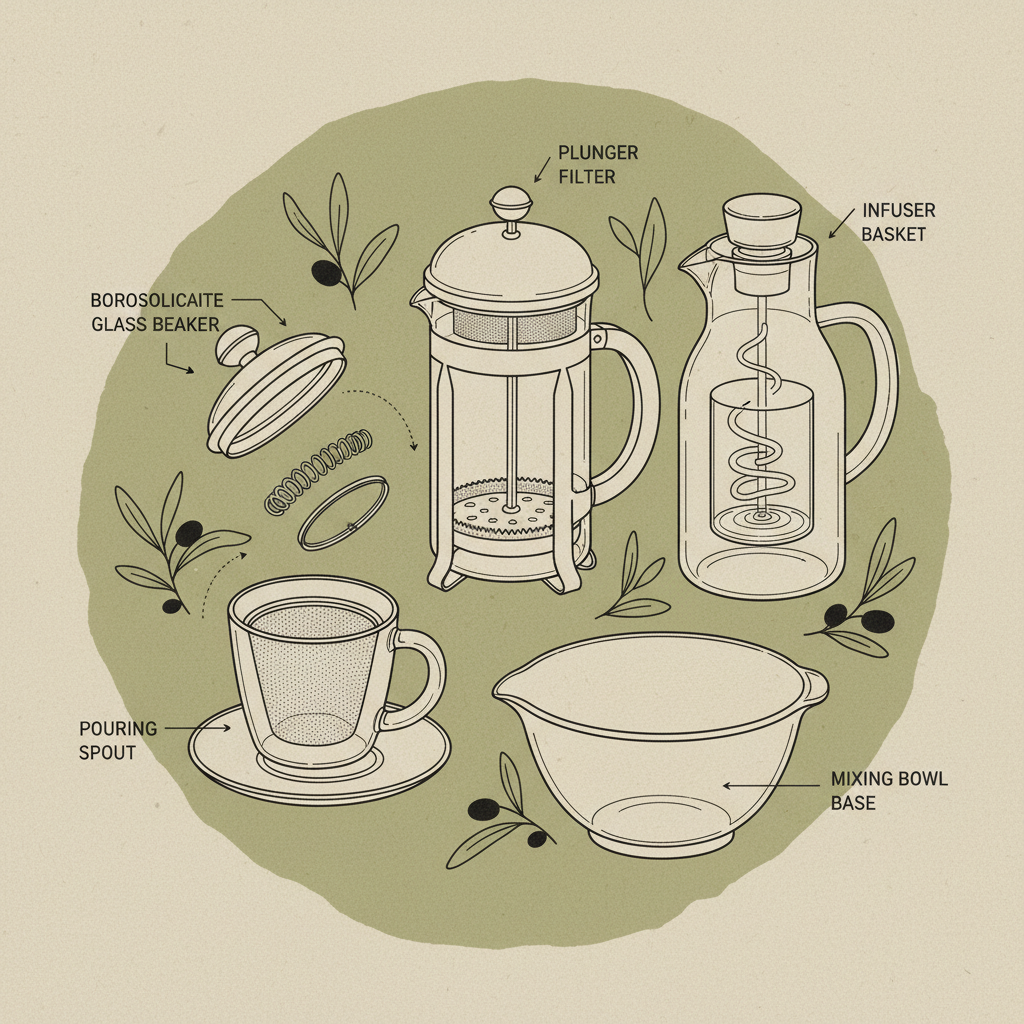
Several key factors contribute to the appeal and effectiveness of glass water bottle. Purity and Taste: Glass is a non-porous material, meaning it doesn't absorb flavors or odors, preserving the pure taste of the beverage. Durability: While seemingly fragile, borosilicate glass, commonly used in high-quality bottles, is remarkably durable and resistant to thermal shock.
Sustainability: As mentioned previously, glass is 100% recyclable, contributing to a circular economy and reducing landfill waste. Aesthetics: Glass bottles often have an elegant and visually appealing design, making them a desirable accessory and promoting a positive brand image. Health and Safety: Glass is BPA-free and doesn’t leach harmful chemicals, making it a safe choice for drinking water. Ease of Cleaning: Glass is relatively easy to clean and sanitize, reducing the risk of bacterial growth.
Global Applications & Use Cases
The applications of glass water bottle are diverse and span numerous sectors. In the hospitality industry, hotels and restaurants are increasingly offering glass water bottles to guests as a sustainable alternative to plastic bottles, enhancing their brand reputation and appealing to environmentally conscious travelers. Gyms and fitness centers are also adopting glass bottles, providing a hygienic and reusable option for their members.
In post-disaster relief operations, glass water bottles can be invaluable for providing safe and clean drinking water to affected communities, especially where access to clean water sources is limited. They offer a durable and reusable alternative to disposable plastic bottles, reducing waste and minimizing the environmental impact of relief efforts. In remote industrial zones, construction sites, and outdoor workplaces, glass water bottles offer a reliable and safe hydration solution for workers, ensuring they stay hydrated and healthy throughout the day.
Organizations focused on promoting sustainable living often distribute branded glass water bottle as part of their outreach programs, raising awareness about the benefits of reusable alternatives and encouraging behavioral change. Educational institutions are also incorporating glass water bottles into their sustainability initiatives, promoting responsible consumption among students and staff.
Glass Water Bottle Usage by Region
Advantages & Long-Term Value
The advantages of glass water bottle extend far beyond simply providing a vessel for hydration. From a cost perspective, while the initial investment may be higher than that of a plastic bottle, the long-term savings are significant. A durable glass bottle, if properly cared for, can last for years, eliminating the need for repeated purchases of disposable bottles. This contributes to a more economical and sustainable lifestyle.
The environmental benefits are equally compelling. By reducing reliance on single-use plastics, glass water bottles help to mitigate plastic pollution, conserve resources, and reduce carbon emissions associated with plastic production and disposal. From a social impact perspective, promoting the use of reusable bottles fosters a culture of environmental responsibility and encourages individuals to adopt more sustainable habits. The very act of choosing a glass bottle can empower individuals to take ownership of their environmental impact.
Future Trends & Innovations
The future of glass water bottle is poised for continued innovation. We can anticipate the development of even more durable and lightweight glass materials, potentially incorporating recycled glass content to further reduce environmental impact. Smart glass bottles equipped with sensors to track hydration levels and provide personalized recommendations are also on the horizon.
Furthermore, advancements in manufacturing techniques will likely lead to more cost-effective production processes, making glass water bottles more accessible to a wider range of consumers. Integration with digital platforms and mobile apps could also enhance the user experience, providing features such as hydration reminders, water quality monitoring, and community challenges.
Challenges & Solutions
Despite their numerous benefits, glass water bottle face certain challenges. The primary concern is fragility. While borosilicate glass is more durable than standard glass, it can still break if dropped. Solutions include incorporating protective silicone sleeves, developing thicker glass designs, and promoting responsible handling.
Another challenge is weight. Glass is heavier than plastic, which can be a deterrent for some users. Innovative design strategies, such as optimizing bottle shape and reducing wall thickness without compromising structural integrity, can help to minimize weight. Moreover, increased consumer awareness of the environmental benefits can outweigh the inconvenience of slightly heavier weight.
Finally, cost can be a barrier to entry for some consumers. Investing in more efficient manufacturing processes and exploring alternative materials, such as recycled glass, can help to reduce production costs and make glass water bottles more affordable.
Summary of Solutions to Challenges Faced by Glass Water Bottle
| Challenge |
Severity (1-10) |
Proposed Solution |
Implementation Cost (USD) |
| Fragility |
7 |
Silicone Sleeves & Thicker Glass |
50,000 |
| Weight |
6 |
Optimized Bottle Shape & Thin Walls |
30,000 |
| Cost |
8 |
Efficient Manufacturing & Recycled Glass |
75,000 |
| Perceived Bulkiness |
5 |
Streamlined Design & Ergonomic Grips |
20,000 |
| Limited Design Variety |
4 |
Investment in Advanced Glass Molding Techniques |
100,000 |
| Consumer Awareness |
6 |
Targeted Marketing & Educational Campaigns |
40,000 |
FAQS
Glass water bottles are made from inert materials, meaning they don't leach chemicals like BPA or phthalates into your water, unlike some plastic bottles. This ensures a pure, untainted taste and eliminates potential health risks associated with chemical exposure. Choosing a glass bottle safeguards your health and provides peace of mind, delivering clean and refreshing hydration with every sip.
Yes, absolutely. While the initial production of glass does require energy, it's 100% recyclable without losing quality. Plastic, on the other hand, degrades with each recycling cycle and often ends up in landfills or polluting our oceans. By choosing a reusable glass water bottle, you significantly reduce plastic waste, conserve resources, and contribute to a circular economy, making it a far more sustainable choice.
Borosilicate glass bottles are designed to be more durable than standard glass. Using a protective silicone sleeve adds an extra layer of cushioning and helps absorb impacts. Avoiding extreme temperature changes and handling the bottle with care will also minimize the risk of breakage. While accidents can happen, proper care will significantly extend the lifespan of your glass water bottle.
Many glass water bottle are dishwasher safe, but it’s always best to check the manufacturer’s instructions. Typically, it's recommended to place them on the top rack to avoid potential collisions and ensure thorough cleaning. Hand washing is also a gentle and effective option for preserving the bottle's longevity.
Borosilicate glass is specifically formulated to resist thermal shock, meaning it can withstand sudden temperature changes without cracking. This makes it ideal for water bottles that might be filled with hot or cold liquids. Standard glass is more prone to cracking under similar conditions, making borosilicate a superior choice for reusable beverage containers.
You can find high-quality glass water bottle at specialty kitchen stores, online retailers, and directly from manufacturers. When selecting a bottle, look for borosilicate glass construction, a leak-proof lid, and a reputable brand known for quality and durability. Ensure it meets your specific needs and preferences for size, design, and features.
Conclusion
In conclusion, glass water bottle represent a powerful convergence of sustainability, health, and practicality. Their inherent benefits – purity, durability, recyclability, and aesthetic appeal – position them as a superior alternative to plastic bottles. Embracing glass is not merely a trend but a conscious step towards a more responsible and environmentally conscious future. The widespread adoption of glass water bottles contributes to reducing plastic pollution, conserving resources, and promoting healthier lifestyles.
Looking ahead, continued innovation in materials, design, and manufacturing will further enhance the appeal and accessibility of glass water bottles. We encourage individuals, businesses, and organizations to prioritize sustainability and make the switch to glass, contributing to a cleaner, healthier planet for generations to come. Visit our website at www.yintoglassware.com to explore our range of high-quality glass water bottles and join the movement towards sustainable hydration.
 TEL: +86 18903393212
 Email: tina@yintoglassware.com