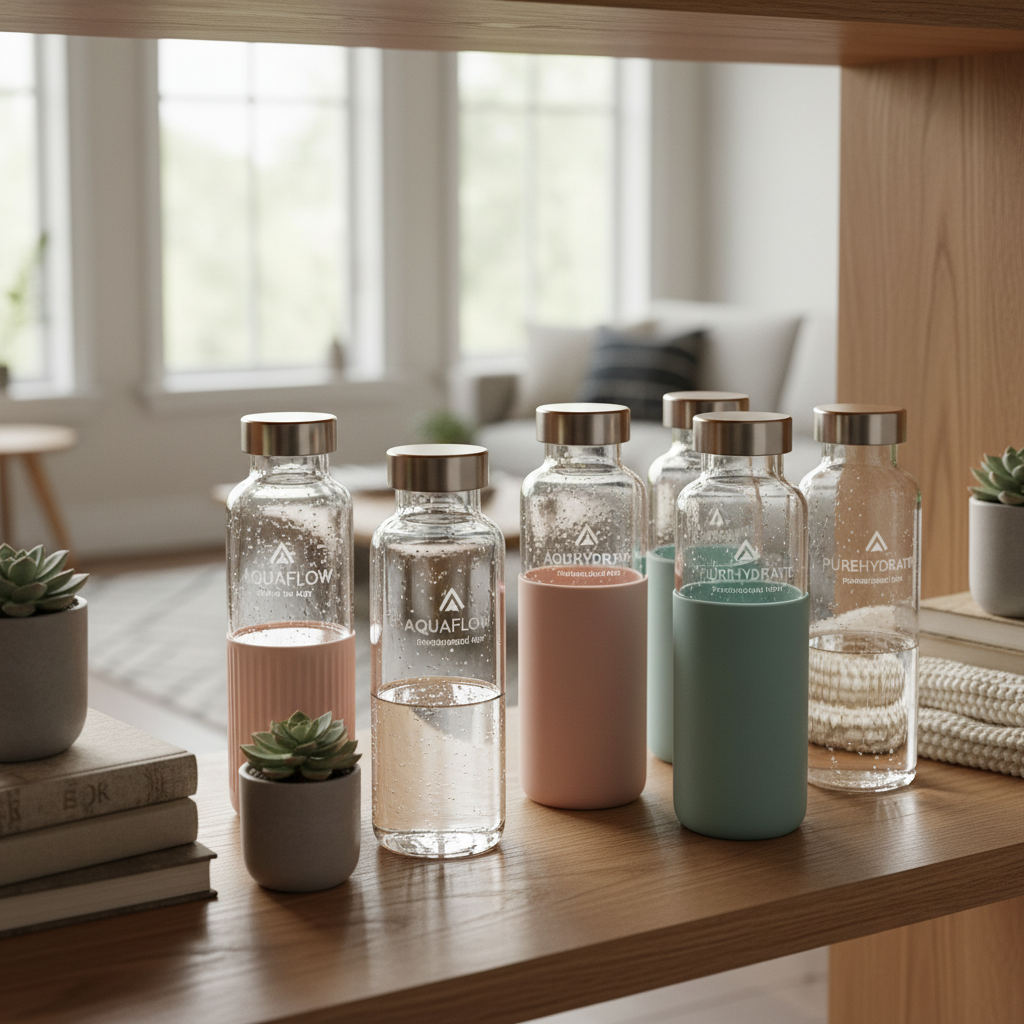
The increasing global awareness of plastic pollution and its detrimental effects on the environment has driven a significant shift towards sustainable alternatives. Among these, custom glass water bottles are gaining immense popularity, representing a responsible choice for both individual consumers and businesses. This growing demand is fueled by the inherent benefits of glass – its purity, reusability, and recyclability – and a desire to reduce reliance on single-use plastics.
The market for reusable water bottles is expanding rapidly, with a notable segment dedicated to personalized and branded options. Custom glass water bottles offer a unique opportunity for companies to promote their brand identity while simultaneously championing environmental responsibility. This blend of marketing and sustainability appeals to an increasingly conscious consumer base. The demand for aesthetically pleasing and functional hydration solutions is a key driver of this growth.
Understanding the nuances of custom glass water bottles—from material composition and manufacturing processes to design considerations and marketing strategies—is crucial for businesses looking to capitalize on this burgeoning trend. This exploration will delve into the various facets of this market, highlighting its potential and addressing the challenges inherent in its production and distribution.
The Global Rise of Custom Glass Water Bottles
The global market for reusable water bottles is estimated to reach USD 8.1 billion by 2027, according to a report by Grand View Research, with a significant portion attributed to glass bottles. This growth is primarily driven by increasing consumer awareness regarding the harmful effects of single-use plastics, coupled with stringent government regulations aimed at reducing plastic waste. Custom glass water bottles specifically benefit from this trend, offering a premium, sustainable alternative.
The demand for personalized products is also a major contributing factor. Consumers increasingly seek items that reflect their individual style and values. Custom glass water bottles allow for unique branding opportunities, making them ideal promotional items, corporate gifts, and personal accessories. The ability to incorporate logos, artwork, and personalized messages enhances their appeal and perceived value.
Defining Custom Glass Water Bottles
Custom glass water bottles are reusable hydration containers crafted from glass and tailored to meet specific client requirements. This customization extends beyond simply adding a logo; it encompasses various aspects, including bottle shape, size, color, lid type, and surface finish. Unlike mass-produced bottles, custom options allow for complete control over the design and branding elements.
These bottles serve a dual purpose: they offer a sustainable alternative to plastic and provide a powerful marketing tool. They are often used by businesses to promote brand awareness, enhance customer loyalty, and demonstrate a commitment to environmental responsibility. The inherent qualities of glass – its inertness, recyclability, and aesthetic appeal – make it a superior material for beverage storage.
In the context of modern industry and humanitarian needs, custom glass water bottles offer a hygienic and safe solution for providing potable water. They are particularly valuable in situations where water quality is a concern, as glass does not leach chemicals or impart flavors to the liquid.
Key Factors Influencing Customization
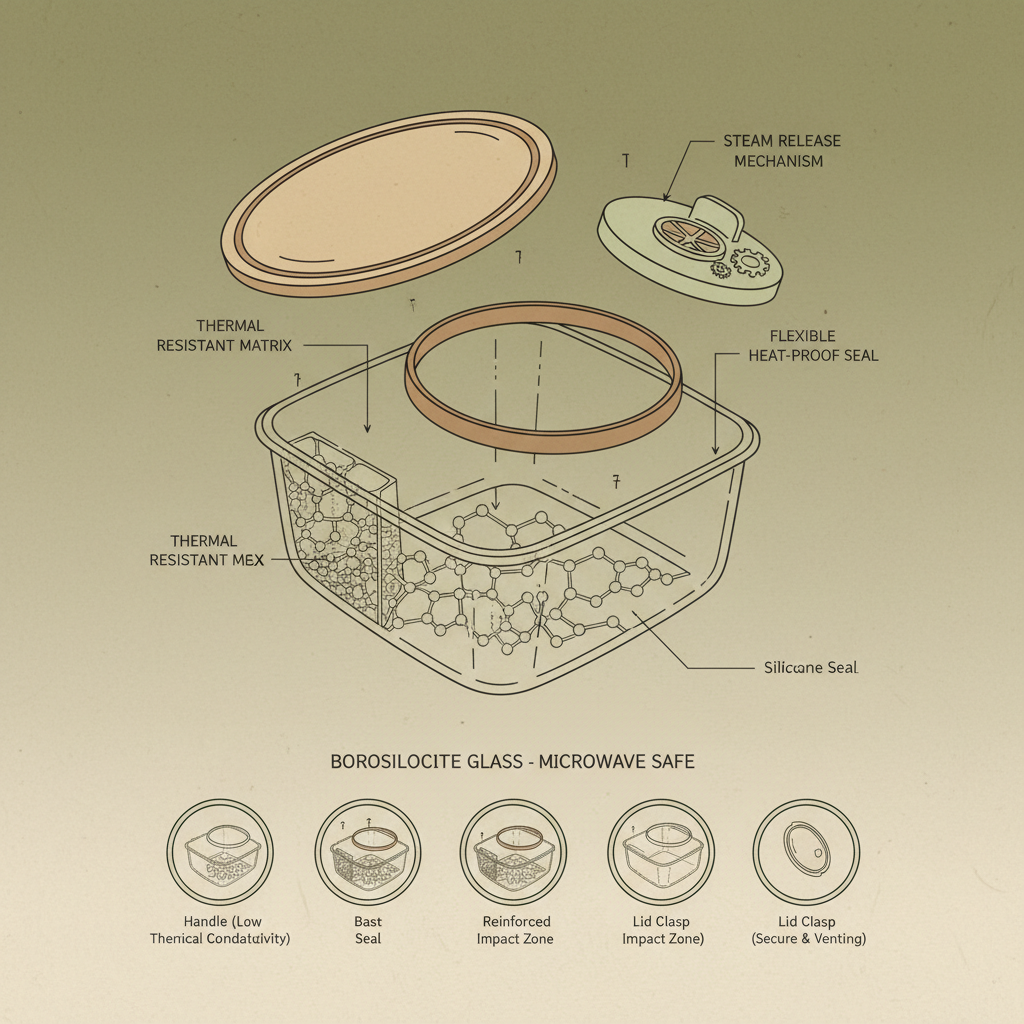
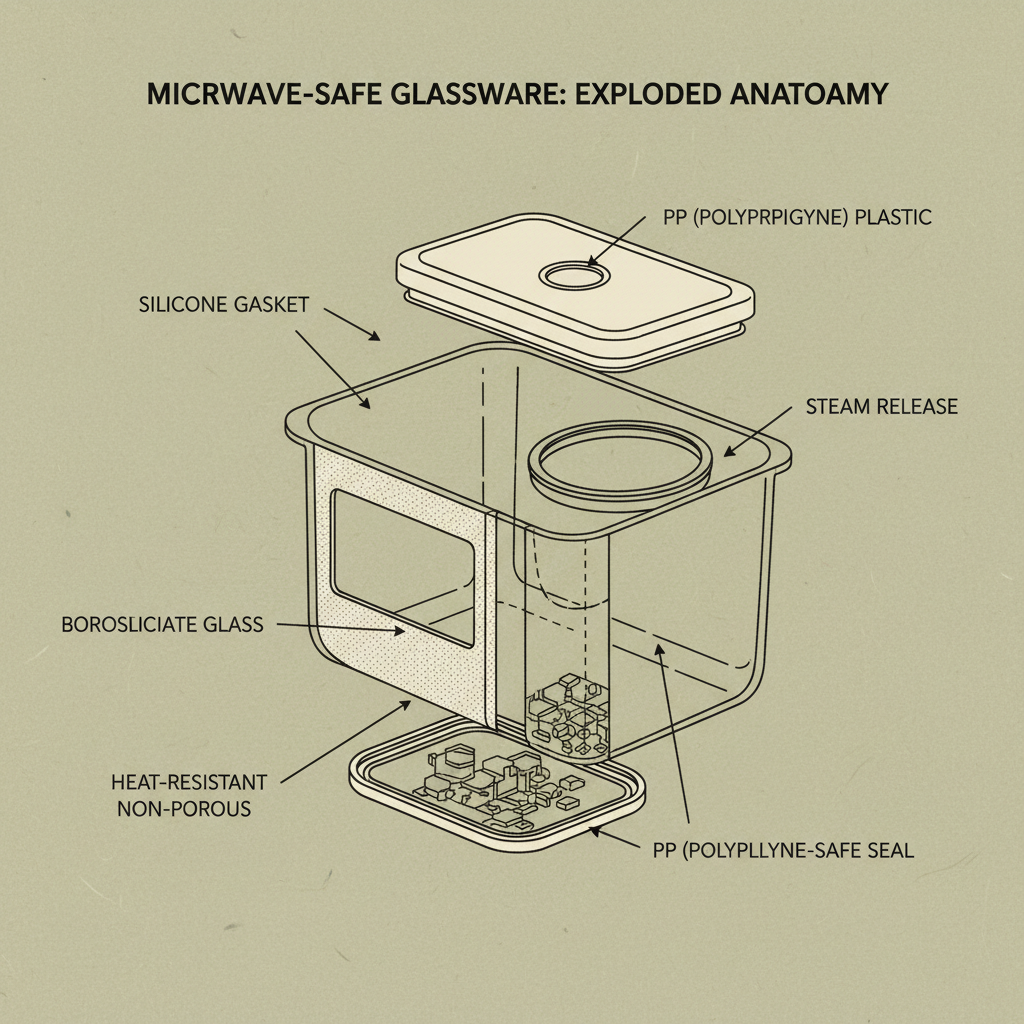
Durability is paramount. While glass is inherently strong, variations in glass thickness and the addition of protective sleeves or coatings can significantly enhance its resistance to breakage. Borosilicate glass, known for its thermal shock resistance, is often preferred for custom glass water bottles intended for both hot and cold beverages.
Design versatility is a key driver of customization. The ability to choose from a wide range of shapes, colors, and finishes allows for the creation of truly unique bottles that reflect a brand's identity. Advanced printing techniques, such as screen printing, laser etching, and sublimation, enable intricate logo placement and detailed artwork.
Material selection impacts both cost and performance. Different types of glass, such as soda-lime glass and borosilicate glass, offer varying levels of durability, clarity, and heat resistance. The choice of lid material—stainless steel, bamboo, or plastic—also influences the overall aesthetic and functionality of the bottle. Sourcing sustainable and ethically produced materials is increasingly important.
Applications Across Industries
The fitness and wellness industry utilizes custom glass water bottles as promotional items and retail products, appealing to health-conscious consumers. Gyms, yoga studios, and health food stores frequently offer branded bottles to encourage hydration and build brand loyalty.
The hospitality sector leverages these bottles for in-room amenities, providing guests with a sustainable and stylish alternative to plastic water bottles. Hotels and resorts can showcase their commitment to environmental responsibility while enhancing the guest experience.
Customization Approaches for Glass Water Bottles
Advantages and Long-Term Value Proposition
The sustainability factor is a significant advantage. Custom glass water bottles reduce reliance on single-use plastics, contributing to a circular economy and minimizing environmental impact. Glass is infinitely recyclable without loss of quality, making it a truly sustainable material.
Branding opportunities enhance long-term value. A well-designed, branded bottle serves as a constant reminder of the company’s commitment to quality and sustainability, fostering positive brand associations and customer loyalty. This continuous exposure generates a higher return on investment compared to traditional promotional items.
Future Trends and Innovations
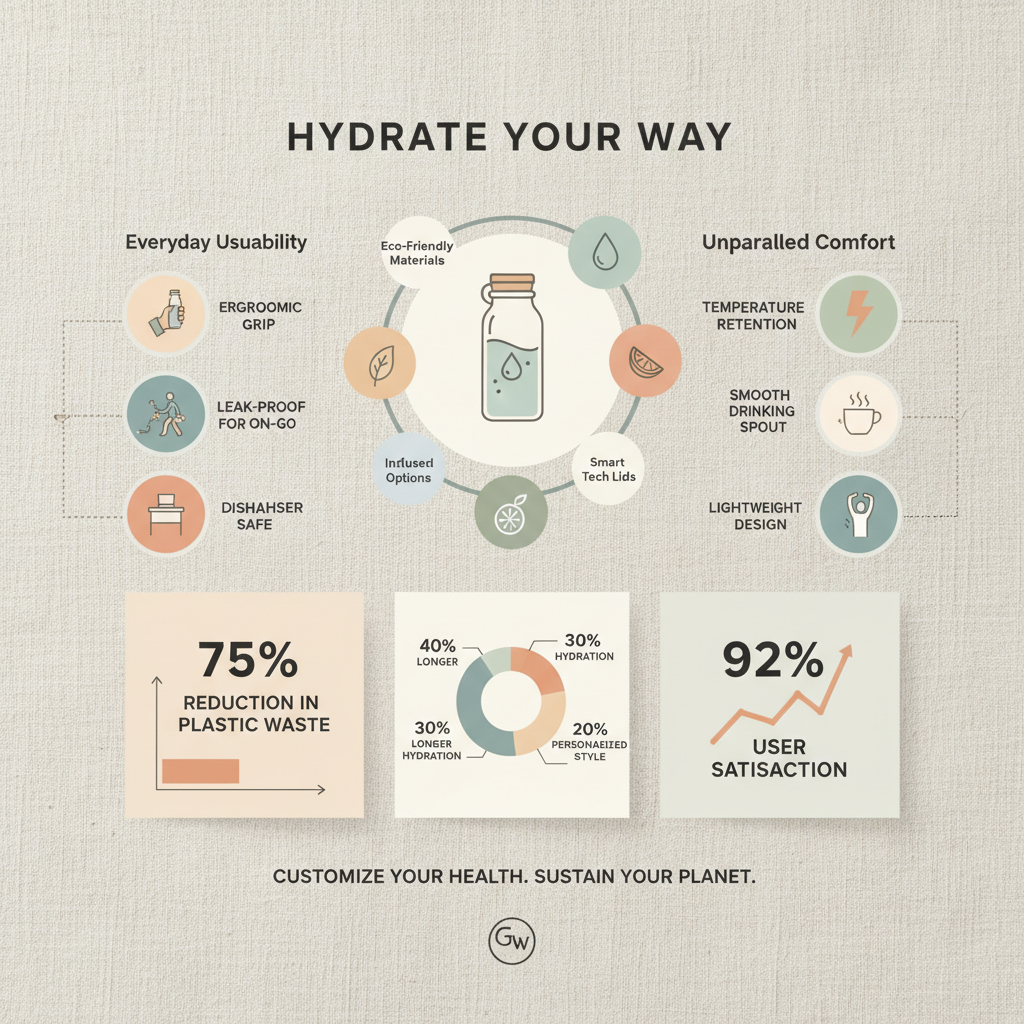
Innovative lid designs are emerging, focusing on leak-proof functionality, ease of cleaning, and aesthetic appeal. Smart lids incorporating features like hydration tracking and temperature sensors are also gaining traction.
The integration of bio-based coatings and materials aims to further reduce the environmental footprint of custom glass water bottles. These coatings provide added durability and scratch resistance while being derived from renewable resources.
Advancements in glass manufacturing techniques are leading to lighter and more durable bottles, enhancing their portability and usability. These innovations are driven by a commitment to continuous improvement and a desire to meet the evolving needs of consumers.
Challenges and Sustainable Solutions
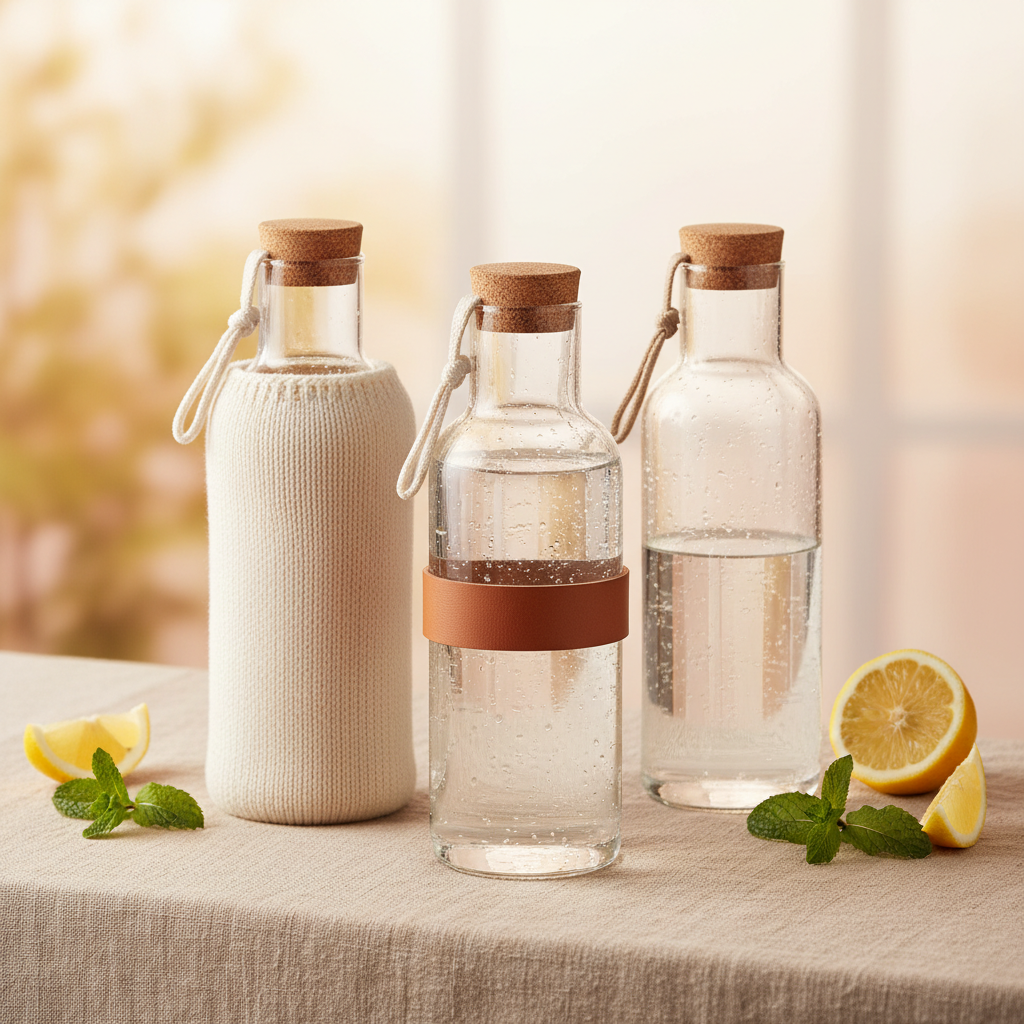
Fragility remains a primary concern. Despite advancements in glass technology, breakage can still occur during transportation or use. Protective sleeves, coatings, and careful packaging are crucial for minimizing this risk.
Transportation costs can be higher compared to plastic bottles due to the weight of glass. Optimizing packaging and utilizing efficient logistics networks are essential for mitigating these costs. Local sourcing of materials can also reduce transportation distances.
Ensuring ethical sourcing of materials and responsible manufacturing processes is paramount. Transparency and traceability throughout the supply chain are crucial for demonstrating a commitment to sustainability and social responsibility.
Summary of Solutions for Challenges in Custom Glass Water Bottle Production
| Challenge |
Solution Type |
Implementation Detail |
Impact Score (1-10) |
| Fragility during transit |
Protective Packaging |
Utilize custom-molded inserts and shock-absorbing materials. |
9 |
| High Transportation Costs |
Logistics Optimization |
Consolidate shipments and leverage efficient transportation routes. |
7 |
| Material Sourcing Ethics |
Supplier Audits |
Conduct regular audits to ensure compliance with ethical and environmental standards. |
8 |
| Weight of Glass |
Glass Composition |
Explore lightweight glass formulations without compromising durability. |
6 |
| Production Waste |
Closed-Loop Recycling |
Implement a system for recycling glass scraps back into the production process. |
7 |
| Maintaining Design Integrity |
Quality Control |
Rigorous inspection processes throughout the manufacturing stages. |
9 |
FAQS
The minimum order quantity typically varies depending on the complexity of the customization and the specific bottle style. Generally, we require a minimum of 300 bottles for customized designs. However, this can be discussed further based on your individual needs. Larger orders usually qualify for more competitive pricing. We strive to accommodate diverse order sizes while maintaining quality and efficiency in the custom glass water bottles production process.
The production timeline for custom glass water bottles depends on the order volume, complexity of the design, and current production schedule. Typically, it takes approximately 4-6 weeks from artwork approval to shipment. This timeframe includes bottle production, customization, quality control, and packaging. We provide detailed timelines for each order to ensure transparent communication.
We prefer artwork submitted in vector formats such as AI, EPS, or PDF. These formats ensure high-resolution printing and scalability without loss of quality. Raster images (JPEG, PNG) can be accepted, but they should be high-resolution (at least 300 DPI) to avoid pixelation. Please provide clear guidelines for color matching and font usage. Accurate artwork is crucial for producing high-quality custom glass water bottles.
Most of our custom glass water bottles are dishwasher safe, but we recommend hand washing to preserve the vibrancy of any printed designs. High temperatures and harsh detergents can potentially fade or damage the artwork over time. Always check the product specifications for specific washing instructions. The durability of the printing process is a key consideration for bottle longevity.
Yes, we offer samples to allow you to assess the quality of the bottle and the accuracy of the customization. Sample costs are typically applicable and will be deducted from the final order total if you proceed with a bulk purchase. We can provide a blank sample or a sample with your artwork applied, depending on your requirements. Evaluating a sample before committing to a large order ensures satisfaction with the custom glass water bottles.
We offer a variety of lid options, including stainless steel, bamboo, and plastic screw caps. Stainless steel lids provide a premium look and feel, while bamboo offers a sustainable and eco-friendly alternative. Plastic lids are a cost-effective option. We can also customize lids with logos or branding. The choice of lid depends on your budget, aesthetic preferences, and sustainability goals when considering custom glass water bottles.
Conclusion
In conclusion, custom glass water bottles represent a powerful convergence of sustainability, branding, and consumer demand. Their inherent environmental benefits, coupled with the versatility of customization, make them an increasingly attractive option for businesses and individuals alike. The ability to create unique, branded bottles that promote a commitment to sustainability provides a significant competitive advantage.
Looking ahead, innovations in glass technology, sustainable materials, and manufacturing processes will further enhance the appeal of custom glass water bottles. By embracing these advancements and prioritizing ethical sourcing and responsible production, businesses can position themselves as leaders in the sustainable hydration market. Visit our website today to explore the possibilities: www.yintoglassware.com
 TEL: +86 18903393212
 Email: tina@yintoglassware.com