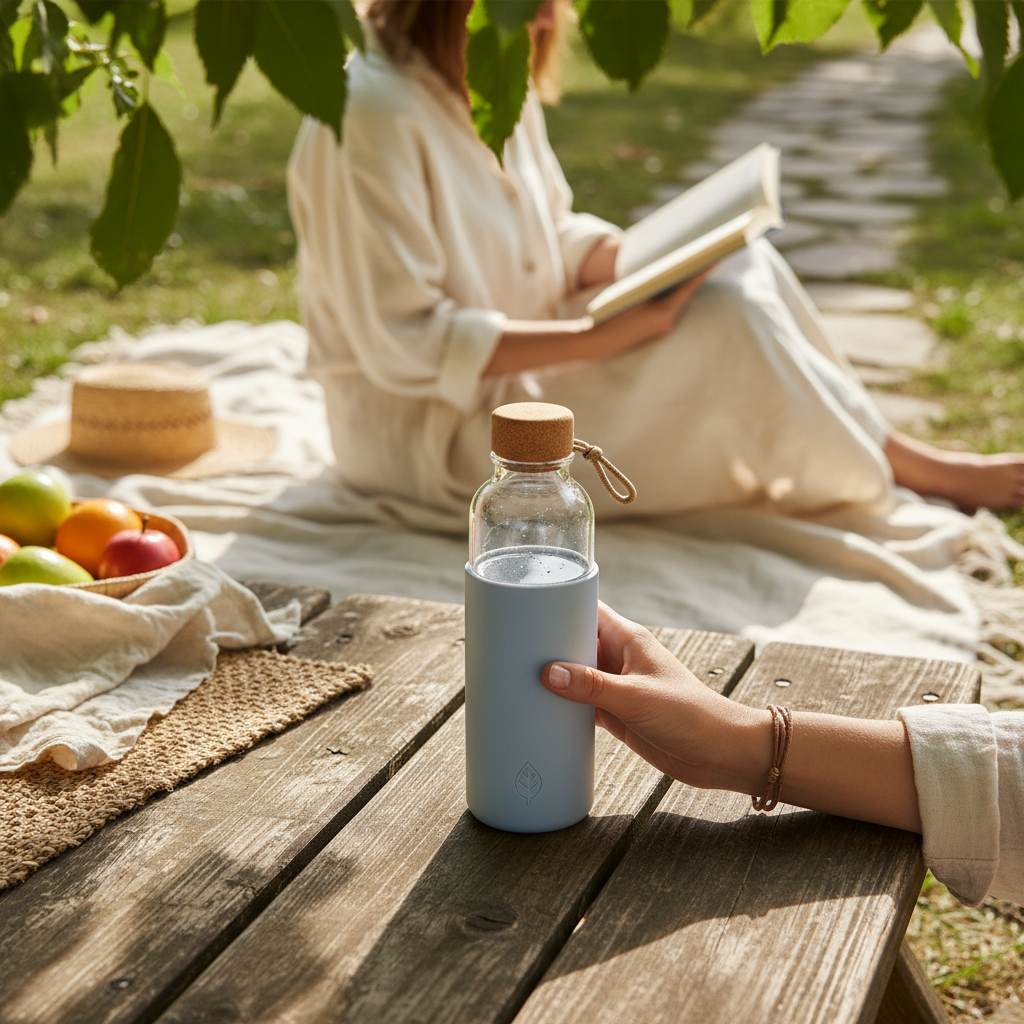
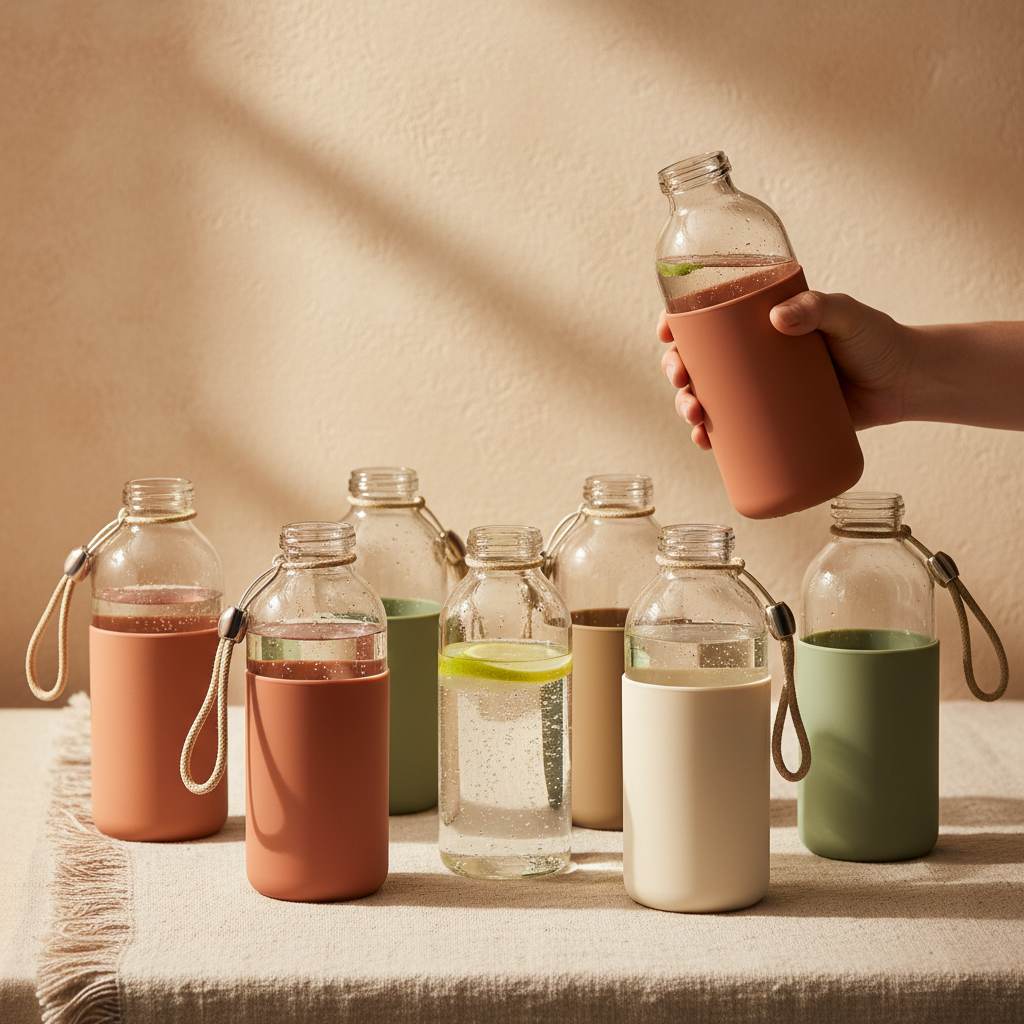
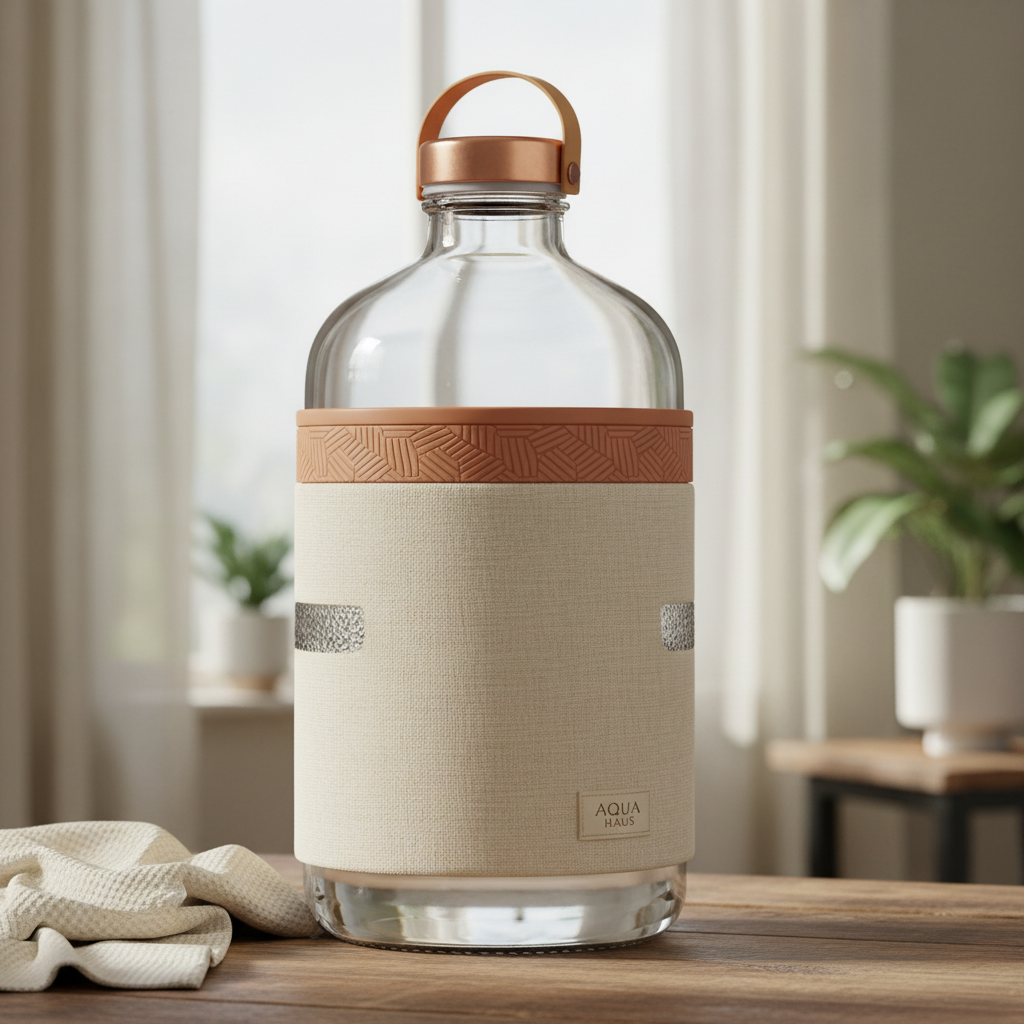
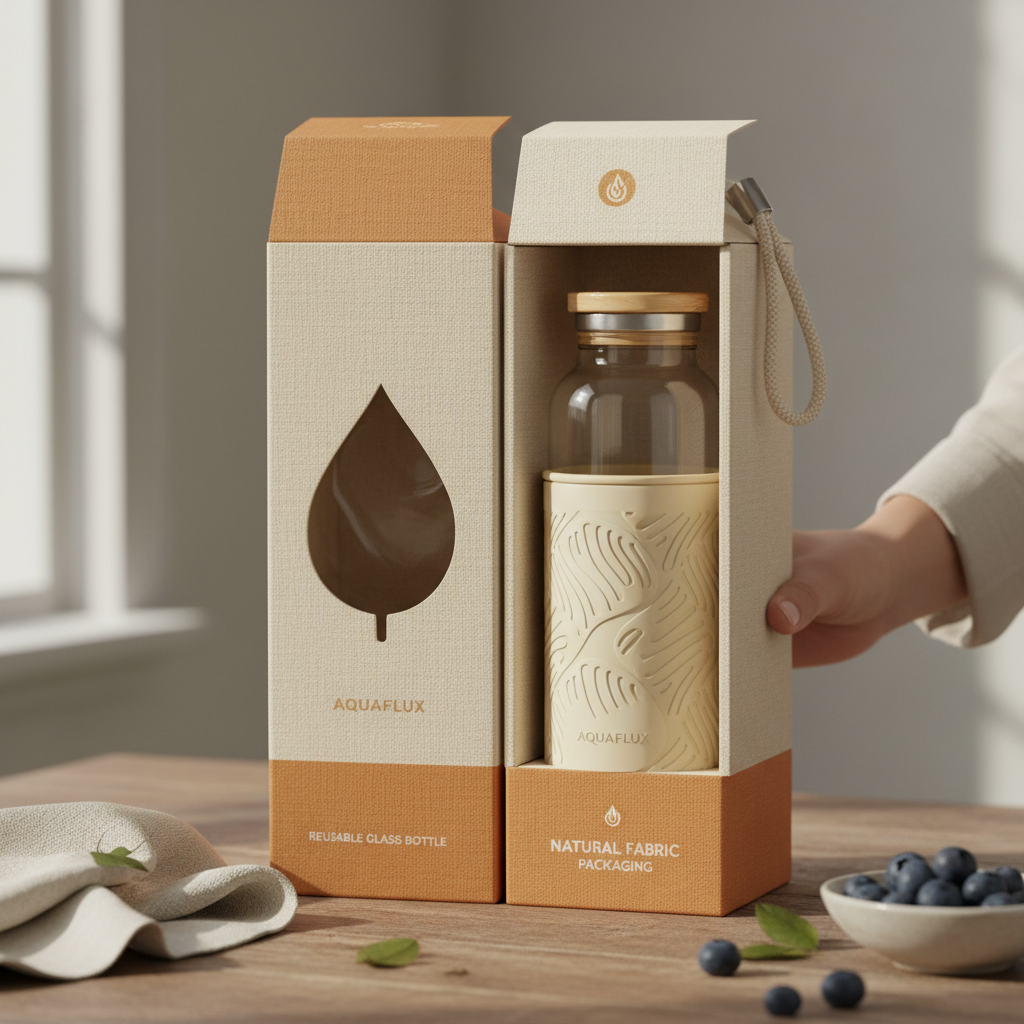
Water bottle glass type represents a critical aspect of modern beverage container design, encompassing a range of specialized glass compositions tailored for durability, safety, and aesthetic appeal. Understanding these diverse types is essential for manufacturers, consumers, and regulatory bodies alike. The selection of the correct glass type directly impacts a water bottle's resistance to breakage, thermal shock, and chemical leaching, influencing both product quality and public health.
Globally, the demand for safe and sustainable water bottles is escalating, driven by increasing awareness of plastic pollution and health concerns associated with plastic consumption. The United Nations Sustainable Development Goal 6 – Clean Water and Sanitation – further emphasizes the importance of access to safe drinking water, directly impacting the demand for reliable water storage solutions. Manufacturers are continually innovating with water bottle glass type to meet evolving consumer expectations and regulatory requirements, leading to advancements in glass strengthening techniques and material compositions.
This increasing demand necessitates a thorough understanding of the different types of glass used in water bottle production. The proper selection of water bottle glass type can significantly affect factors ranging from manufacturing cost and product weight to the overall longevity and safety of the bottle. Consequently, a comprehensive knowledge base is vital for making informed decisions throughout the entire supply chain.
The Significance of Water Bottle Glass Type
The selection of an appropriate water bottle glass type is not merely aesthetic; it’s fundamentally linked to the safety and usability of the product. Different glass compositions exhibit varying levels of resistance to impact, temperature fluctuations, and chemical interactions. A poorly chosen glass could lead to breakage, posing a risk of injury, or leaching of harmful substances into the water. water bottle glass type offers a vast selection of options.
Furthermore, the manufacturing process and the final product's environmental footprint are heavily influenced by the chosen glass. Certain glass types require less energy to produce and are more readily recyclable, aligning with growing sustainability concerns. Therefore, understanding the intricacies of water bottle glass type is critical for responsible manufacturing and consumption.
Global Context and Industry Relevance
The global bottled water market is a multi-billion dollar industry, with an increasing demand for reusable and sustainable options. This trend is fueled by growing consumer awareness of the detrimental effects of single-use plastics on the environment and human health. According to a report by the World Bank, global plastic waste is projected to reach 3.3 billion tonnes by 2050 if current trends continue. This has prompted a surge in demand for alternatives like glass water bottles.
The quality and safety standards for food and beverage containers are governed by international organizations such as the International Organization for Standardization (ISO). These standards dictate requirements for material composition, manufacturing processes, and testing procedures, influencing the types of glass used in water bottles. Manufacturers must adhere to these regulations to ensure their products meet safety standards and are acceptable in global markets.
The rise of the health and wellness industry has also contributed to the demand for high-quality water bottles. Consumers are increasingly seeking products that are not only functional but also aesthetically pleasing and environmentally responsible. This drives innovation in water bottle glass type, focusing on designs that combine durability, safety, and style.
Defining Water Bottle Glass Type
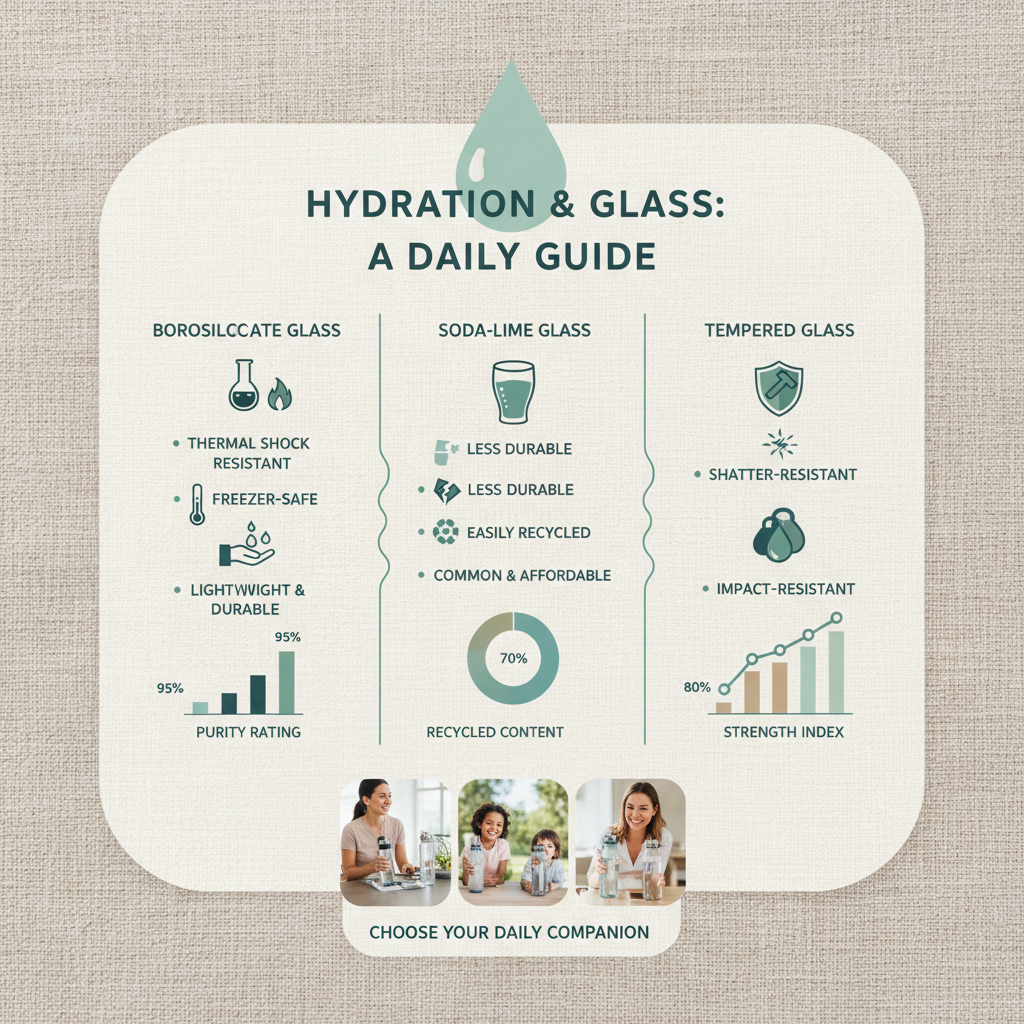
Water bottle glass type refers to the specific composition and characteristics of the glass used to manufacture water bottles. It encompasses a range of materials, including soda-lime glass, borosilicate glass, and specialized tempered glass. Each type possesses unique properties that influence its suitability for different applications. For example, borosilicate glass is known for its exceptional thermal shock resistance, making it ideal for hot and cold beverages.
The selection of a particular water bottle glass type is a balancing act between various factors, including cost, durability, weight, and aesthetic appeal. Manufacturers consider these factors in conjunction with regulatory requirements and consumer preferences to determine the optimal glass composition for their products. The increasing demand for eco-friendly options is driving research into alternative glass formulations using recycled materials.
Modern water bottle glass type isn't simply about the raw materials. It also encompasses the manufacturing processes used to enhance the glass’s properties. Techniques like tempering and annealing increase the strength and durability of the glass, making it more resistant to breakage. These advancements are critical for ensuring the safety and longevity of water bottles.
Key Properties of Water Bottle Glass
Durability is a paramount concern when selecting water bottle glass type. Different glass compositions exhibit varying resistance to impact, scratching, and shattering. Tempered glass, for instance, is significantly stronger than standard soda-lime glass.
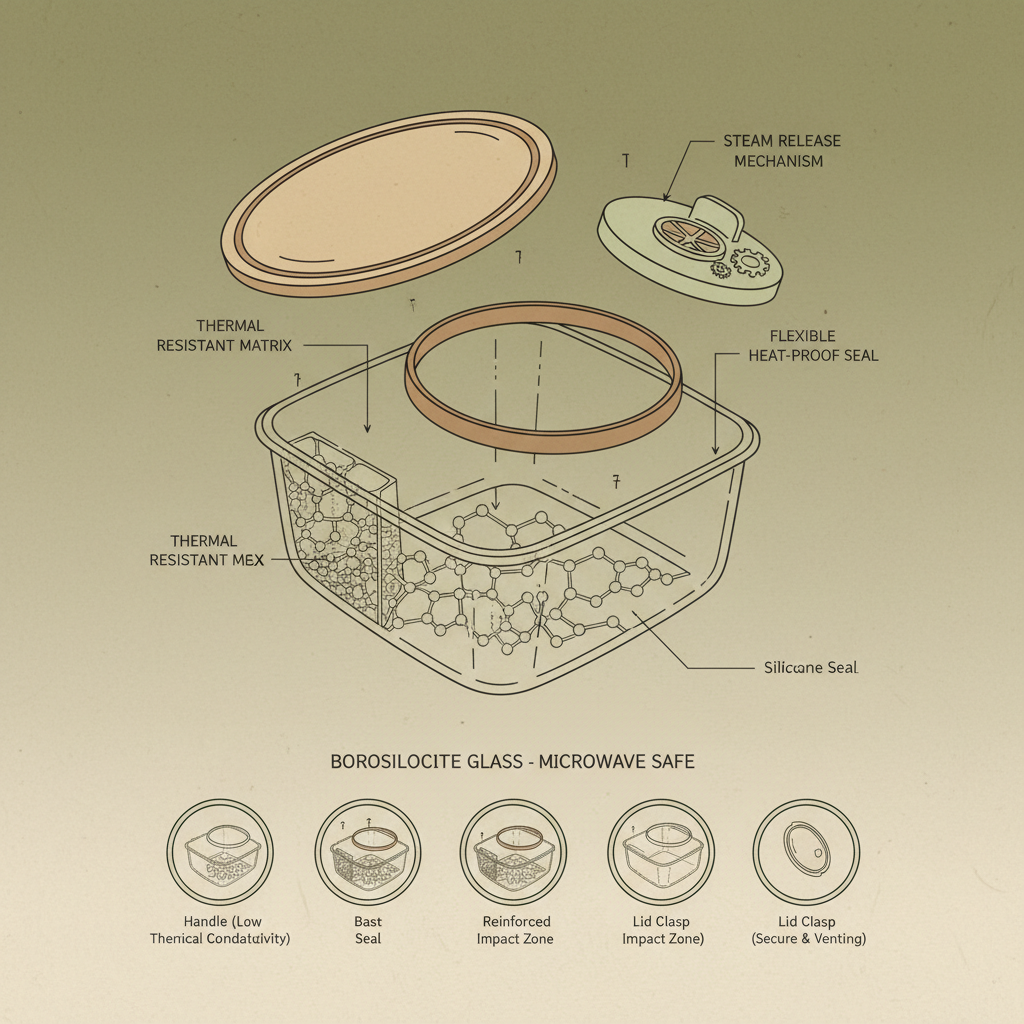
Thermal shock resistance refers to the glass's ability to withstand sudden temperature changes without cracking. Borosilicate glass excels in this area, making it suitable for both hot and cold beverages. This is especially crucial for bottles used for tea, coffee, or infused water.
Comparative Analysis of Water Bottle Glass Types
Applications Across Industries
The beverage industry is the primary consumer of water bottle glass type. Glass bottles are widely used for bottled water, juices, and other beverages, prized for their ability to preserve flavor and prevent chemical leaching. The cosmetic industry also utilizes glass containers for perfumes and lotions due to its inert nature and aesthetic appeal.
In post-disaster relief operations, durable glass water bottles provide a safe and reliable source of hydration. Their reusability minimizes waste and reduces the reliance on single-use plastic bottles in emergency situations. In remote industrial zones, glass bottles are frequently used for storing and transporting water due to their resistance to harsh conditions and chemical contamination.
Benefits and Long-Term Value
Choosing glass over plastic offers significant cost savings over the long term. While the initial investment may be higher, glass bottles are reusable and recyclable, reducing the need for frequent replacements. This contributes to a lower lifecycle cost and minimizes environmental impact.
From a sustainability perspective, glass is a highly recyclable material. It can be recycled endlessly without losing quality, reducing the demand for virgin materials and conserving natural resources. This aligns with growing consumer demand for eco-friendly products and supports circular economy principles.
Glass bottles promote public health and safety by eliminating the risk of harmful chemicals leaching into the water. This is particularly important for consumers concerned about the potential health effects of plasticizers and other additives found in plastic bottles. The inherent inertness of glass ensures the purity and safety of the stored liquid.
Future Trends and Innovations
Ongoing research focuses on developing lighter and more durable glass compositions using advanced materials and manufacturing techniques. The integration of nanotechnology could enhance the strength and scratch resistance of glass bottles, further extending their lifespan.
The use of recycled glass cullet in the manufacturing process is gaining traction, reducing reliance on virgin materials and minimizing landfill waste. Advancements in glass coloring and coating technologies are also expanding the aesthetic possibilities for water bottle designs.
Smart glass technologies, incorporating sensors and interactive features, could revolutionize the water bottle experience. These features could include temperature monitoring, hydration tracking, and even water purification capabilities, adding value and convenience for consumers.
Table Summarizing Key Properties of Different Water Bottle Glass Types
| Glass Type |
Durability (1-10) |
Thermal Shock Resistance (1-10) |
Recyclability (1-10) |
| Soda-Lime Glass |
6 |
4 |
9 |
| Borosilicate Glass |
7 |
10 |
8 |
| Tempered Glass |
9 |
7 |
9 |
| Colored Glass |
6 |
5 |
8 |
| Recycled Glass |
7 |
6 |
10 |
| Lead Crystal Glass |
5 |
4 |
7 |
FAQS
Soda-lime glass is more affordable and commonly used, but has lower thermal shock resistance. Borosilicate glass is significantly more resistant to temperature changes, making it ideal for hot and cold beverages. It's also more durable, but typically more expensive. This difference in water bottle glass type impacts usability and safety.
Yes, tempered glass is a very safe option. It’s significantly stronger than standard glass and designed to shatter into small, relatively harmless pieces if broken, reducing the risk of severe injury. This process greatly enhances the safety profile of the water bottle glass type.
Adding colorants to glass can slightly affect its strength and thermal shock resistance. Darker colors generally absorb more heat, potentially increasing the risk of thermal stress. However, modern manufacturing processes minimize these effects, and colored glass can still be a perfectly viable water bottle glass type.
Absolutely. Using recycled glass (cullet) significantly reduces the energy required for production and minimizes landfill waste. It also lowers the demand for virgin materials, making it a highly sustainable water bottle glass type. The quality of recycled glass is often comparable to virgin glass.
Often, the manufacturer will specify the glass type on the bottle or its packaging. Borosilicate glass is often labeled as such. If not, you can often infer based on the bottle's resistance to temperature changes – if it can handle boiling water without cracking, it's likely borosilicate.
The production of all glass requires energy, but recycled glass significantly reduces energy consumption. Borosilicate glass generally requires higher temperatures to produce than soda-lime glass. Choosing a water bottle made from recycled glass is the most environmentally responsible option.
Conclusion
Understanding water bottle glass type is crucial for ensuring product safety, sustainability, and longevity. From the durability of tempered glass to the thermal shock resistance of borosilicate, each type offers unique advantages. As consumer awareness of environmental and health concerns grows, the demand for responsibly produced and high-quality glass water bottles will continue to increase.
Looking ahead, ongoing innovations in glass technology and manufacturing processes promise even more sustainable and functional solutions. By embracing these advancements and prioritizing responsible material selection, we can contribute to a healthier planet and a more sustainable future. Visit our website at www.yintoglassware.com to explore our wide range of water bottle glass type options.
 TEL: +86 18903393212
 Email: tina@yintoglassware.com