Tiny glass bottles, seemingly simple vessels, represent a surprisingly versatile and globally relevant solution across numerous industries and applications. From pharmaceutical packaging and cosmetic containers to specialized storage for research and artisanal products, these miniature glass receptacles play a crucial role in maintaining product integrity, ensuring precise dosing, and enhancing brand appeal. Their inherent properties – inertness, impermeability, and recyclability – contribute to their growing importance in a world increasingly focused on sustainability and safety.
The demand for tiny glass bottles is driven by diverse factors, including the increasing sophistication of consumer preferences, the growth of personalized healthcare, and the expanding market for premium and artisanal goods. Globally, the glass packaging market is projected to continue expanding, with a significant portion attributed to specialized containers like these. Challenges exist, notably concerning manufacturing costs and fragility, but ongoing innovation in glass compositions and manufacturing techniques is actively addressing these concerns.
Understanding the nuances of tiny glass bottles – their production methods, material science, and application-specific design considerations – is critical for businesses and organizations seeking reliable and sustainable packaging solutions. Their compact size, coupled with the protective qualities of glass, makes them ideal for sensitive and valuable contents, solidifying their place in a broad range of commercial and scientific endeavors.
Introduction to tiny glass bottles
The world of packaging often overlooks the significance of miniature components, yet tiny glass bottles are proving to be indispensable across a surprising breadth of industries. These small-volume containers, typically ranging from a few milliliters to under 30ml, are characterized by their precision, purity, and protective qualities. tiny glass bottles are increasingly vital in sectors prioritizing product integrity and aesthetic presentation.
Their application extends beyond simple storage; they play a crucial role in delivering precisely measured doses of liquids, safeguarding volatile compounds, and enhancing the perceived value of products. The inherent properties of glass—its inertness, impermeability, and recyclability—make tiny glass bottles a sustainable and safe choice for a diverse range of contents, appealing to both businesses and environmentally conscious consumers.
Defining tiny glass bottles and their Purpose
Tiny glass bottles are defined as glass containers with a capacity generally less than 30ml, though this can vary depending on industry standards. They are manufactured using techniques like tube drawing and press forming, allowing for the creation of precise shapes and sizes. These bottles aren’t simply scaled-down versions of larger containers; their design requires specialized expertise to ensure structural integrity and functionality at a diminutive scale.
Their primary purpose is to safely and securely contain small volumes of liquids, powders, or semi-solid materials. This functionality is especially important in industries like pharmaceuticals, where accurate dosing is critical, and in the fragrance and cosmetic industries, where preservation of delicate scents and formulations is paramount.
In the context of modern industrial needs, tiny glass bottles address the growing demand for single-use, tamper-evident packaging. They offer a high degree of protection against contamination, preserving the purity and efficacy of their contents – a critical factor in the rapidly evolving landscape of scientific research and specialized product development.
Core Properties of tiny glass bottles
The defining characteristics of tiny glass bottles center around the unique properties of glass itself. First and foremost is its inertness, meaning it does not react with the contents it holds, preserving the chemical integrity of the product. Secondly, glass provides an excellent barrier against oxygen and moisture, vital for maintaining product stability and shelf life.
Another crucial property is its impermeability. Unlike many plastics, glass prevents the permeation of aromas and flavors, ensuring that the contained substance remains uncontaminated and retains its original characteristics. This is exceptionally important in the fragrance and essential oil industries. Furthermore, glass is readily recyclable, contributing to a more sustainable lifecycle compared to many other packaging materials.
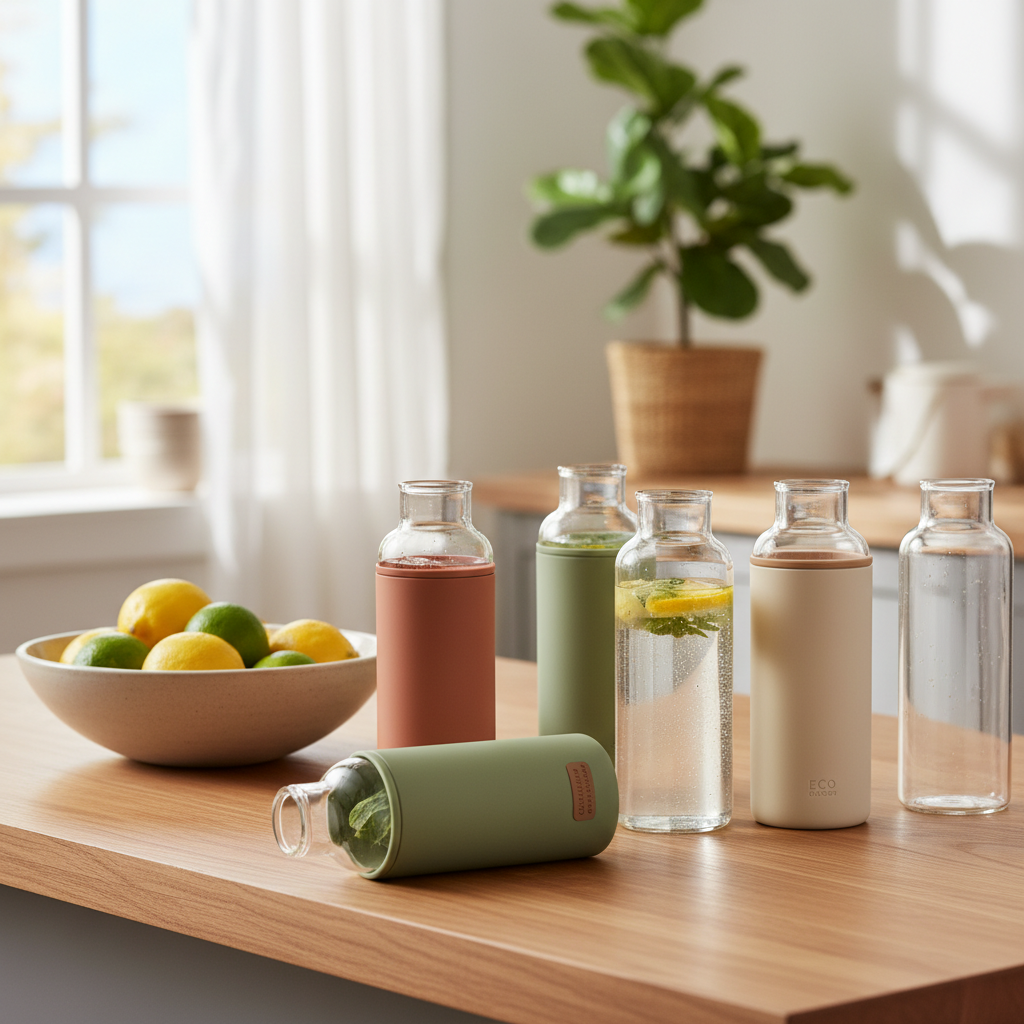
Finally, glass offers a premium aesthetic appeal. Its clarity showcases the contents, and its inherent weight and feel convey a sense of quality and value, enhancing brand perception. The ability to customize the shape, color, and surface finish of tiny glass bottles further contributes to their versatility as a branding tool.
Key Factors Influencing tiny glass bottle Quality
The quality of tiny glass bottles is influenced by several key factors, beginning with the raw materials used in their production. The purity and composition of the glass batch directly impact its clarity, strength, and resistance to chemical attack. Consistent adherence to strict quality control measures during the manufacturing process is also paramount.
Additionally, the precision of the bottle's dimensions is crucial, especially in applications requiring accurate dosing. This necessitates the use of advanced forming techniques and rigorous inspection procedures. Furthermore, surface treatments, such as coating with specialized finishes, can enhance durability and improve functionality.
Quality Assessment Metrics for tiny glass bottles
Global Applications of tiny glass bottles
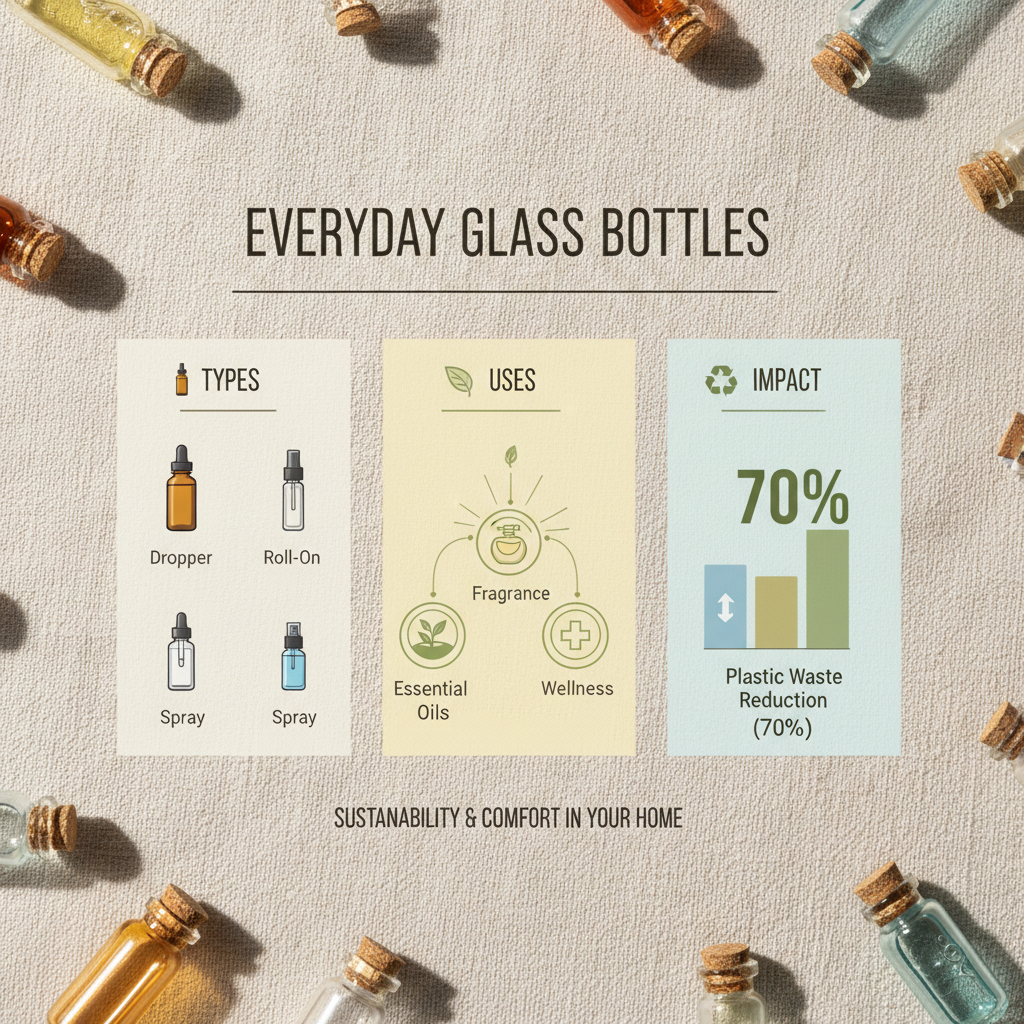
The versatility of tiny glass bottles results in their widespread use across numerous global industries. In the pharmaceutical sector, they are vital for containing single-dose medications, vaccines, and diagnostic reagents, ensuring precise delivery and maintaining sterility. In the cosmetics and fragrance industries, their aesthetic appeal and ability to preserve delicate scents make them ideal for perfumes, essential oils, and serums.
Beyond these, they are increasingly used in food and beverage sampling, artisanal food products (such as hot sauces and infused oils), and in the scientific community for storing and transporting laboratory samples. In post-disaster relief operations, small glass vials can be crucial for delivering essential medical supplies to affected populations.
Advantages and Long-Term Value of tiny glass bottles
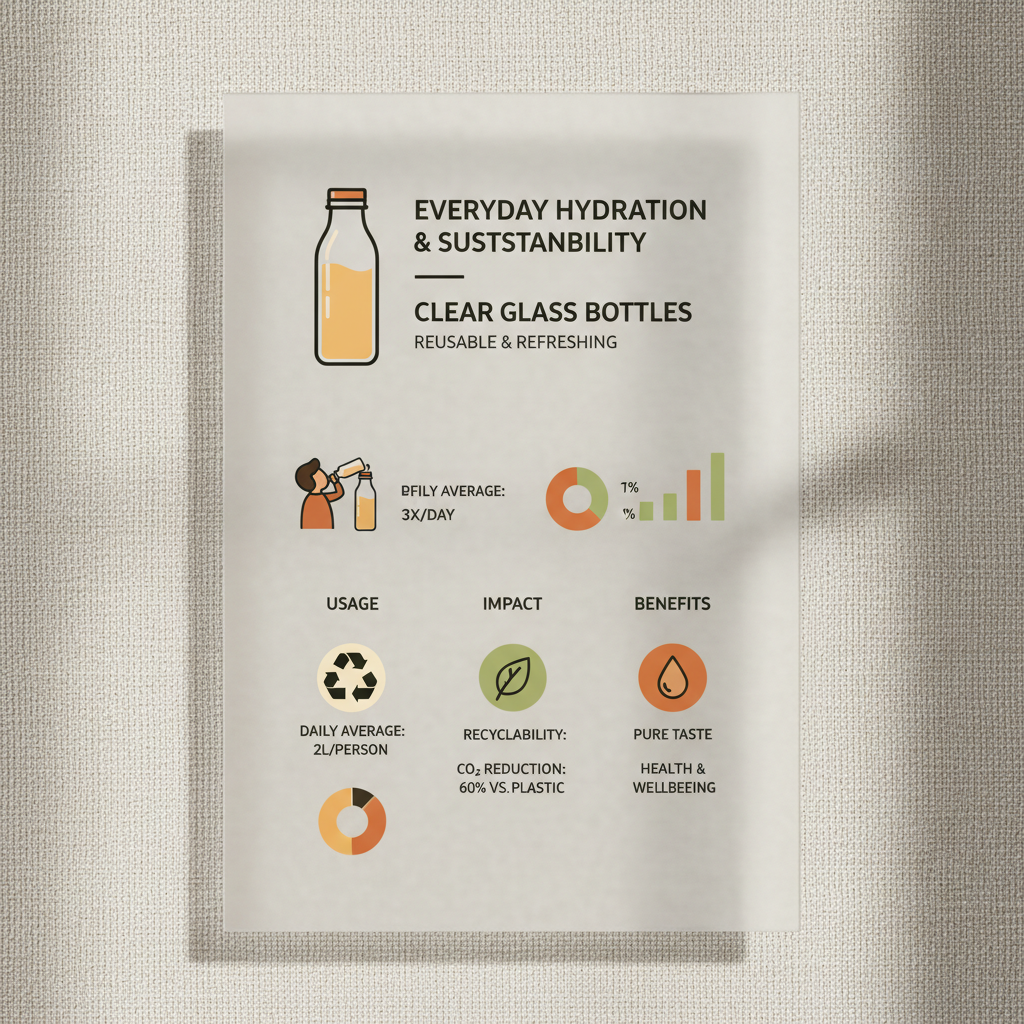
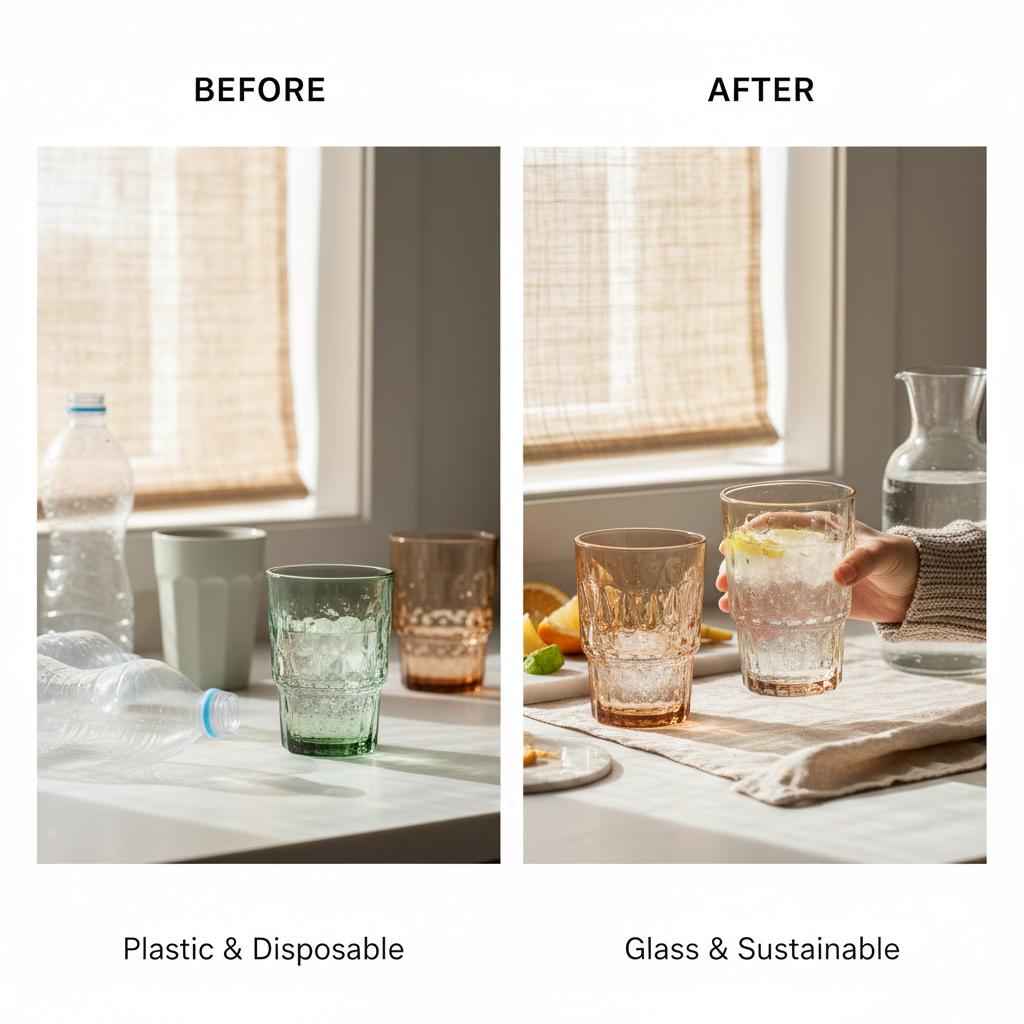
The advantages of using tiny glass bottles extend beyond their practical functionality. Cost-effectively, while initial production costs might be higher than some plastic alternatives, the durability and reusability of glass contribute to long-term value. From a sustainability perspective, glass is 100% recyclable without loss of quality, reducing reliance on virgin materials and minimizing environmental impact.
The social impact is also significant. The inherent safety and inertness of glass protect product integrity, enhancing consumer trust and well-being. The aesthetic appeal of glass packaging often elevates brand perception, contributing to customer loyalty. Finally, the long-term reliability of glass ensures product preservation and reduces the risk of spoilage or contamination.
Future Trends and Innovations in tiny glass bottles
The future of tiny glass bottles is poised for innovation, driven by advancements in material science and manufacturing technologies. Emerging trends include the development of thinner, lighter-weight glass compositions without compromising strength, reducing both material usage and transportation costs. Smart glass technologies, incorporating embedded sensors for tracking and authentication, are also being explored.
Furthermore, the integration of digital printing techniques allows for highly customized designs and intricate labeling, enhancing brand differentiation. Sustainability remains a central focus, with increased emphasis on closed-loop recycling systems and the use of bio-based coatings to improve performance and reduce environmental impact. Automation in manufacturing processes will also streamline production and improve consistency.
These advancements will not only enhance the functionality and aesthetic appeal of tiny glass bottles but also contribute to a more sustainable and efficient packaging ecosystem, aligning with the growing global demand for environmentally responsible solutions.
FAQS
Tiny glass bottles offer superior protection against degradation of essential oils compared to plastic. Glass is inert, preventing chemical interactions that can alter the oil’s aroma and therapeutic properties. Plastic can leach chemicals into the oil and is permeable to oxygen, reducing shelf life. Glass is also easily sanitized and 100% recyclable, contributing to a more sustainable solution.
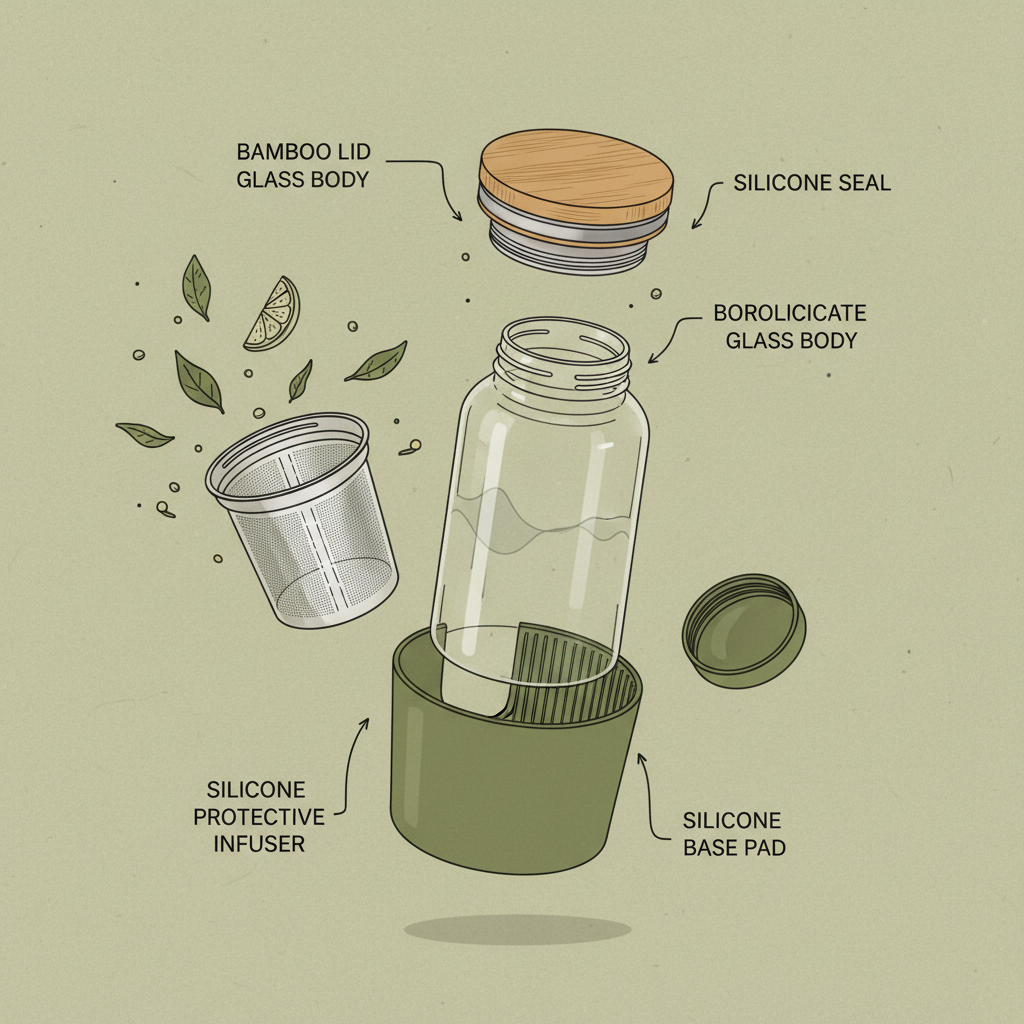
For pharmaceutical applications, ensure the bottles meet stringent quality standards like USP or EP compliance. Look for certifications indicating the glass is Type I (borosilicate glass), which offers the highest level of chemical resistance and is ideal for storing sensitive medications. Verify the bottles are manufactured in a GMP-certified facility and undergo rigorous testing for leachables and extractables.
Lead times for custom designs vary depending on the complexity of the design and the volume of the order. Generally, expect a lead time of 6-12 weeks for new mold creation and sample approval. Production lead times typically range from 4-8 weeks after sample confirmation. It's crucial to discuss your specific requirements with the manufacturer to obtain an accurate timeline.
Glass is inherently more fragile than plastic, but careful packaging can significantly reduce breakage. Utilize custom-fit inserts, bubble wrap, and sturdy corrugated boxes. Consider double-boxing for added protection. Clearly label packages as “Fragile” and include handling instructions. Working with a shipping partner experienced in handling glass products is also recommended.
Cost factors include the type of glass used (borosilicate is more expensive), the complexity of the bottle’s design, the order volume, and any custom decorations or coatings. Mold costs are a significant upfront expense for custom designs. Shipping costs also contribute to the overall price. Obtaining quotes from multiple suppliers is recommended to compare pricing.
Common surface treatments include frosting, coating, and silk-screening. Frosting provides a tactile, non-slip surface and diffuses light. Coatings can enhance chemical resistance or add a decorative effect. Silk-screening allows for custom logos and designs to be applied directly to the bottle. These treatments can improve functionality, aesthetics, and brand recognition.
Conclusion
In conclusion, tiny glass bottles represent more than just diminutive packaging; they embody a commitment to quality, sustainability, and product integrity. Their inherent properties – inertness, impermeability, and recyclability – coupled with their versatility across diverse industries, position them as a vital component of modern supply chains. Understanding their nuanced characteristics and the factors influencing their quality is crucial for businesses seeking to enhance their brand value and meet the evolving demands of consumers.
Looking ahead, continued innovation in glass technology and manufacturing will further solidify the position of tiny glass bottles as a preferred packaging solution. By embracing sustainable practices, exploring new materials, and leveraging advancements in automation, we can unlock the full potential of these small but mighty vessels and contribute to a more responsible and efficient future for the packaging industry.
 TEL: +86 18903393212
 Email: tina@yintoglassware.com