The demand for safe and sustainable hydration solutions is increasing globally, and the glass drinking water bottle stands as a premium choice for consumers and businesses alike. These bottles offer a hygienic, reusable, and aesthetically pleasing alternative to plastic, addressing growing concerns about environmental impact and health risks associated with plastic leaching. The modern consumer actively seeks products that align with their values, and glass embodies purity, quality, and a commitment to well-being.
Within the glass products industry, particularly in manufacturing non-metallic mineral products—specifically glass products for daily use—the glass drinking water bottle represents a significant segment driven by health consciousness and environmental awareness. The growth is fueled by increasing disposable incomes, urbanization, and a heightened focus on personal wellness. Manufacturers are constantly innovating designs, materials (like borosilicate glass for enhanced durability), and production techniques to meet evolving consumer preferences.
The rise of fitness and outdoor activities, combined with a broader trend towards reducing single-use plastics, is creating unprecedented demand for durable and stylish reusable bottles. The glass drinking water bottle is uniquely positioned to capitalize on these trends, offering a sophisticated and eco-friendly option for staying hydrated on the go.
The Importance of Glass Drinking Water Bottles
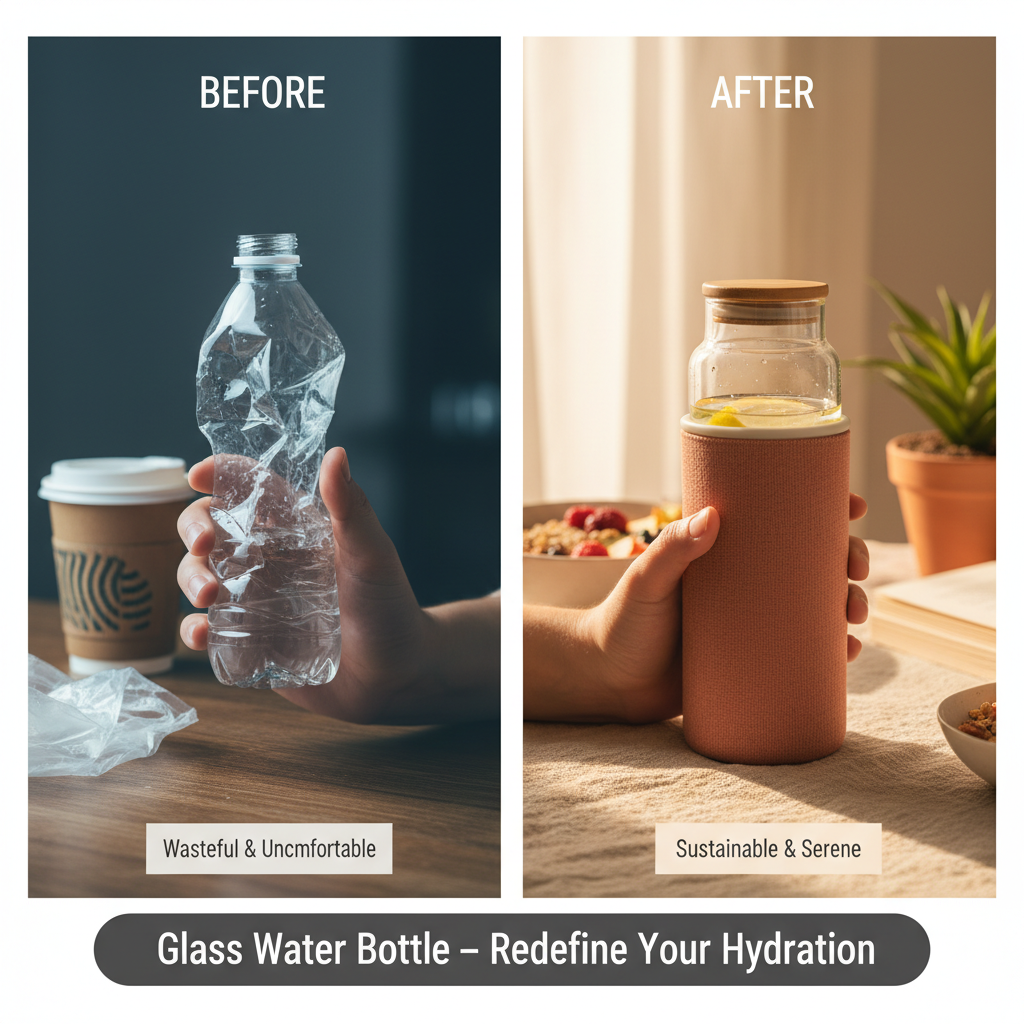
The rising awareness of plastic pollution and its detrimental effects on ecosystems and human health has spurred a significant shift towards reusable alternatives. Glass drinking water bottles offer a compelling solution, providing a safe, non-toxic, and environmentally responsible option for daily hydration. This isn’t simply a trend; it’s a fundamental change in consumer behavior.
From a manufacturing perspective, the glass industry is responding by focusing on sustainable production methods, utilizing recycled glass content, and optimizing energy efficiency. This commitment to sustainability strengthens the appeal of glass drinking water bottles as a product aligned with conscious consumerism.
Global Context and Rising Demand
The global bottled water market is a multi-billion dollar industry, and while plastic bottles currently dominate, the segment for reusable glass options is experiencing rapid growth. According to recent reports, the reusable water bottle market is projected to reach significant valuation in the coming years, driven by increasing environmental regulations and consumer preference for sustainable products. This trend is particularly prominent in developed countries, but is gaining traction in emerging markets as well.
The demand for glass drinking water bottles is intricately linked to broader trends in health and wellness, environmental consciousness, and lifestyle choices. The World Health Organization's focus on reducing plastic consumption and promoting safe drinking water further fuels this demand, highlighting the importance of hygienic and reusable hydration solutions.
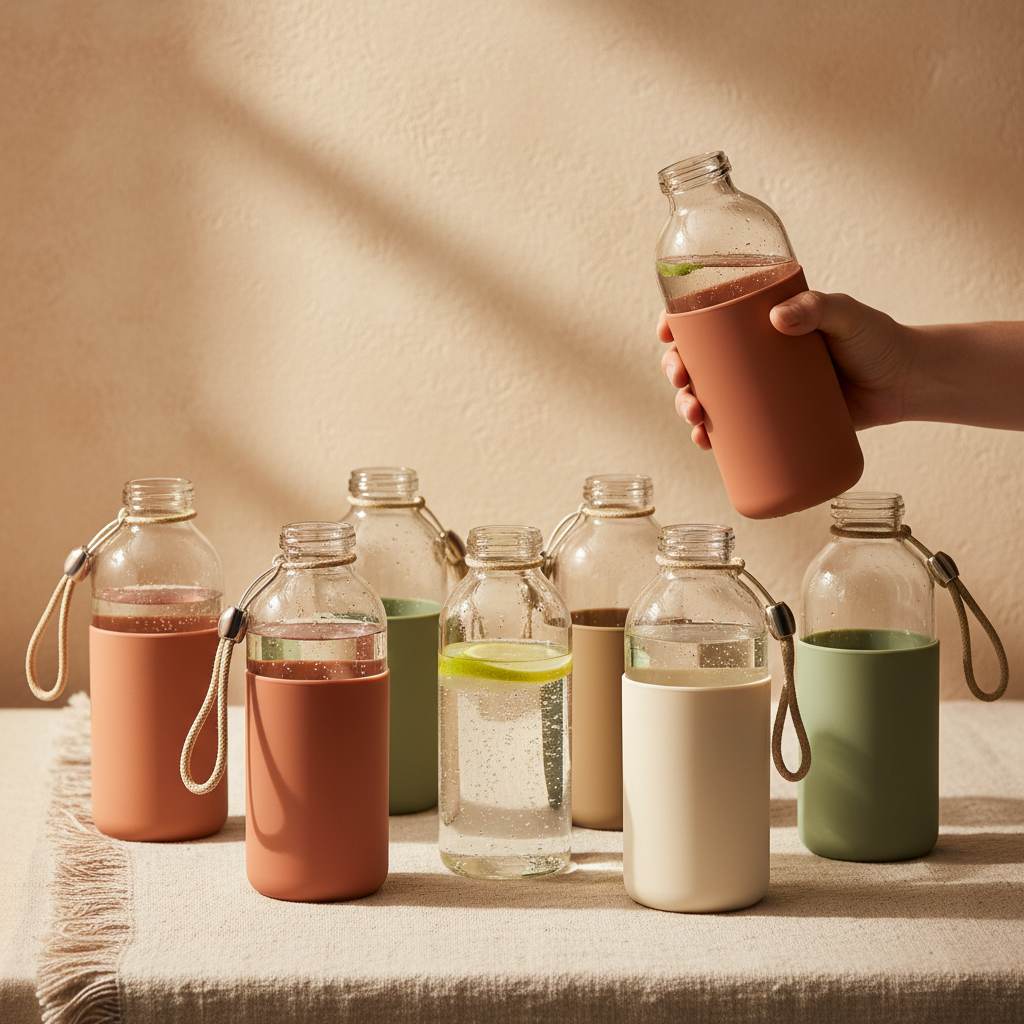
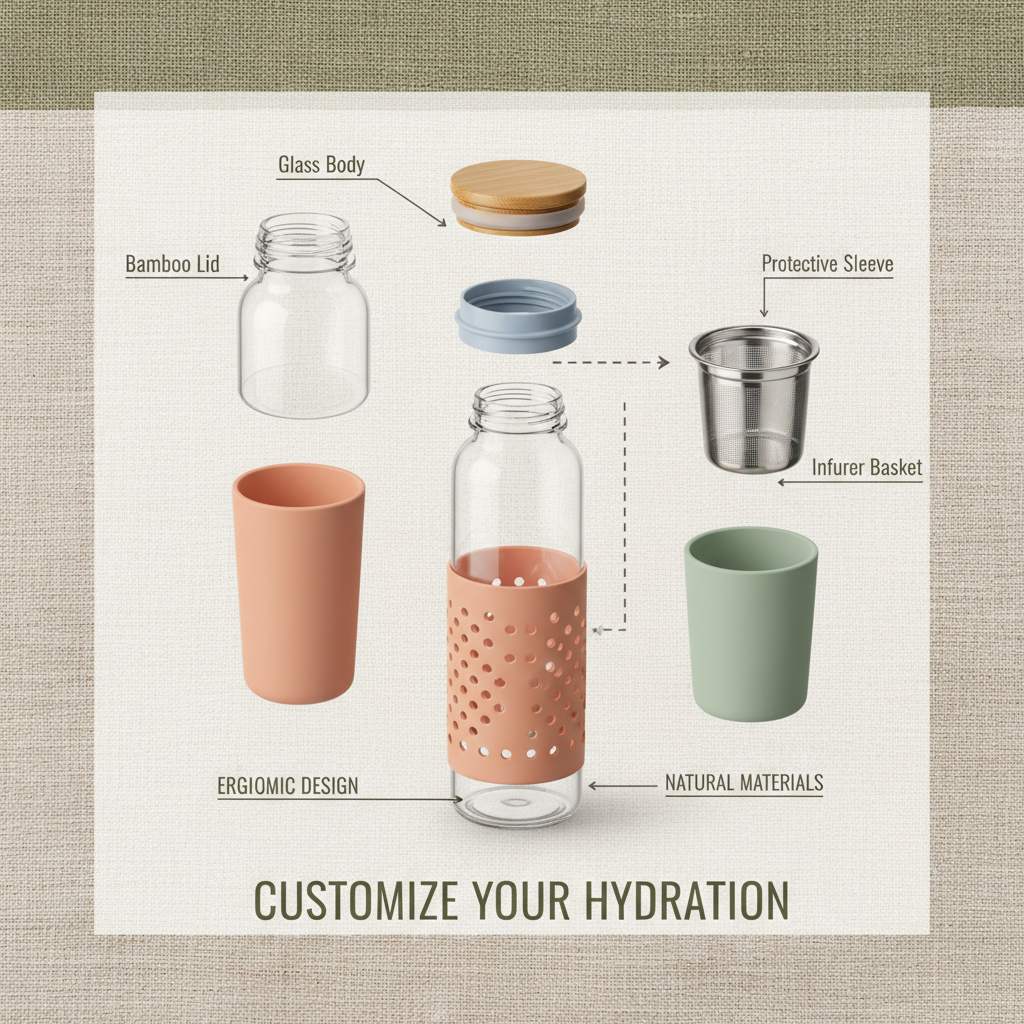
Challenges remain, however, including the weight and fragility of glass compared to plastic. Manufacturers are addressing these concerns through innovations in glass composition (like borosilicate glass) and protective sleeve designs to enhance durability and portability.
Defining Glass Drinking Water Bottles
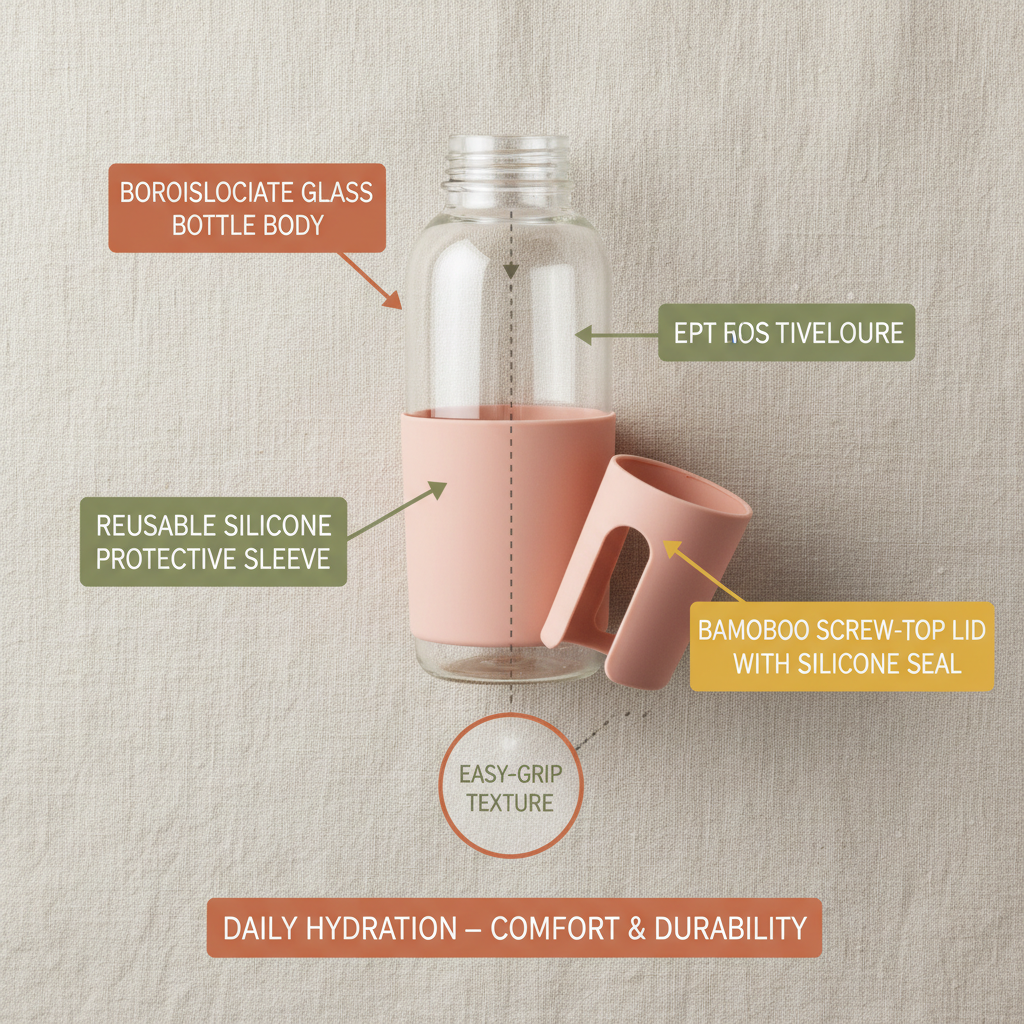
A glass drinking water bottle is a container primarily designed to hold and transport potable water, constructed from glass materials. Unlike disposable plastic bottles, these are intended for repeated use, promoting sustainability and reducing environmental waste. The glass used can vary, with borosilicate glass being a popular choice due to its superior resistance to thermal shock and chemical corrosion.
These bottles are fundamentally connected to the modern need for safe and accessible hydration, aligning with global initiatives to reduce plastic pollution and promote public health. They represent a proactive step towards more sustainable consumption patterns and demonstrate a commitment to environmental responsibility. The design of these bottles can vary greatly, from simple, minimalist styles to elaborate, decorative options, catering to diverse consumer preferences.
The manufacturing process of glass drinking water bottles relies on sophisticated techniques in glassblowing, molding, and finishing, often incorporating quality control measures to ensure durability, hygiene, and aesthetic appeal. They often feature closures made of stainless steel, bamboo, or plastic, and many include protective sleeves to enhance grip and prevent breakage.
Key Characteristics & Manufacturing Considerations
Durability is a crucial factor. Borosilicate glass is often preferred for its ability to withstand temperature changes and resist breakage, making it ideal for both hot and cold beverages. Cost-efficiency is another important aspect; while initial production costs may be higher than plastic, the long-term value proposition of a reusable bottle, coupled with potentially lower material costs (using recycled glass), can make it economically competitive.
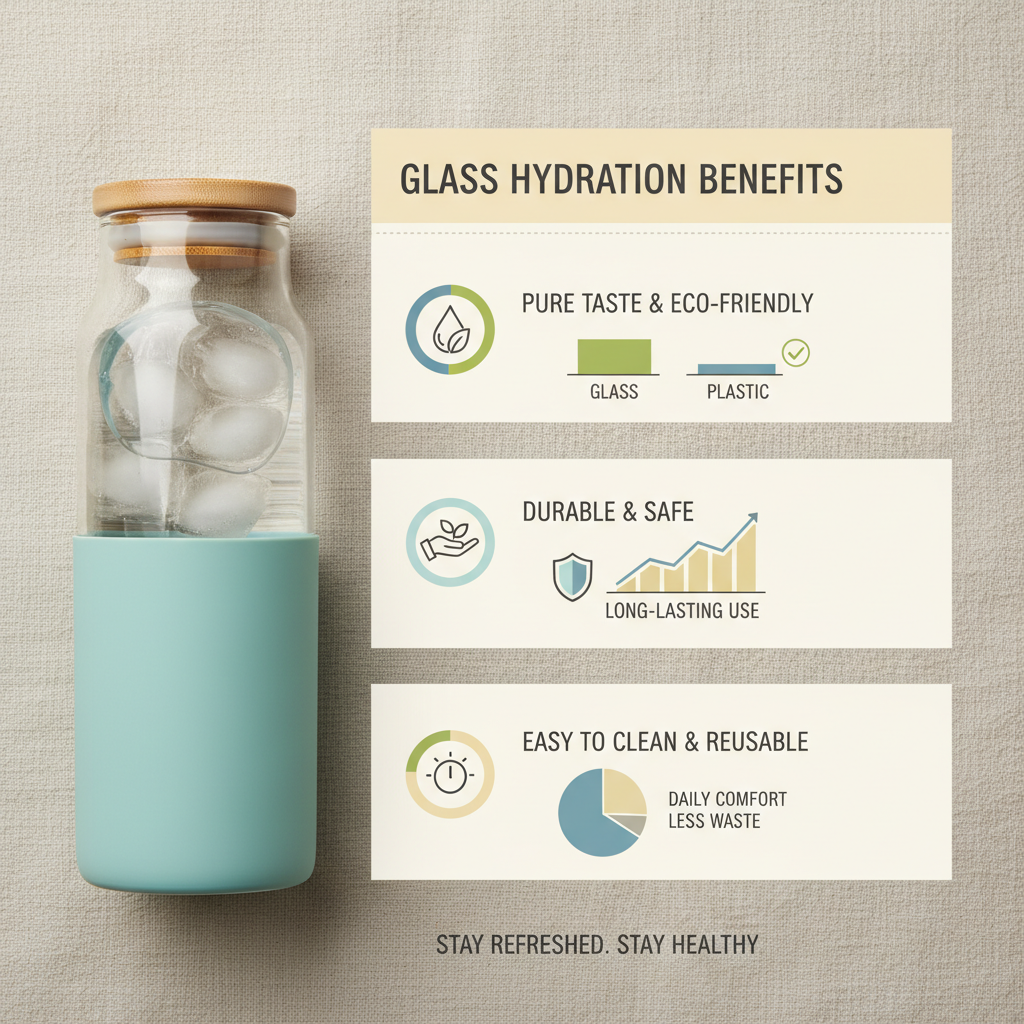
Hygiene is paramount. Glass is non-porous, meaning it doesn't retain flavors or odors, and it’s easier to clean and sanitize thoroughly, minimizing the risk of bacterial growth. Sustainability is also a core characteristic; glass is 100% recyclable and can be recycled endlessly without loss of quality.
Manufacturing Quality Factors for glass drinking water bottle
Applications Across Industries & Regions
Glass drinking water bottles are utilized extensively in the health and wellness sector, including gyms, yoga studios, and health food stores. They are also popular in the food and beverage industry, used for serving water, juices, and other drinks in restaurants and cafes. Outdoor enthusiasts frequently choose glass bottles for hiking, camping, and other activities.
Geographically, demand is highest in North America and Europe, where environmental awareness is particularly strong. However, the Asia-Pacific region is experiencing rapid growth due to rising disposable incomes and increasing health consciousness. Emerging markets in Latin America and Africa are also showing promising potential as sustainable consumption patterns gain traction.
Benefits & Long-Term Sustainability
The tangible benefits of choosing glass drinking water bottles extend beyond individual health and environmental impact. The inherent durability of glass reduces the need for frequent replacements, leading to long-term cost savings for consumers. The aesthetic appeal of glass adds value and enhances the overall user experience.
From a sustainability perspective, glass boasts a closed-loop recycling system, ensuring that materials can be reused indefinitely without degradation. This significantly reduces landfill waste and conserves natural resources. The emotional benefits of using a high-quality, aesthetically pleasing glass bottle contribute to a sense of well-being and mindful consumption.
The reliability and safety of glass, free from harmful chemicals like BPA found in some plastics, offer peace of mind to health-conscious consumers, fostering trust and brand loyalty.
Future Trends & Technological Advancements
Innovations in glass manufacturing, such as lightweight glass compositions and enhanced shatter resistance, are addressing some of the traditional drawbacks of glass bottles. Smart bottle technology, incorporating features like temperature sensors and hydration reminders, is emerging as a potential growth area. Furthermore, advancements in coating technologies are enhancing the grip and preventing condensation.
The integration of digital printing techniques allows for highly customized designs and branding opportunities, catering to individual preferences and marketing needs. The rise of the circular economy is driving research into improved glass recycling processes and the utilization of recycled glass content in production.
Sustainability initiatives, such as carbon-neutral manufacturing processes and the use of renewable energy sources, are becoming increasingly important in the glass industry. These advancements position glass drinking water bottles as a forward-thinking and environmentally responsible choice for consumers.
Summary of Challenges and Solutions for glass drinking water bottle Manufacturing
| Challenge |
Impact on glass drinking water bottle Production |
Potential Solution |
Implementation Difficulty (1-10) |
| Weight & Fragility |
Higher shipping costs, increased breakage during transport. |
Borosilicate glass, protective sleeves, optimized packaging. |
4 |
| Production Costs |
Higher initial investment compared to plastic alternatives. |
Automation, efficient energy use, recycled glass content. |
6 |
| Recycling Infrastructure |
Uneven recycling rates in different regions. |
Investments in recycling facilities, public awareness campaigns. |
7 |
| Design Complexity |
Intricate designs can increase manufacturing costs. |
Modular design principles, standardized components. |
5 |
| Supply Chain Disruptions |
Raw material shortages can impact production timelines. |
Diversification of suppliers, strategic inventory management. |
5 |
| Consumer Perception |
Perception of glass as fragile or heavy. |
Marketing campaigns highlighting durability and sustainability. |
3 |
FAQS
Glass drinking water bottles offer several benefits over plastic, including improved taste purity, non-toxicity (free of BPA and other harmful chemicals), enhanced durability (especially borosilicate glass), and complete recyclability. They also don't retain flavors or odors, making them ideal for repeated use. Choosing glass contributes to reducing plastic waste and supporting a more sustainable lifestyle.
Yes, borosilicate glass is significantly more resistant to thermal shock—meaning it can withstand sudden temperature changes—and is less prone to cracking or breaking compared to standard soda-lime glass. This makes it ideal for glass drinking water bottles designed for both hot and cold beverages. It also has a higher resistance to chemical corrosion, contributing to its longevity.
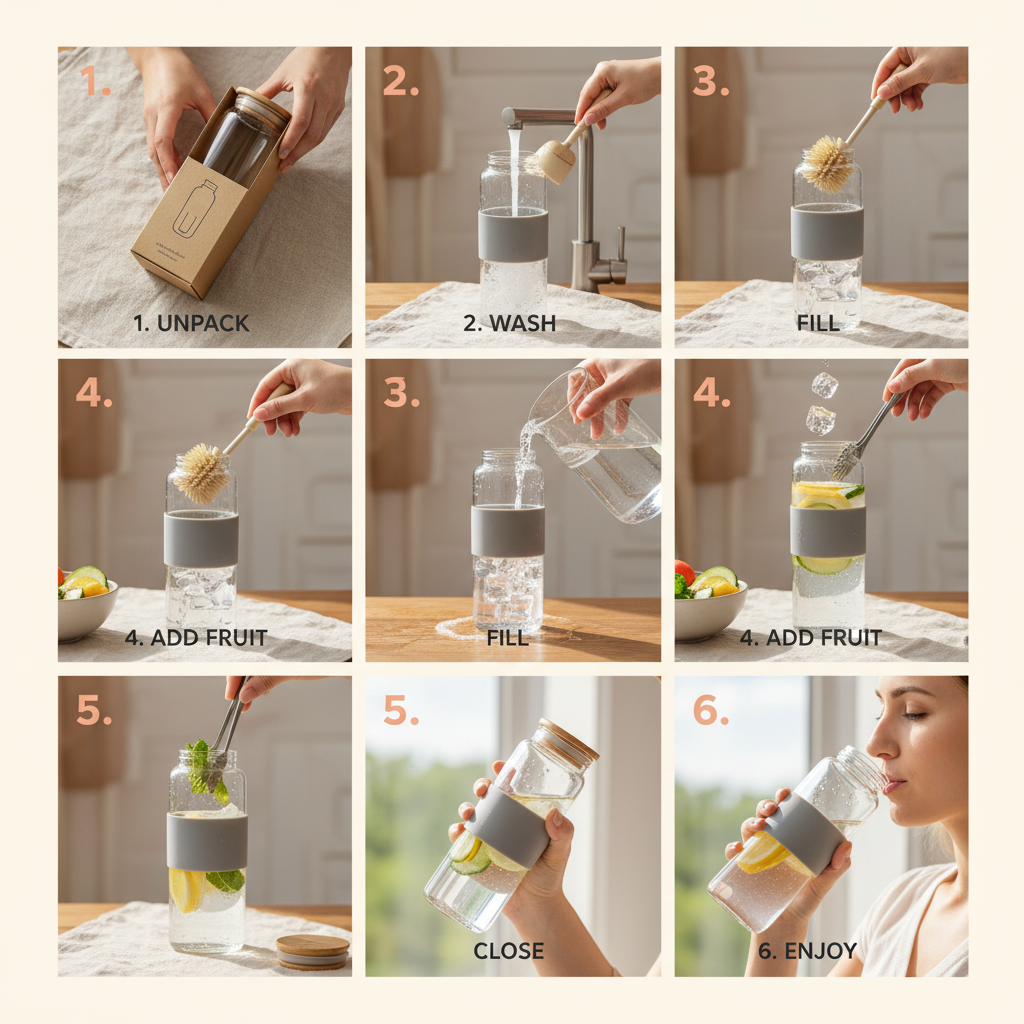
To extend the life of your glass bottle, avoid dropping it and exposing it to extreme temperature shocks. Hand washing is generally recommended, although some bottles are dishwasher safe (check the manufacturer’s instructions). Use a gentle cleaning solution and avoid abrasive scrubbers. Regularly inspect for any chips or cracks and discontinue use if damage is detected.
Absolutely! Glass is 100% recyclable and can be recycled endlessly without losing its quality. This makes it a highly sustainable material. However, recycling rates vary by location, so check with your local recycling program for specific guidelines. Recycling glass saves energy and reduces the need to extract new raw materials.
Generally, yes, but it's essential to use a bottle specifically designed for carbonated drinks. These bottles are typically thicker and more robust to withstand the pressure. Avoid using a standard glass drinking water bottle for highly carbonated beverages, as there's a risk of breakage. Always check the product specifications.
Consider factors like glass type (borosilicate is preferred), size, shape, closure type (leak-proof is crucial), protective sleeve (for added durability), and aesthetic design. Also, check for certifications ensuring the glass is free from harmful chemicals. Think about your intended use—will you be using it for hot or cold beverages, or during active pursuits? This will influence your choice.
Conclusion
In conclusion, the glass drinking water bottle represents a significant step towards sustainable hydration and a healthier lifestyle. Its benefits—durability, hygiene, recyclability, and aesthetic appeal—make it a compelling alternative to plastic, appealing to a growing segment of environmentally conscious consumers. The future of this product is bright, driven by innovation and a global movement towards responsible consumption.
Looking ahead, continued advancements in glass manufacturing and recycling technologies will further enhance the sustainability and cost-effectiveness of glass bottles. We encourage consumers to embrace this eco-friendly option and contribute to a cleaner, healthier planet. Visit our website at www.yintoglassware.com to explore our wide range of high-quality glass drinking water bottles and other glass products.
 TEL: +86 18903393212
 Email: tina@yintoglassware.com