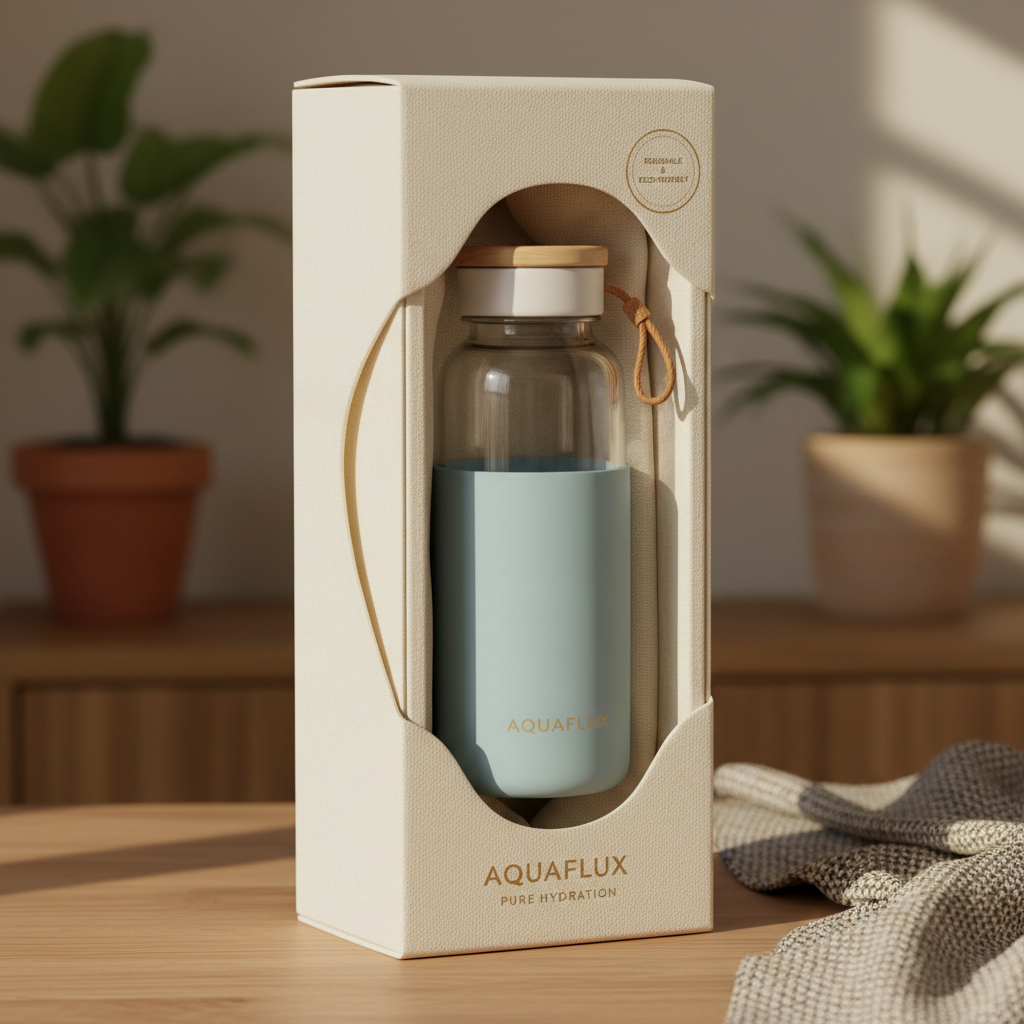
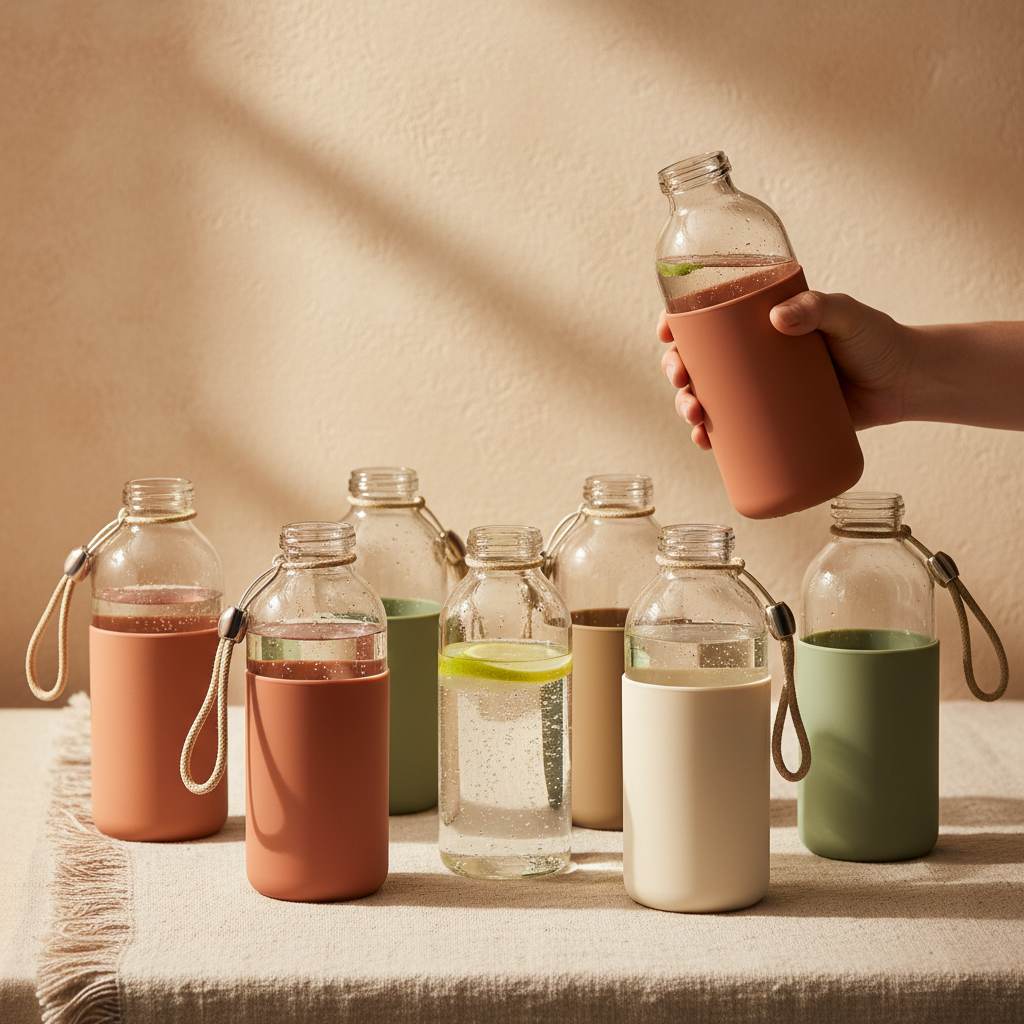
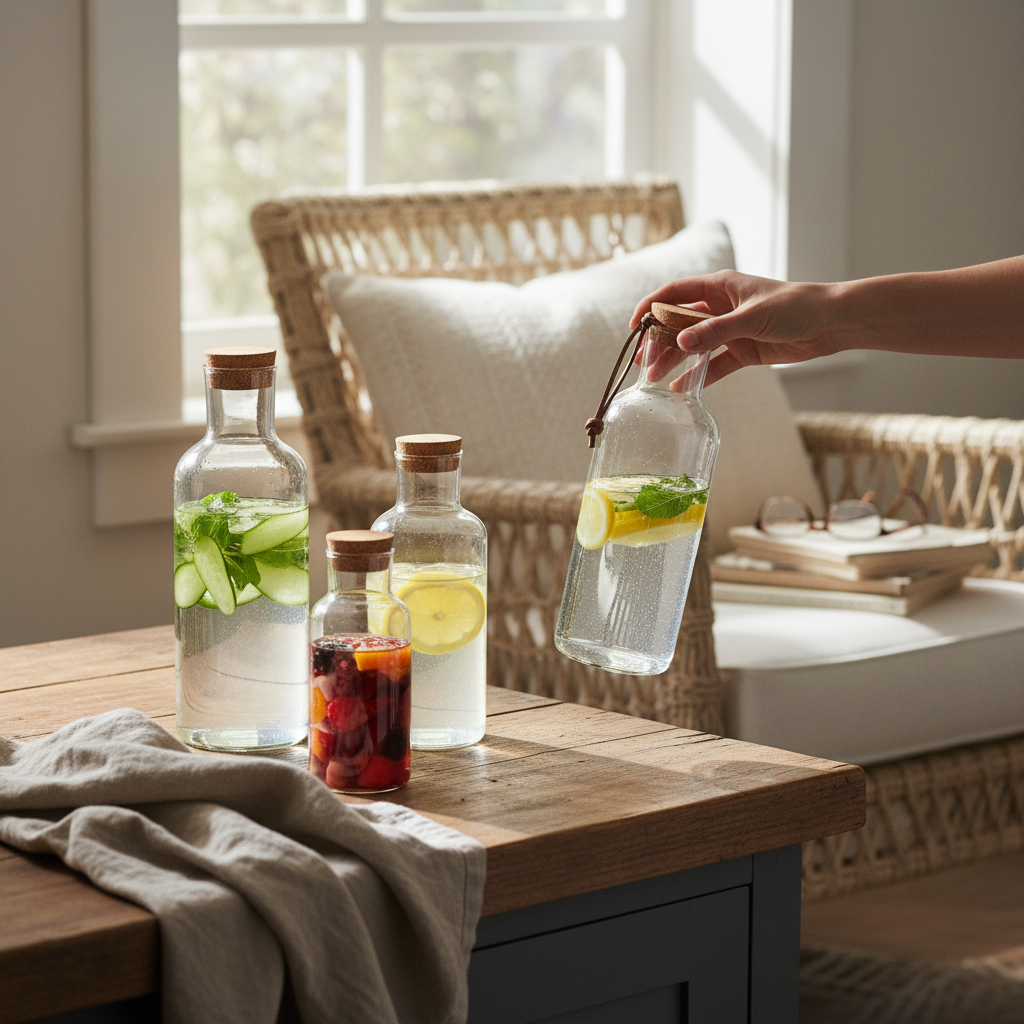
The demand for safe, durable, and eco-friendly hydration solutions is constantly growing globally. The glass silicone water bottle has emerged as a popular choice, combining the purity of glass with the convenience and protection of a silicone sleeve. This trend is fueled by increasing health consciousness and a desire to reduce reliance on single-use plastic bottles, making it a significant component in the evolution of sustainable drinking habits.
The global market for reusable water bottles is substantial and expanding, with a projected value reaching billions of dollars. Manufacturers are responding by innovating with materials and designs, and glass silicone water bottle designs are at the forefront of this movement. This growth is driven not only by consumer demand but also by regulatory pressures to reduce plastic waste and promote circular economy principles.
The benefits of glass silicone water bottle extend beyond personal hydration; they represent a commitment to environmental responsibility and a healthier lifestyle. Understanding the nuances of this product—from material science to sustainable manufacturing—is crucial for both consumers and businesses seeking to align with these values.
The Rise of Glass Silicone Water Bottles
The increasing awareness of plastic pollution and its detrimental effects on the environment has spurred a dramatic shift towards reusable alternatives. Glass silicone water bottle represent a premium option within this movement, appealing to consumers who prioritize both health and sustainability. They have quickly become a stylish and practical accessory for a wide range of activities.
Driven by a demand for non-toxic hydration solutions, the market for glass bottles has expanded significantly, and the addition of a silicone sleeve provides enhanced grip, protection from breakage, and thermal insulation. This combination addresses key consumer concerns and elevates the overall user experience, contributing to the rapid adoption of this product category.
Defining Glass Silicone Water Bottles
A glass silicone water bottle, in its simplest form, is a drinking vessel constructed primarily from glass, encased in a protective silicone sleeve. The glass component provides a pure, inert surface for holding liquids, preventing leaching of chemicals or flavors, while the silicone sleeve offers a comfortable grip and cushioning against impacts.
This design is a modern response to the historical use of glass bottles for beverage storage, evolving to meet the needs of a more active and environmentally conscious lifestyle. Unlike stainless steel or plastic, glass doesn't retain flavors, ensuring a consistently clean taste. The silicone sleeve addresses the fragility of glass, making it more suitable for everyday use.
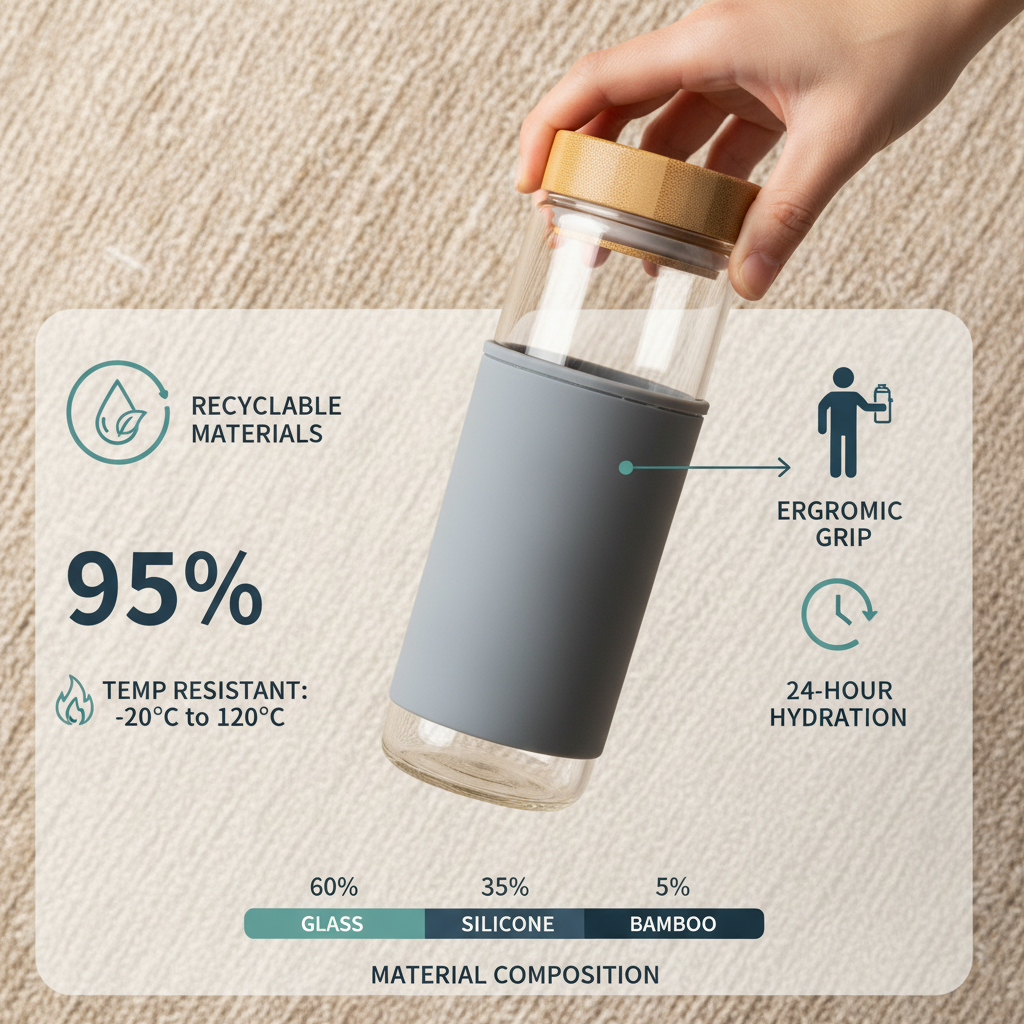
The composition typically includes borosilicate glass, known for its thermal shock resistance, and food-grade silicone, which is BPA-free and flexible. These materials are carefully selected for their safety, durability, and ability to enhance the functionality of the bottle.
Key Components and Material Science
The core of a glass silicone water bottle lies in the quality of its two primary materials: the glass and the silicone. Borosilicate glass is favored for its superior thermal stability, meaning it can withstand significant temperature changes without cracking. This is crucial for both hot and cold beverages.
The silicone sleeve isn’t merely a protective layer. Its composition directly impacts the bottle’s usability. Food-grade silicone must be BPA-free, phthalate-free, and non-toxic, ensuring the liquid remains untainted. The sleeve's thickness and texture are also carefully engineered for optimal grip and shock absorption.
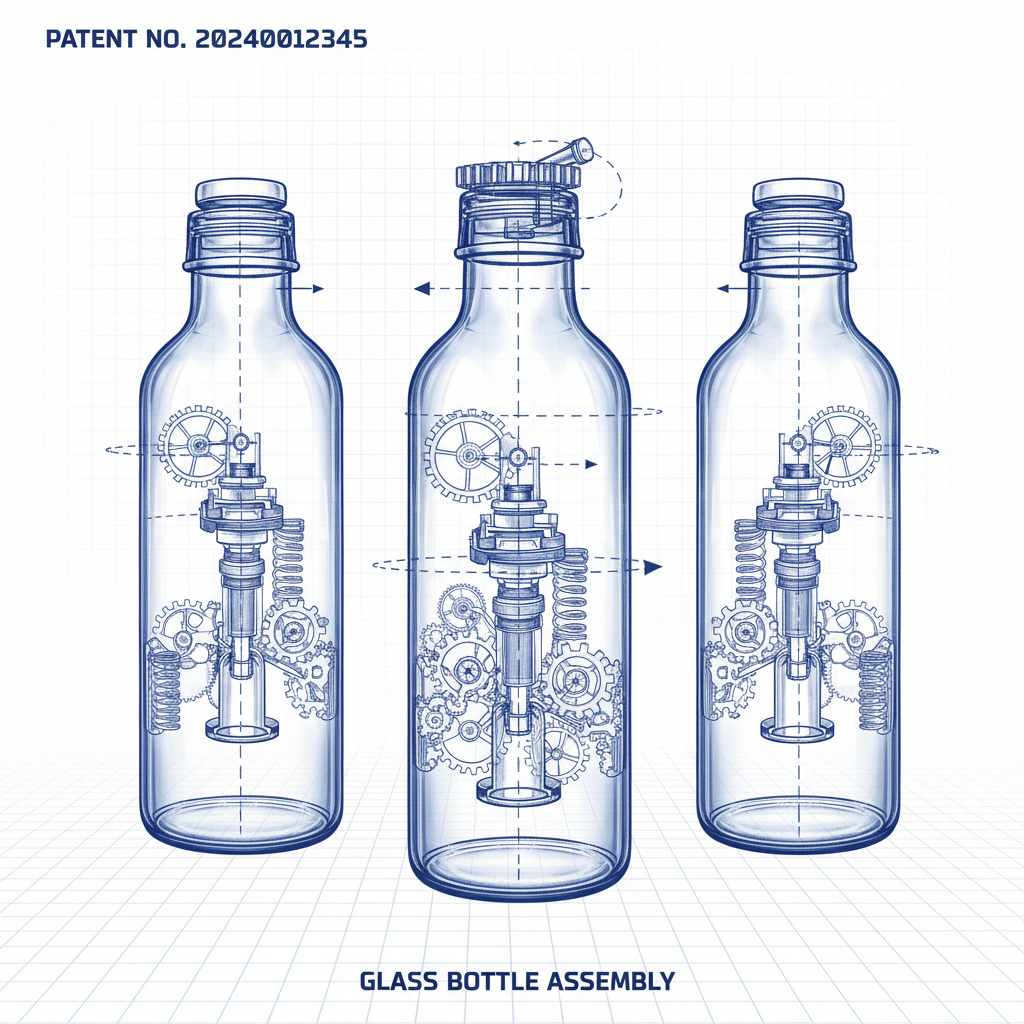
Manufacturing processes also play a key role. The glass is often formed through a blown glass technique or molded, while the silicone is typically produced via compression or injection molding. The precision of these processes dictates the bottle’s structural integrity and aesthetic appeal.
Durability and Safety of Glass Silicone Water Bottles
One of the primary concerns surrounding glass bottles is their potential for breakage. However, a well-designed glass silicone water bottle mitigates this risk through several factors. The silicone sleeve provides a significant layer of impact resistance, absorbing shocks and preventing the glass from directly contacting hard surfaces.
The use of borosilicate glass also contributes to increased durability, as it’s less susceptible to thermal stress. Furthermore, rigorous quality control testing, including drop tests and thermal shock tests, ensures that the bottles meet safety standards before reaching consumers.
Glass Silicone Water Bottle Performance Metrics
Global Applications and Market Trends
The glass silicone water bottle market is experiencing growth across diverse regions, fueled by rising health consciousness and environmental concerns. North America and Europe represent significant consumer bases, driven by wellness trends and a strong emphasis on sustainability.
Asia-Pacific is emerging as a key growth market, particularly in countries with increasing disposable incomes and a growing awareness of environmental issues. The bottles are becoming increasingly popular in gyms, yoga studios, and outdoor recreation activities worldwide.
Advantages and Long-Term Sustainability
The advantages of choosing a glass silicone water bottle are multifaceted. Glass is a 100% recyclable material, contributing to a circular economy. Unlike plastics, it doesn't leach harmful chemicals into the liquid, ensuring a pure drinking experience. The silicone sleeve adds durability and convenience, extending the bottle's lifespan.
From a long-term sustainability perspective, reducing reliance on single-use plastic bottles has a significant positive impact on the environment. Investing in a durable, reusable glass bottle minimizes waste and contributes to a more sustainable lifestyle, aligning with global efforts to combat plastic pollution.
Beyond environmental benefits, glass silicone water bottles offer a premium aesthetic appeal, contributing to a sense of well-being and a commitment to a healthier lifestyle. This combination of functionality, sustainability, and style makes them a compelling choice for consumers.
Future Innovations and Challenges
Future innovations in glass silicone water bottle design are likely to focus on enhancing durability, improving thermal insulation, and incorporating smart technologies. Potential advancements include the development of more impact-resistant glass compositions and the integration of temperature sensors or hydration trackers.
One of the primary challenges facing the industry is reducing the carbon footprint associated with glass production and transportation. Exploring alternative manufacturing processes and sourcing materials locally can contribute to a more sustainable supply chain.
Another area of focus is developing more eco-friendly silicone alternatives, as traditional silicone production relies on fossil fuels. Research into bio-based silicone materials could further enhance the sustainability of these bottles.
Summary of Key Challenges and Potential Solutions for Glass Silicone Water Bottles
| Challenge |
Impact on Sustainability |
Potential Solution |
Implementation Difficulty (1-10) |
| High Carbon Footprint of Glass Production |
Increases overall environmental impact. |
Utilize recycled glass cullet in manufacturing. |
6 |
| Silicone Production Reliance on Fossil Fuels |
Limits overall sustainability benefits. |
Invest in research and development of bio-based silicone. |
8 |
| Potential for Glass Breakage |
Shortens product lifespan, increases waste. |
Improve silicone sleeve design for enhanced impact resistance. |
4 |
| Transportation Emissions |
Contributes to carbon footprint. |
Source materials and manufacture products locally. |
7 |
| Cost Competitiveness with Plastic |
May limit accessibility for some consumers. |
Optimize manufacturing processes to reduce production costs. |
5 |
| End-of-Life Recycling Infrastructure |
Effective recycling is crucial for realizing sustainability benefits. |
Partner with recycling facilities and promote consumer awareness. |
6 |
FAQS
Glass is a non-porous material, meaning it doesn't absorb flavors or odors, and importantly, it doesn’t leach harmful chemicals like BPA or phthalates into your water. Plastic bottles, on the other hand, can potentially release these chemicals, especially when exposed to heat. Choosing a glass silicone water bottle ensures a purer, healthier drinking experience, free from potentially harmful substances. The silicone sleeve provides added protection, minimizing the risk of glass breakage.
Cleaning a glass silicone water bottle is relatively simple. Most components are dishwasher safe (check manufacturer’s instructions), however handwashing is recommended to extend their lifespan. Use warm, soapy water and a bottle brush to clean the inside of the glass bottle. The silicone sleeve can be removed and washed separately. For stubborn stains, you can use a baking soda paste. Ensure the bottle is thoroughly rinsed and dried before storing.
Yes, the addition of a silicone sleeve significantly increases the durability of a glass bottle. The silicone acts as a shock absorber, protecting the glass from impacts and reducing the risk of breakage. While glass is inherently more fragile than materials like stainless steel, the silicone sleeve adds a crucial layer of protection, making it more suitable for everyday use and outdoor activities.
Yes, most glass silicone water bottle designs are suitable for both hot and cold beverages, especially those made with borosilicate glass, which has high thermal shock resistance. However, it’s always best to check the manufacturer’s instructions to confirm the temperature limits. Avoid rapid temperature changes, such as pouring boiling water into a very cold bottle, to prevent potential cracking.
A glass silicone water bottle promotes sustainability by reducing your reliance on single-use plastic bottles. Glass is a 100% recyclable material, and the silicone sleeve, while not always easily recycled, is more durable and longer-lasting than plastic alternatives. By choosing a reusable bottle, you actively contribute to minimizing plastic waste and protecting the environment.
When choosing a glass silicone water bottle, consider the material of the glass (borosilicate is preferred), the quality of the silicone (ensure it’s food-grade and BPA-free), the design of the sleeve (look for ample cushioning), and the bottle’s overall construction. Also, consider the size and mouth opening to ensure it meets your needs. Check for certifications that guarantee safety and quality.
Conclusion
The glass silicone water bottle represents a compelling fusion of health, sustainability, and style. By providing a safe, durable, and eco-friendly alternative to plastic bottles, it addresses a growing consumer demand and aligns with global efforts to reduce waste and protect the environment. Its enduring qualities and versatility position it as a cornerstone of mindful hydration.
Looking ahead, continued innovation in materials and manufacturing processes will further enhance the sustainability and performance of these bottles. Embracing a glass silicone water bottle isn’t just a choice for individual health; it’s a step towards a more sustainable and responsible future. Visit our website at www.yintoglassware.com to explore our range of premium glass water bottles.
 TEL: +86 18903393212
 Email: tina@yintoglassware.com