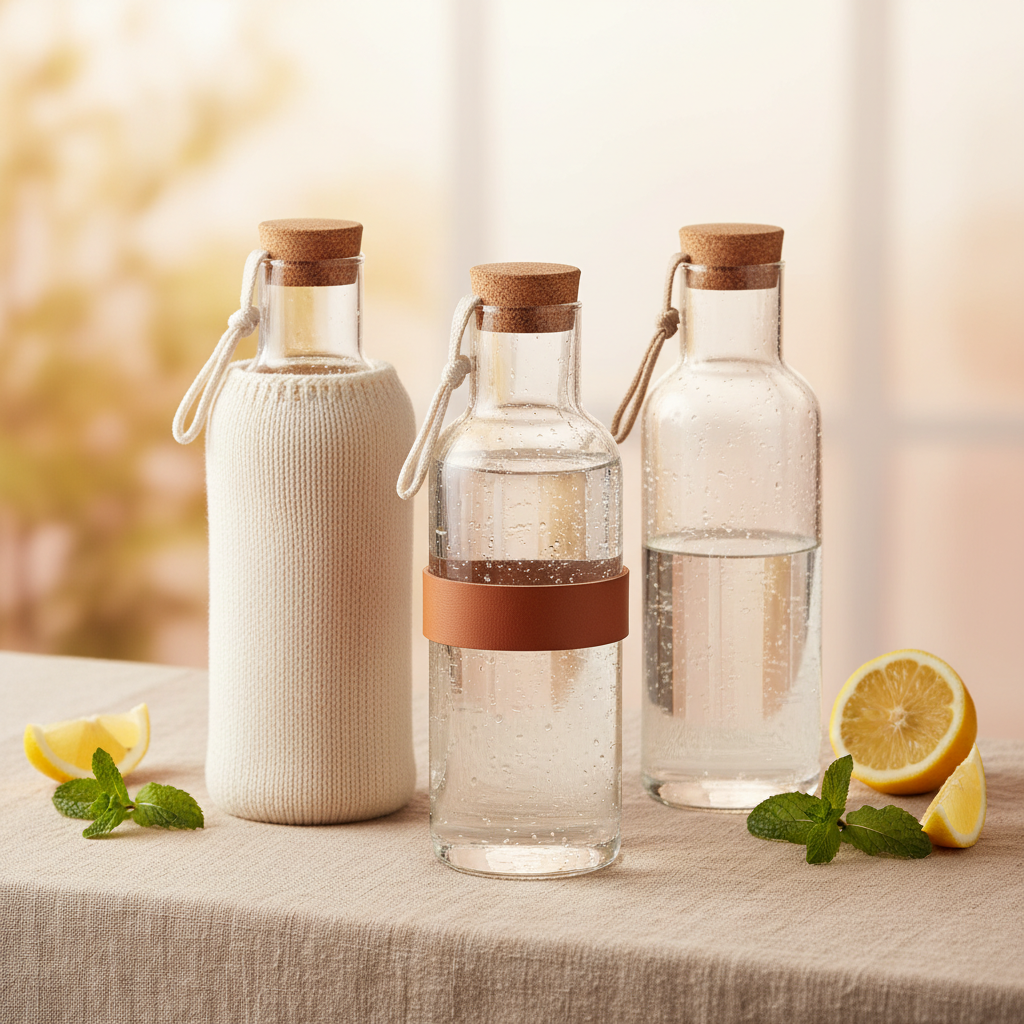
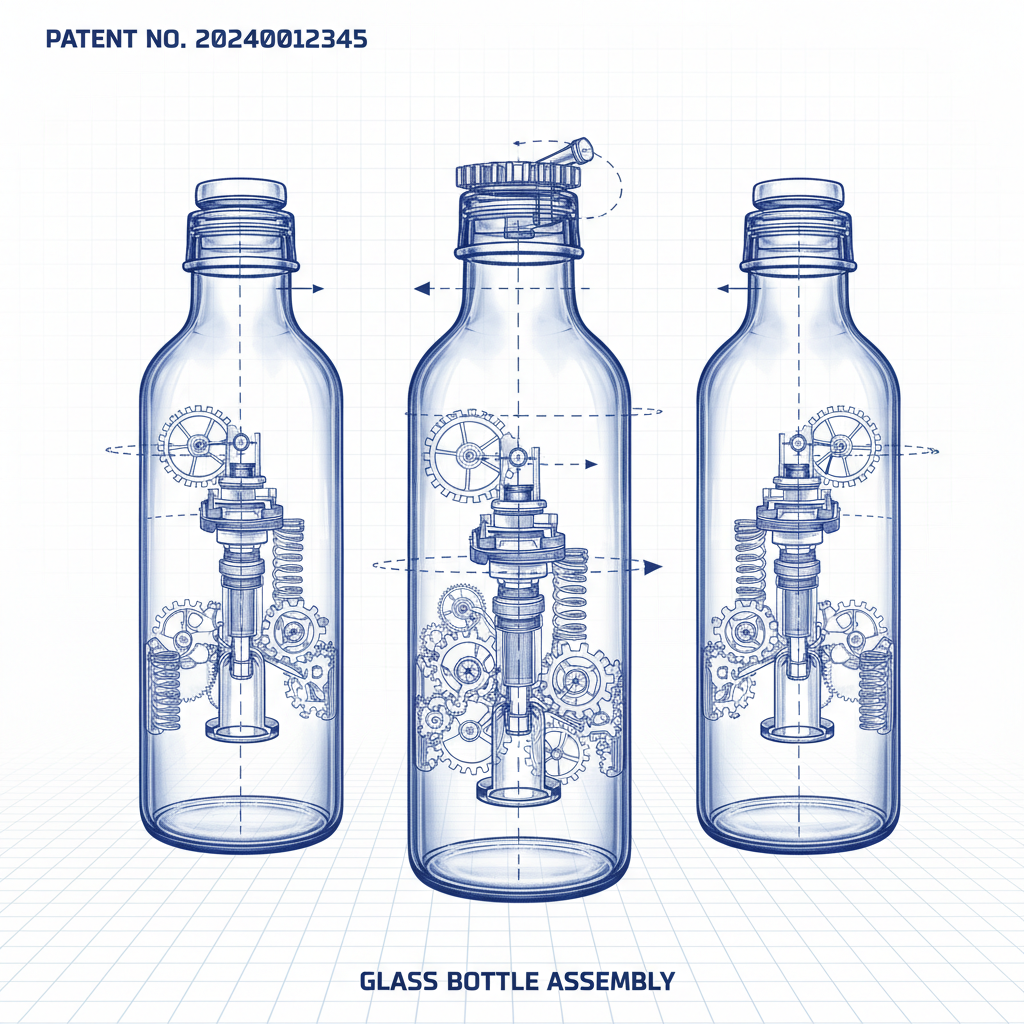
The global shift toward sustainable living has sparked a significant increase in demand for high-quality hydration solutions that balance aesthetics with durability. In this context, the search for the perfect vessel often leads consumers to evaluate the merits of a glass and stainless steel water bottle, as users seek to eliminate plastic waste without compromising on the purity of their drinks.
Modern consumers are increasingly aware of the chemical leaching associated with low-grade plastics, driving a preference for materials that are inert and non-toxic. By combining the clarity and chemical stability of borosilicate glass with the structural integrity often associated with metallic accents, the industry is redefining what it means to have a safe, reusable drinking container.
Whether for professional environments or home use, choosing a glass and stainless steel water bottle ensures that the taste of the beverage remains untainted. This commitment to material purity is central to the evolution of the drinkingware series, focusing on longevity, health, and environmental responsibility.
The Material Science of High Borosilicate Glass
High borosilicate glass, often referred to as hard glass, is distinguished by its low expansion rate and exceptional chemical stability. With a composition featuring 12.5-13.5% boron and 78-80% silicon, this material is engineered to withstand extreme temperature fluctuations, making it a superior choice for those seeking the reliability of a glass and stainless steel water bottle.
Unlike standard soda-lime glass, the molecular structure of borosilicate is far more robust, offering high hardness and transmittance. This ensures that the drinkingware remains transparent and crystal clear over time, resisting the cloudiness often seen in cheaper alternatives while providing a safe, non-toxic environment for liquids.
Global Standards for Food-Grade Hydration
In the international manufacturing landscape, adherence to strict safety protocols is non-negotiable. High-quality borosilicate drinkingware is typically certified by global bodies such as the FDA and LFGB, ensuring that the materials are BPA-free and lead-free. This is critical for any glass and stainless steel water bottle designed for long-term daily use.
The absence of toxic substances means that harmful chemicals are not precipitated into the beverage, even when exposed to acidic liquids or high temperatures. This chemical inertness is a primary reason why healthcare and wellness sectors prefer borosilicate glass for storing sensitive liquids.
Furthermore, the smooth surface of this glass prevents the absorption of food odors or flavors. This ensures that whether you are drinking a citrus-infused water or a herbal tea, the taste remains pure and undisturbed, meeting the highest global standards of hygiene and user experience.
Thermal Shock Resistance and Versatility
One of the most impressive features of high borosilicate glass is its ability to handle thermal shock. A high-quality glass and stainless steel water bottle can withstand a temperature difference of up to 120°C, allowing users to transition from a freezer to an oven without the risk of cracking.
With a safe operating range from -20°C (68°F) up to 560°C (1000°F), these vessels are incredibly versatile. This makes the glass and stainless steel water bottle ideal for both ice-cold refreshments and piping hot infusions, providing a seamless experience across different seasons and beverage preferences.
This versatility extends to the cleaning process as well. Being dishwasher safe, microwave safe, and oven safe, borosilicate glassware reduces the maintenance burden on the user. The combination of strength and transparency ensures that the product remains a functional piece of art in any kitchen or office setting.
Performance Analysis of Modern Drinkingware
Evaluating the efficiency of hydration tools requires a look at several metrics, including thermal stability, purity, and durability. When comparing a glass and stainless steel water bottle to traditional plastic or single-wall glass, the advantages in health and longevity become evident.
The following data reflects the comparative ratings of various material combinations used in modern drinkingware, emphasizing the superior performance of borosilicate options.
Material Performance Comparison for Hydration Vessels
Practical Applications in Daily Life
In professional settings, the use of a glass and stainless steel water bottle conveys a sense of sophistication and environmental consciousness. Its transparency allows for the visual enjoyment of infused waters, while the borosilicate core ensures that it can handle the morning's hot tea and the afternoon's iced water without stress.
For those with an active lifestyle, these vessels provide a hygienic alternative to plastic. Because borosilicate glass does not leach chemicals, it is the preferred choice for fitness enthusiasts and health-conscious individuals who prioritize the purity of their hydration during intense workouts or long office hours.
Long-Term Value and Sustainability
Investing in a glass and stainless steel water bottle is fundamentally a move toward sustainability. Unlike single-use plastics that clog landfills and oceans, borosilicate glass is infinitely recyclable and designed for a lifetime of use, significantly reducing the carbon footprint of the individual user.
From an economic perspective, the durability of hard glass reduces the frequency of replacements. The high strength and hardness of the material mean that with proper care, a single vessel can serve its owner for years, providing better long-term value than disposable or low-quality alternatives.
Beyond the material, the emotional value of owning a high-quality piece of drinkingware—such as our stained turquoise or amber options—adds a layer of aesthetic pleasure to the daily routine. It transforms a simple act of drinking water into a mindful experience of quality and design.
Comparison of Glass Material Properties
To fully appreciate the engineering behind the glass and stainless steel water bottle, one must look at the technical differences between borosilicate and ordinary glass. The inclusion of boron creates a more stable network, which is the secret to its famous thermal resistance.
While ordinary glass is prone to shattering when exposed to sudden temperature changes, borosilicate is specifically designed for laboratory and high-end culinary use. This makes it the only logical choice for products that must transition between the freezer and the oven.
The following table summarizes the core technical specifications and performance dimensions that set high borosilicate glass apart from other common glass types used in the industry.
Core Technical Comparison of Glass Materials
| Material Type |
Thermal Shock Limit |
Chemical Stability |
Purity Rating |
| High Borosilicate |
120°C |
Excellent |
10/10 |
| Soda-Lime Glass |
40-60°C |
Moderate |
6/10 |
| Tempered Glass |
70-90°C |
Good |
7/10 |
| Lead Crystal |
Low |
Poor (Leaching) |
3/10 |
| Quartz Glass |
Very High |
Superior |
10/10 |
| Plastic-Coated Glass |
Variable |
Moderate |
5/10 |
FAQS
Yes, our bottles are made from high borosilicate glass which can withstand temperatures up to 560°C and a thermal shock of 120°C. This means you can pour boiling water directly into the bottle without worrying about cracking or shattering.
No, high borosilicate glass is non-porous and chemically stable. It does not absorb food odors or flavors, making it extremely easy to clean and ensuring that your water always tastes fresh, regardless of what was in the bottle previously.
Absolutely. High borosilicate glass is microwave safe. However, please ensure that any stainless steel components or lids are removed before placing the glass vessel in the microwave to avoid damage to the appliance.
The primary difference is the addition of boron trioxide, which lowers the coefficient of thermal expansion. This makes borosilicate glass much more resistant to thermal shock and chemically more stable, preventing the leaching of harmful substances.
Yes, our products are food-grade and strictly BPA-free and lead-free. They are approved by international safety standards including FDA, LFGB, and DGCCRF, ensuring maximum safety for your daily hydration.
The glass component is completely dishwasher safe. For the best results, we recommend using a soft bottle brush for the interior and a mild detergent. Avoid using abrasive scrubbers that could scratch the high-transmittance surface.
Conclusion
The integration of high borosilicate glass into modern drinkingware represents a perfect synergy of science, health, and design. By prioritizing materials that are thermal-shock resistant, chemically inert, and certified food-grade, the glass and stainless steel water bottle offers a sustainable alternative to plastic that does not compromise on performance or aesthetics.
As we move toward a more eco-conscious future, choosing vessels that offer longevity and purity is not just a preference, but a necessity. We encourage you to upgrade your hydration habits with materials that protect both your health and the planet. Visit our website to explore our full range: www.yintoglassware.com
 TEL: +86 18903393212
 Email: tina@yintoglassware.com