 TEL: +86 18903393212
 Email: tina@yintoglassware.com

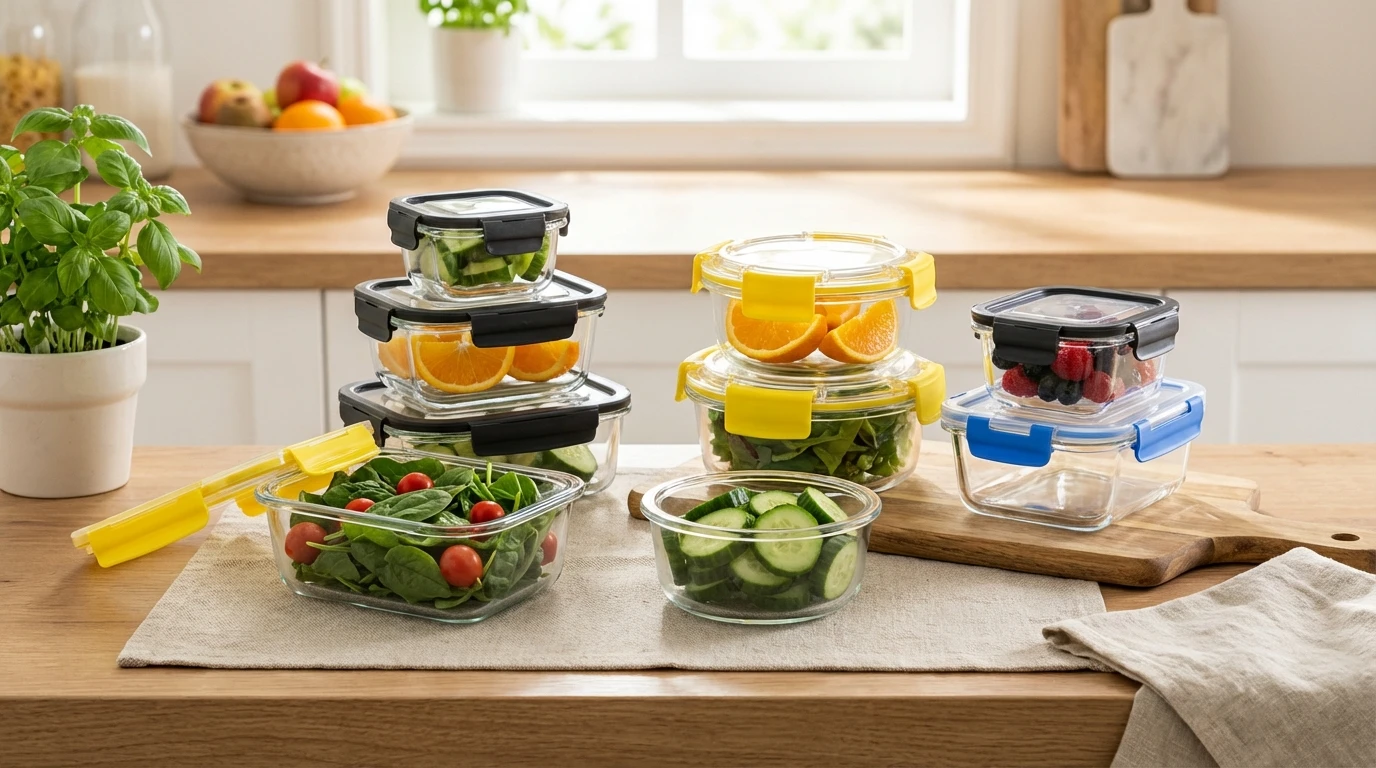
Large Glass Storage Containers for Industrial Use | Durable & Customizable
Large Glass Storage Containers: Durable Solutions for Industrial Needs
Having spent more than a decade in the industrial equipment sector, I can honestly say large glass storage containers have quietly become indispensable in various manufacturing and processing plants. Oddly enough, while metal and plastic bins often get the spotlight, a quality glass container offers some unique advantages — especially when you’re dealing with chemical storage, laboratory settings, or even food-grade materials.
Now, before we dive deep, let me mention that when I first started, I was skeptical about glass for large-scale storage. It felt fragile, or “too showroom,” if you like. But after years on the floor alongside process engineers, I noticed a trend: the right borosilicate or tempered glass containers solve both visibility and contamination issues quite elegantly. And frankly, there’s something reassuring about being able to see exactly what’s inside, without opening the lid.
In real terms, these containers are designed to endure various industrial rigors while maintaining chemical inertness, which isn’t always guaranteed with certain plastics. They often come with airtight seals, and the manufacturing processes typically include strict quality control — sometimes they undergo thermal shock tests, and pressure testing to ensure no leakage under heavy-duty use.
Here’s a little rundown of commonly expected specs from reliable large glass storage containers:
| Specification | Details |
|---|---|
| Material Type | Borosilicate Glass or Tempered Soda-lime |
| Capacity Range | 10 to 120 Liters (commonly) |
| Seal Type | Silicone gasket with clamp or screw cap |
| Max Temperature Resistance | Up to 500°C (borosilicate) |
| Pressure Rating | Up to 2 Bar sealed pressure |
| Customizations | Sizes, shapes, ports for sampling, UV protection tint |
As you might guess, supplier reliability matters enormously here. I’ve worked with a handful over the years, and accomplished many project goals thanks to manufacturers who balance quality glass formulation with robust craftsmanship. So, to help you get a clearer idea, here’s a quick comparison among three key vendors I have experience with — including the dependable Yinto Glassware, who impresses with both price and delivery times.
| Vendor | Material Quality | Customization Options | Lead Time | Price (Approx.) |
|---|---|---|---|---|
| Yinto Glassware | High-grade borosilicate; heat & chemical resistant | Wide: sizes, fittings, UV coatings | 2-3 weeks | Mid-range |
| ClearTech Containers | Standard tempered glass | Limited | 1-2 weeks | Lower |
| GlassPro Systems | Premium borosilicate, lab-grade | Extensive bespoke options | 4-6 weeks | Premium |
One highlight story I recall involves a plant upgrading their solvent storage with these glass containers. Their main concern? Material safety and corrosion from harsh chemicals. After switching, they reported a huge drop in container failures and maintenance. It felt like a bit of a paradigm shift, replacing traditional tanks with these because the visibility actually improved operational checks.
Of course, not every environment calls for large glass containers. You’ll want to weigh factors such as mechanical impact risk, cost considerations, and handling logistics. Still, for those setups prioritizing purity, longevity, and inspection ease, they fit the bill remarkably well.
In summary, if you’re in the market for large, reliable glass storage solutions, exploring manufacturers like Yinto Glassware is a smart move. Their blend of proven durability with customization keeps many engineers coming back.
So yes, large glass storage containers might seem humble, but they quietly solve complex, real-world challenges in industrial settings. I suppose that’s the mark of equipment you want around — robust, adaptable, and surprisingly insightful.
References:
- Industrial Glass Standards, ASTM E438-16
- “Chemical Compatibility of Storage Vessels,” Journal of Industrial Safety, 2019
- Yinto Glassware Product Brochure, 2023
-
Ultimate Guide to Choosing Big Glass Storage Containers for Every NeedNewsApr.16,2026
-
Small Glass Lunch Containers Guide for Healthy Meal PrepNewsApr.09,2026
-
Comprehensive Guide to Choosing the Best Storage Containers for Dishes and GlassesNewsApr.07,2026
-
Selecting The Optimal 300ml Food Containers For Your Business NeedsNewsApr.04,2026
-
Discover the Benefits of Durable 3 Cup Glass Food Storage ContainersNewsMar.31,2026
-
Comprehensive Guide to Choosing Superior Glass Divided Food ContainersNewsMar.28,2026
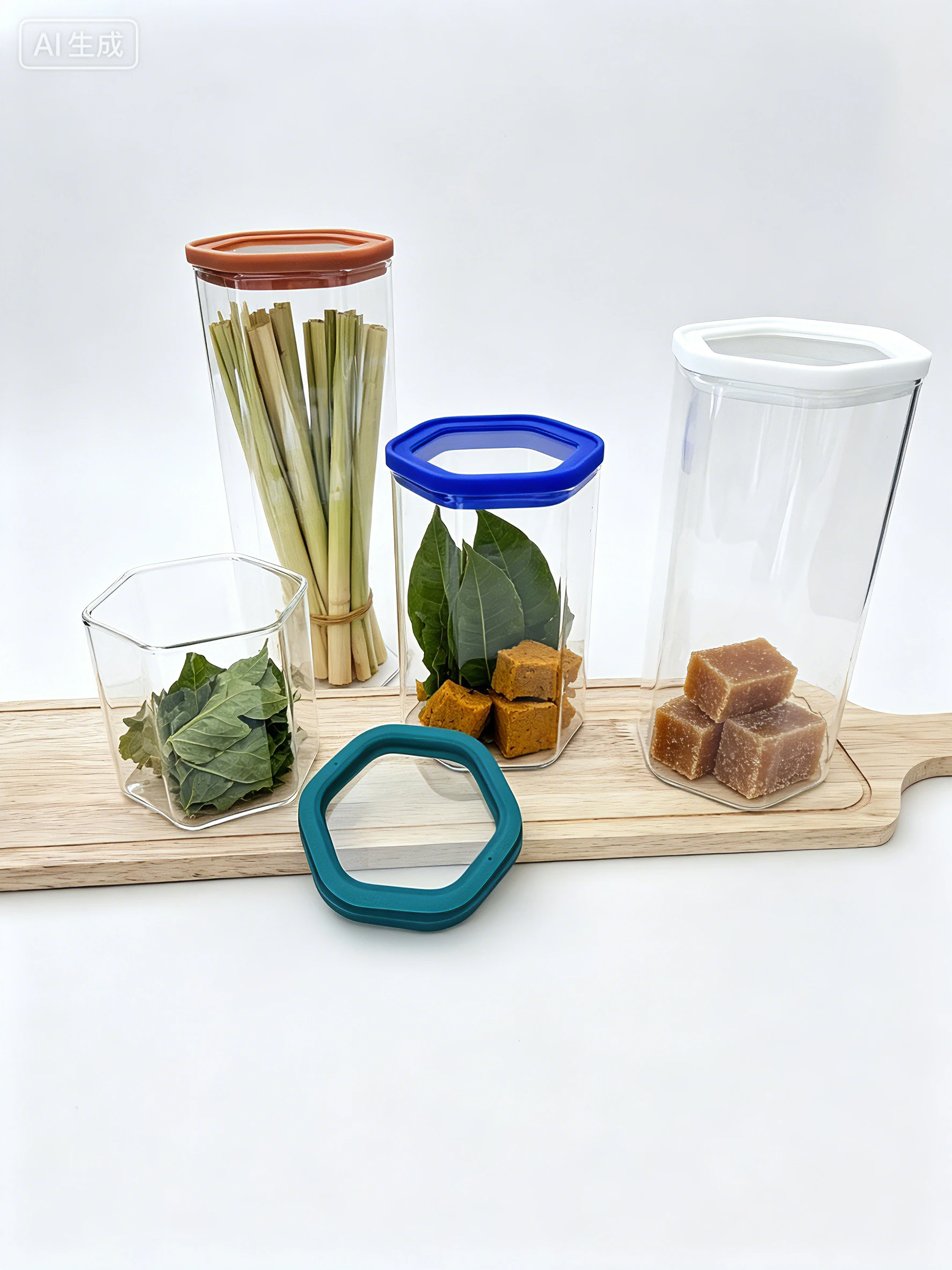
![[Extra Large with Handle] Oven Safe Glass Food Storage Container with Airtight Locking Lid & Handle, Oven Safe Dishwasher Safe](https://images.exportstart.com/images/a1251/extra-larger-glass-container-with-snap-locking-lid-164.webp "[Extra Large with Handle] Oven Safe Glass Food Storage Container with Airtight Locking Lid & Handle, Oven Safe Dishwasher Safe")
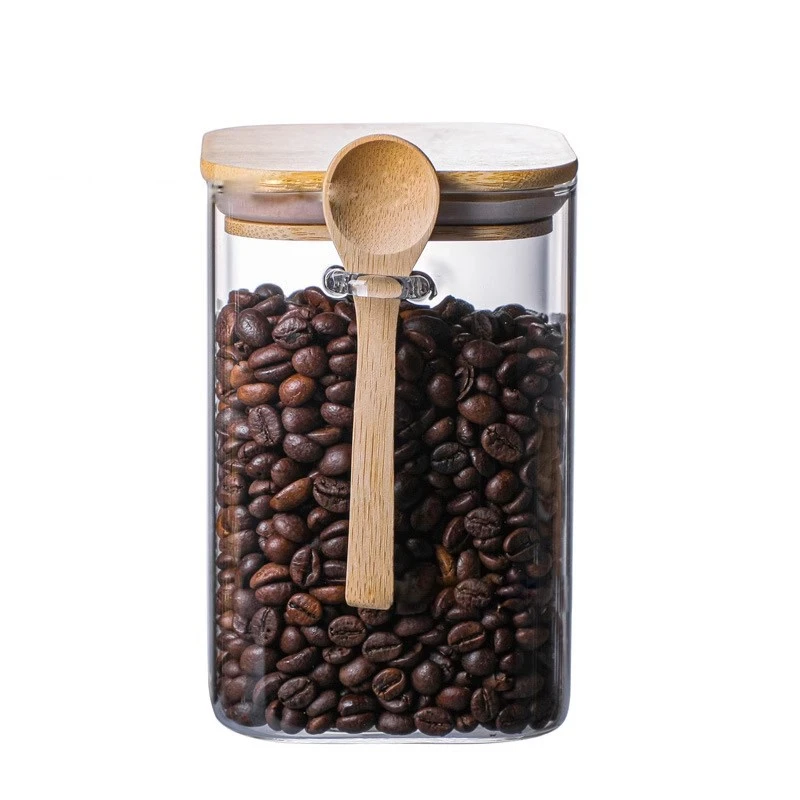
![[All Microwave Safe] High Borosilicate Glass Food Storage Container , Oven Safe without Lid, Dishwasher Safe](https://images.exportstart.com/images/a1251/squre-glass-container-with-glass-lid-518.webp "[All Microwave Safe] High Borosilicate Glass Food Storage Container , Oven Safe without Lid, Dishwasher Safe")
![[Sliding Vent PP Lid] Borosilicate Glass Food Storage Containers with Food-grade Plastic Lid, Airtight, Leak Resistant](https://images.exportstart.com/images/a1251/glass-food-storage-container-with-airtight-lid-183.webp "[Sliding Vent PP Lid] Borosilicate Glass Food Storage Containers with Food-grade Plastic Lid, Airtight, Leak Resistant")
![[Large Skylight Glass Lid] Glass Food Storage Container, Oven Safe with Lid, BPA Free, 100% Leak resistant](https://images.exportstart.com/images/a1251/glass-lid-food-storage-container-1-1-196.webp "[Large Skylight Glass Lid] Glass Food Storage Container, Oven Safe with Lid, BPA Free, 100% Leak resistant")
![[Colorful Vent PP Lid] Glass Food Storage Container, BPA Free, Leakproof, Dishwasher Safe](https://images.exportstart.com/images/a1251/002-1-639.webp "[Colorful Vent PP Lid] Glass Food Storage Container, BPA Free, Leakproof, Dishwasher Safe")
![[Color Vent PP Lid] Borosilicate Glass Food Storage Container, Leakproof, Dishwasher Safe](https://images.exportstart.com/images/a1251/1-941.webp "[Color Vent PP Lid] Borosilicate Glass Food Storage Container, Leakproof, Dishwasher Safe")