 TEL: +86 18903393212
 Email: tina@yintoglassware.com

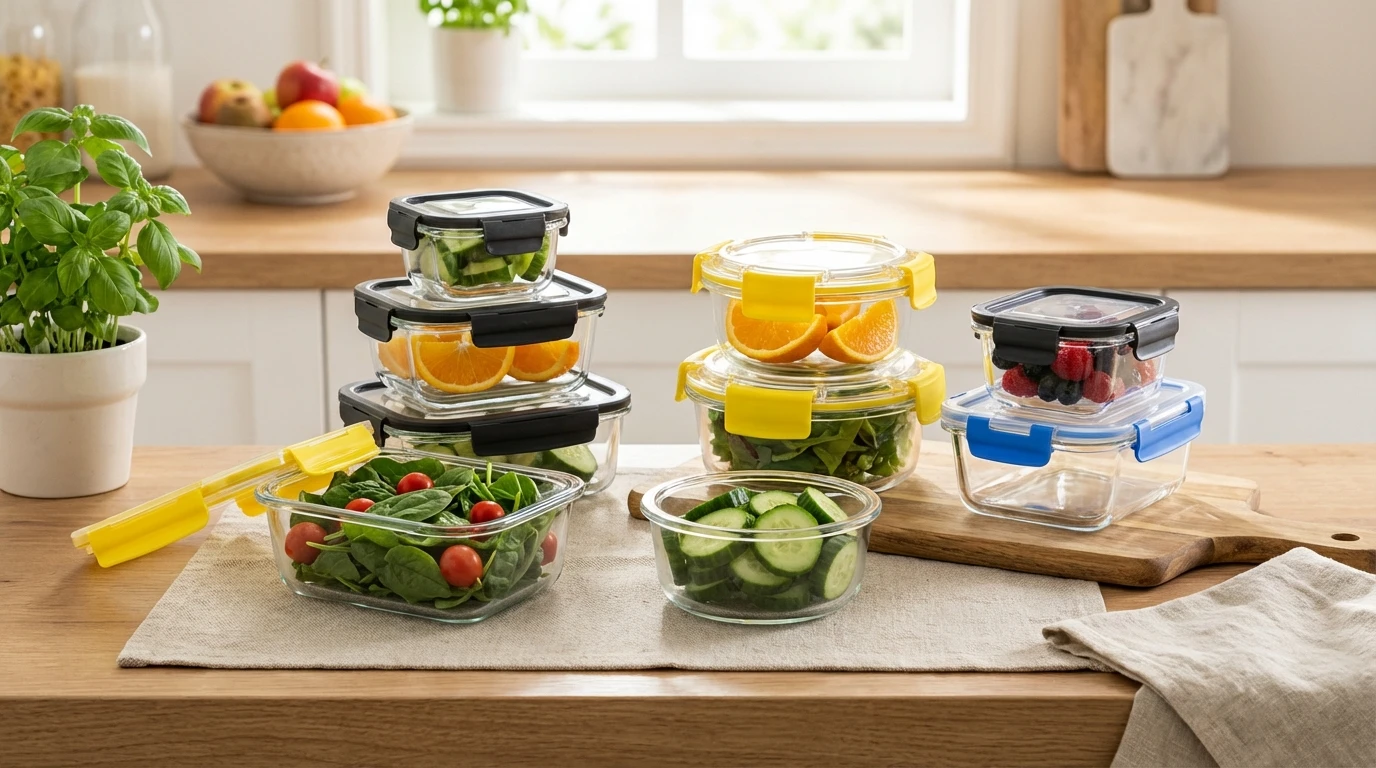
Durable Glass Food Storage Set - Safe & Sustainable Kitchen Solution
Why a glass food storage set makes all the difference
Having spent over a decade working around industrial equipment — and, yes, occasionally dealing with their tiny cousins in the kitchen — I've developed a keen eye for quality and practicality. Oddly enough, glass food storage sets have quietly become a staple in many industrial-grade canteens and staff kitchens I've visited. It feels like a small thing, but the material matters a lot.
Glass, you see, brings a level of durability and safety that plastic often just can't match. Many engineers and food safety experts I know swear by glass containers because they handle temperature shifts better and don’t leach chemicals — which is crucial both in industrial lunchrooms and high-demand food preparation areas.
In real terms, these sets are more than just containers. They’re about preserving food taste, avoiding odors, and genuinely reducing waste because you’re less likely to toss out stained or warped plastic boxes. Plus, you get a transparent, hygienic look that frankly appeals to the meticulous side of me.
Product specs: What you usually get in a typical glass food storage set
| Feature | Specification |
|---|---|
| Material | Borosilicate glass (heat & shock resistant) |
| Lid Type | BPA-free silicone with locking clips |
| Capacity | Varies – usually 4-6 pieces ranging 250ml to 1.2L |
| Microwave & Oven Safe | Yes, up to 450°F |
| Dishwasher Safe | Top rack recommended |
I remember a small factory where the break room initially stocked plastic containers, but workers repeatedly complained about odors and cracking lids. The switch to glass sets was a game changer: fewer replacements and happier workers who actually cared about their lunch prep. It’s a seemingly minor tweak but one that pays off in practicality and sustainability.
Glass Food Storage Vendors Compared
| Feature / Vendor | Yinto Glassware | Competitor A | Competitor B |
|---|---|---|---|
| Material Quality | High-grade borosilicate glass | Soda-lime glass (less durable) | Mixed quality, varies by batch |
| Lid Fit & Seal | Silicone gasket with clip locks | Snug silicone lid, no clips | Plastic snap lid, prone to warping |
| Thermal Resistance | Oven & microwave safe (up to 450°F) | Microwave safe only | Not recommended for oven use |
| Price (Mid-range) | $$$ | $$ | $ |
| Customization Options | Available for bulk orders | Limited options | No customization |
Frankly, it boils down to what you want to prioritize — cost or quality. I prefer the balance you get from vendors like Yinto Glassware. I noticed their products stand up better to daily industrial use, particularly in canteens where rugged handling is the norm.
For anyone curious about making the switch or investing in these, remember that testing and certification are key. Most suppliers will openly share their material standards and compliance with food safety regulations — a straightforward way to separate the wheat from the chaff. Personally, I always ask for third-party test results or compliance documentation; it’s worth the diligence.
So, whether it’s about your team’s lunch or supplying a workplace cafeteria, a quality glass food storage set is honestly a smart, sustainable pick. A bit more upfront cost than plastic, sure... but lasting longer, safer materials, and better for flavor retention? All wins in my book.
A quick tip from years of experience: always keep an eye on the silicone seals and replace them when they start to wear. It makes a surprising difference in leak prevention.
In short, glass food storage isn’t just a kitchen trend; it’s part of a broader move toward safer, smarter food handling everywhere.
References:
1. Food-grade Glass Safety Standards, Glass Packaging Institute (GPI)
2. Borosilicate Glass Thermal Tests, Industrial Lab Reports, 2022
3. Workplace Canteen Usage Survey, Industrial Equipment Journal, 2021
-
Ultimate Guide to Choosing Big Glass Storage Containers for Every NeedNewsApr.16,2026
-
Small Glass Lunch Containers Guide for Healthy Meal PrepNewsApr.09,2026
-
Comprehensive Guide to Choosing the Best Storage Containers for Dishes and GlassesNewsApr.07,2026
-
Selecting The Optimal 300ml Food Containers For Your Business NeedsNewsApr.04,2026
-
Discover the Benefits of Durable 3 Cup Glass Food Storage ContainersNewsMar.31,2026
-
Comprehensive Guide to Choosing Superior Glass Divided Food ContainersNewsMar.28,2026
![[Extra Large with Handle] Oven Safe Glass Food Storage Container with Airtight Locking Lid & Handle, Oven Safe Dishwasher Safe](https://images.exportstart.com/images/a1251/extra-larger-glass-container-with-snap-locking-lid-164.webp "[Extra Large with Handle] Oven Safe Glass Food Storage Container with Airtight Locking Lid & Handle, Oven Safe Dishwasher Safe")
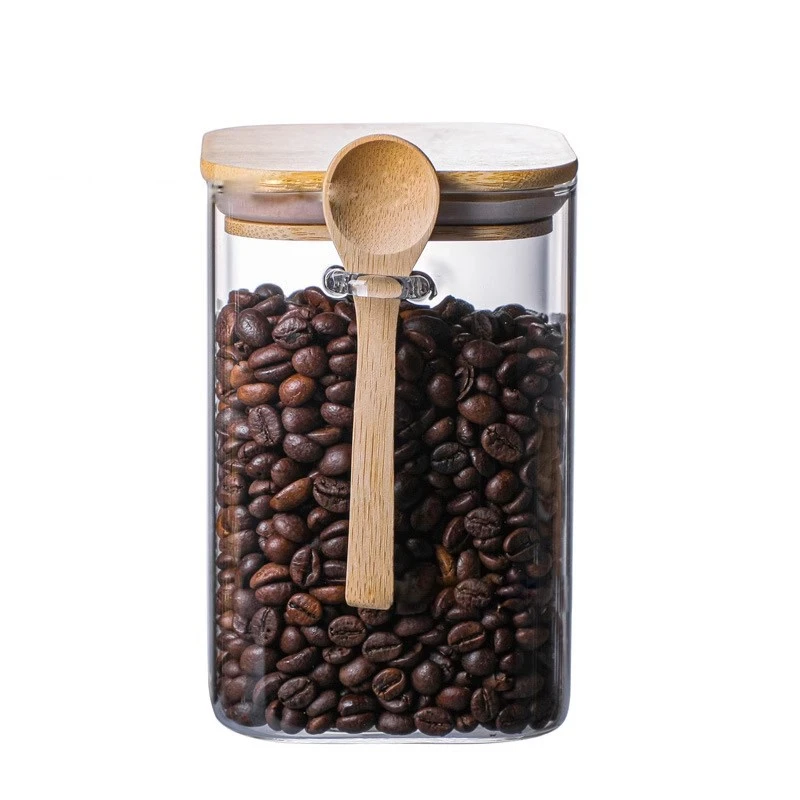
![[All Microwave Safe] High Borosilicate Glass Food Storage Container , Oven Safe without Lid, Dishwasher Safe](https://images.exportstart.com/images/a1251/squre-glass-container-with-glass-lid-518.webp "[All Microwave Safe] High Borosilicate Glass Food Storage Container , Oven Safe without Lid, Dishwasher Safe")
![[Sliding Vent PP Lid] Borosilicate Glass Food Storage Containers with Food-grade Plastic Lid, Airtight, Leak Resistant](https://images.exportstart.com/images/a1251/glass-food-storage-container-with-airtight-lid-183.webp "[Sliding Vent PP Lid] Borosilicate Glass Food Storage Containers with Food-grade Plastic Lid, Airtight, Leak Resistant")
![[Large Skylight Glass Lid] Glass Food Storage Container, Oven Safe with Lid, BPA Free, 100% Leak resistant](https://images.exportstart.com/images/a1251/glass-lid-food-storage-container-1-1-196.webp "[Large Skylight Glass Lid] Glass Food Storage Container, Oven Safe with Lid, BPA Free, 100% Leak resistant")
![[Colorful Vent PP Lid] Glass Food Storage Container, BPA Free, Leakproof, Dishwasher Safe](https://images.exportstart.com/images/a1251/002-1-639.webp "[Colorful Vent PP Lid] Glass Food Storage Container, BPA Free, Leakproof, Dishwasher Safe")
![[Color Vent PP Lid] Borosilicate Glass Food Storage Container, Leakproof, Dishwasher Safe](https://images.exportstart.com/images/a1251/1-941.webp "[Color Vent PP Lid] Borosilicate Glass Food Storage Container, Leakproof, Dishwasher Safe")
![[Vacuum AS] Food Storage Container with Pump](https://images.exportstart.com/images/a1251/7-1-397.webp "[Vacuum AS] Food Storage Container with Pump")