 TEL: +86 18903393212
 Email: tina@yintoglassware.com

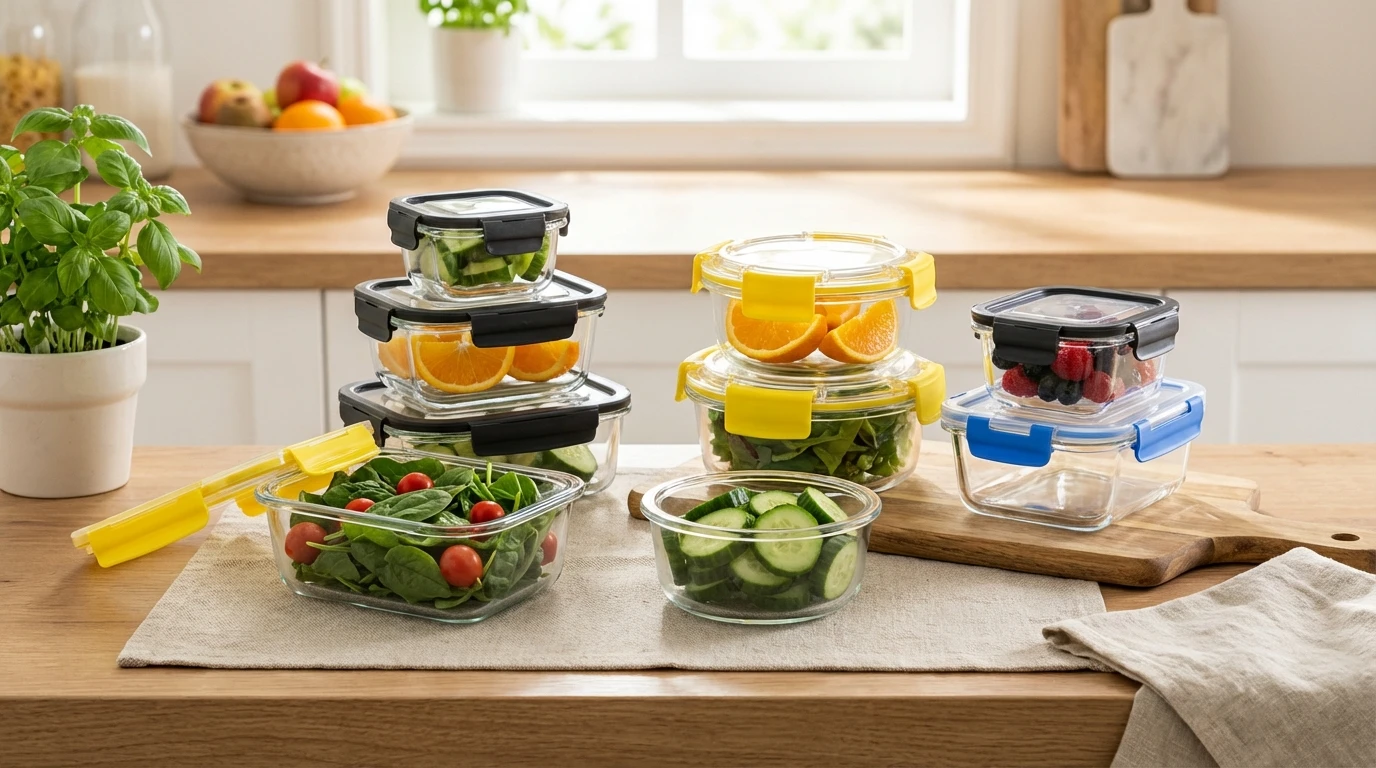
Durable and Sustainable Borosilicate Glass Bottles for Industrial and Humanitarian Use
Understanding Borosilicate Glass Bottles: A Small Revolution in Material Science
At first glance, a borosilicate glass bottle might seem like just another container on the shelf. But if you pause to think about it, this little vessel is a quiet marvel, bridging sophisticated chemistry with everyday needs — from lab experiments to pandemic relief efforts. Around the world, the keen interest in durable, heat-resistant, and sustainable packaging has never been stronger. So why does the borosilicate glass bottle matter globally? Mainly because its unique composition provides unmatched reliability where other materials falter—high temperatures, chemical exposure, or rough handling. Understanding these benefits means not just picking the right bottle but embracing a product that supports innovation, safety, and environmental responsibility.
Why the World is Turning to Borosilicate Glass Bottles
Globally, the glass industry is shifting. The World Bank reports rising demand for resilient packaging, especially in emerging markets where heat conditions and chemical stability are critical. ISO standards have increasingly recognized borosilicate glass for lab, pharmaceutical, and beverage use due to its superior durability and low thermal expansion. Yet at the same time, manufacturers wrestle with challenges like cost and fragility during transport. The question is: how do you combine borosilicate’s excellent properties with scalable, cost-effective production? This bottle isn’t just a container; it’s a frontline material solving real-world challenges in health, science, and industry.
Defining the Borosilicate Glass Bottle
Simply put, a borosilicate glass bottle is crafted from glass containing silica and boron trioxide as primary constituents. This combination reduces the material’s thermal expansion drastically — meaning it won’t crack under rapid temperature changes as normal glass might. This feature makes it prized by chemists and engineers alike. From modern industry to emergency medical kits, these bottles deliver a container that resists heat, chemical corrosion, and time itself.
For humanitarian aid, for example, these bottles are indispensable. The stability of the glass means safer transport of medicines to remote regions, while in laboratories worldwide, it supports precise experiments without contamination or temperature-related failures.
Core Features That Make Borosilicate Glass Bottles Stand Out
1. Durability & Thermal Resistance
The first standout is the low thermal expansion coefficient — about 3.3 × 10⁻⁶ /°C, compared to the 9 × 10⁻⁶ /°C typical of soda-lime glass. This transforms into bottles capable of weathering boiling liquid, autoclaving sterilization, or sudden cold shocks without cracking. Engineers often marvel at this performance, especially when switching from plastic or metal containers that can warp or corrode.
2. Chemical Resistance
Borosilicate glass is highly resistant to acids, bases, and solvents — a key benefit in pharmaceutical or laboratory settings. That chemical inertness means contents stay pure, and the bottle doesn't degrade even over long storage times.
3. Sustainability & Reusability
Unlike single-use plastics, these glass bottles are infinitely recyclable and can be sterilized and reused countless times without losing integrity. This aligns with global trends toward reducing waste and embracing circular economies.
4. Cost Efficiency Over Time
While the upfront cost is higher than typical glass or plastic bottles, the long life cycle and resistance to damage lead to lower total ownership costs. In industrial or field use, that’s often the crucial factor.
5. Scalability of Design and Sizes
Manufacturers can produce borosilicate bottles in many sizes — from small lab vials to large medical infusion containers — suiting a broad range of needs. This adaptability makes them relevant globally, across industries and use cases.
Mini takeaway:
These core components collectively explain why borosilicate glass bottles are the preferred choice in high-precision, safety-critical applications worldwide.
Where are Borosilicate Glass Bottles Used Globally?
- Pharmaceutical & Laboratory Settings: Laboratories depend on them for reagent storage, sterilization, and incubation phases.
- Food & Beverage Industry: High-grade juice or specialty beverages use them for taste preservation and premium branding.
- Humanitarian Aid: Post-disaster water treatment and sterilized medicine distribution especially in Africa and Asia rely on such robust containers.
- Industrial Applications: Chemical plants and remote extraction sites depend on borosilicate bottles for transporting volatile or corrosive materials safely.
- Consumer Goods: Aromatherapy oils, cosmetics, and artisanal spirits find the bottles’ clarity and durability ideal for aesthetics and functionality.
For instance, after the 2015 Nepal earthquake, aid organizations adopted borosilicate bottles extensively, recognizing their capability to withstand rough delivery conditions and extreme temperature variations in mountainous regions — an often overlooked but crucial factor to avoid contamination.
What Makes Borosilicate Glass Bottles a Worthwhile Investment?
Beyond the obvious technical perks, these bottles represent long-term savings due to their reusability and resilience. Socially, their robust nature promotes safety and dignity: clean water, uncontaminated medicine, and assured handling — critical for health outcomes. On the innovation front, using such bottles signals a commitment to quality that fosters trust from consumers and agencies alike.
Product Specification at a Glance
| Specification | Details |
|---|---|
| Material Composition | Silica (70-80%), Boron Trioxide (7-13%) |
| Thermal Expansion Coefficient | ~3.3 × 10⁻⁶ /°C |
| Temperature Resistance | -60°C to +450°C (continuous) |
| Chemical Resistance | Highly resistant to acids and alkalis |
| Reusable/Sterilizable | Yes, multiple cycles including autoclaving |
| Packaging Options | Custom sizes, caps, and coatings available |
A Quick Comparison of Leading Borosilicate Bottle Vendors
| Vendor | Price Range (USD) | Customization | Global Shipping | Sustainability Certifications |
|---|---|---|---|---|
| Yinto Glassware | $1.50 - $12.00 | Full custom sizes & fittings | Yes | ISO 14001, RoHS |
| ChemGlass Co. | $2.00 - $15.00 | Limited custom designs | Selective regions | ISO 9001 |
| GlobalGlass Supplies | $1.20 - $10.00 | Standard sizes only | Available worldwide | None reported |
Looking Ahead: Innovations on the Borosilicate Horizon
The future looks bright, or rather, crystal clear. Researchers work on making borosilicate glass even tougher and lighter. Integrating nano-coatings to add antimicrobial surfaces could revolutionize sterile storage—vital during health crises. Automation in manufacturing is speeding up production, reducing costs, and boosting consistency. Sustainability pushes are encouraging the entire supply chain to lower carbon footprints by sourcing renewable energy or recycling scrap efficiently. I’ve seen companies experimenting with hybrid glass-plastic composites too — combining the best of both worlds without compromising chemical resistance.
Common Challenges and How Experts Tackle Them
Of course, borosilicate bottles aren’t perfect. Their inherent fragility compared to plastics makes transport tricky, especially in areas with limited packaging infrastructure. Cost remains a sticking point for some industries used to cheap disposables. But innovators like Yinto Glassware have expanded custom packaging solutions that include shock-absorbing inserts and bulk shipment containers, making logistics surprisingly manageable. Advances in manufacturing have also driven prices down by increasing yields and automating quality control — a trend we expect to continue.
FAQ: Frequently Asked Questions About Borosilicate Glass Bottles
- What makes borosilicate glass bottle better than regular glass bottles?
- It’s all about thermal resistance and chemical durability. Borosilicate glass resists sudden temperature changes and aggressive substances far better than soda-lime glass, making it safer in lab, medical, and industrial contexts.
- Can these bottles be reused safely in food and pharma?
- Absolutely. Borosilicate glass bottles are designed for repeated sterilization cycles without degradation, keeping contents pure and meeting rigorous industry standards.
- Are borosilicate glass bottles environmentally friendly?
- Yes, they are recyclable and support sustainable reuse cycles compared to plastics, contributing to waste reduction and lower long-term environmental impact.
- How do I import borosilicate glass bottles internationally for my NGO’s medical projects?
- Most vendors provide global shipping options, and many comply with ISO and RoHS certifications easing customs clearance. Working with a supplier experienced in humanitarian logistics, such as Yinto Glassware, can simplify the process significantly.
In Conclusion: Why Borosilicate Glass Bottles Deserve Your Attention
Choosing a borosilicate glass bottle is more than just picking packaging; it’s an investment in durability, safety, and sustainability that pays off over time. Their chemical resilience, thermal stability, and global applications—from labs to disaster zones—make these bottles an unsung hero in industries that matter. So next time you’re considering options for safe, long-lasting containers, I recommend looking closely at this material. To explore our range and learn more, don’t hesitate to visit our website. It’s where science meets real-world solutions.
Quick recap:
- Borosilicate glass bottles excel in thermal and chemical resistance.
- They support sustainability goals with reusability and recyclability.
- Industries worldwide rely on them—from pharma to humanitarian aid.
- Future innovations and smarter logistics continue to lower barriers.
References:
-
Ultimate Guide to Choosing Big Glass Storage Containers for Every NeedNewsApr.16,2026
-
Small Glass Lunch Containers Guide for Healthy Meal PrepNewsApr.09,2026
-
Comprehensive Guide to Choosing the Best Storage Containers for Dishes and GlassesNewsApr.07,2026
-
Selecting The Optimal 300ml Food Containers For Your Business NeedsNewsApr.04,2026
-
Discover the Benefits of Durable 3 Cup Glass Food Storage ContainersNewsMar.31,2026
-
Comprehensive Guide to Choosing Superior Glass Divided Food ContainersNewsMar.28,2026
![[Extra Large with Handle] Oven Safe Glass Food Storage Container with Airtight Locking Lid & Handle, Oven Safe Dishwasher Safe](https://images.exportstart.com/images/a1251/extra-larger-glass-container-with-snap-locking-lid-164.webp "[Extra Large with Handle] Oven Safe Glass Food Storage Container with Airtight Locking Lid & Handle, Oven Safe Dishwasher Safe")
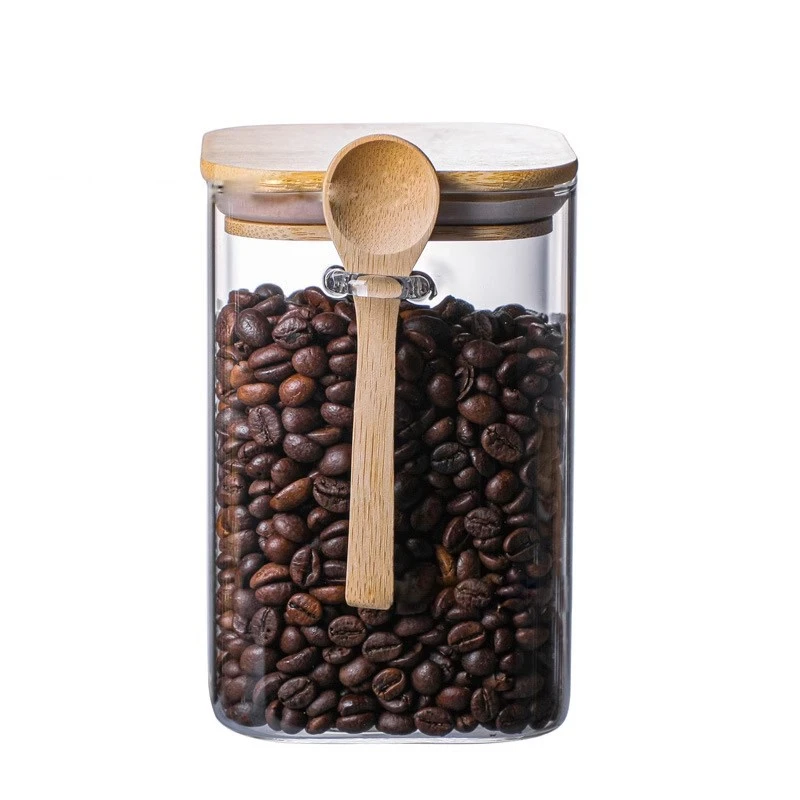
![[All Microwave Safe] High Borosilicate Glass Food Storage Container , Oven Safe without Lid, Dishwasher Safe](https://images.exportstart.com/images/a1251/squre-glass-container-with-glass-lid-518.webp "[All Microwave Safe] High Borosilicate Glass Food Storage Container , Oven Safe without Lid, Dishwasher Safe")
![[Sliding Vent PP Lid] Borosilicate Glass Food Storage Containers with Food-grade Plastic Lid, Airtight, Leak Resistant](https://images.exportstart.com/images/a1251/glass-food-storage-container-with-airtight-lid-183.webp "[Sliding Vent PP Lid] Borosilicate Glass Food Storage Containers with Food-grade Plastic Lid, Airtight, Leak Resistant")
![[Large Skylight Glass Lid] Glass Food Storage Container, Oven Safe with Lid, BPA Free, 100% Leak resistant](https://images.exportstart.com/images/a1251/glass-lid-food-storage-container-1-1-196.webp "[Large Skylight Glass Lid] Glass Food Storage Container, Oven Safe with Lid, BPA Free, 100% Leak resistant")
![[Colorful Vent PP Lid] Glass Food Storage Container, BPA Free, Leakproof, Dishwasher Safe](https://images.exportstart.com/images/a1251/002-1-639.webp "[Colorful Vent PP Lid] Glass Food Storage Container, BPA Free, Leakproof, Dishwasher Safe")
![[Color Vent PP Lid] Borosilicate Glass Food Storage Container, Leakproof, Dishwasher Safe](https://images.exportstart.com/images/a1251/1-941.webp "[Color Vent PP Lid] Borosilicate Glass Food Storage Container, Leakproof, Dishwasher Safe")
![[Vacuum AS] Food Storage Container with Pump](https://images.exportstart.com/images/a1251/7-1-397.webp "[Vacuum AS] Food Storage Container with Pump")