 TEL: +86 18903393212
 Email: tina@yintoglassware.com

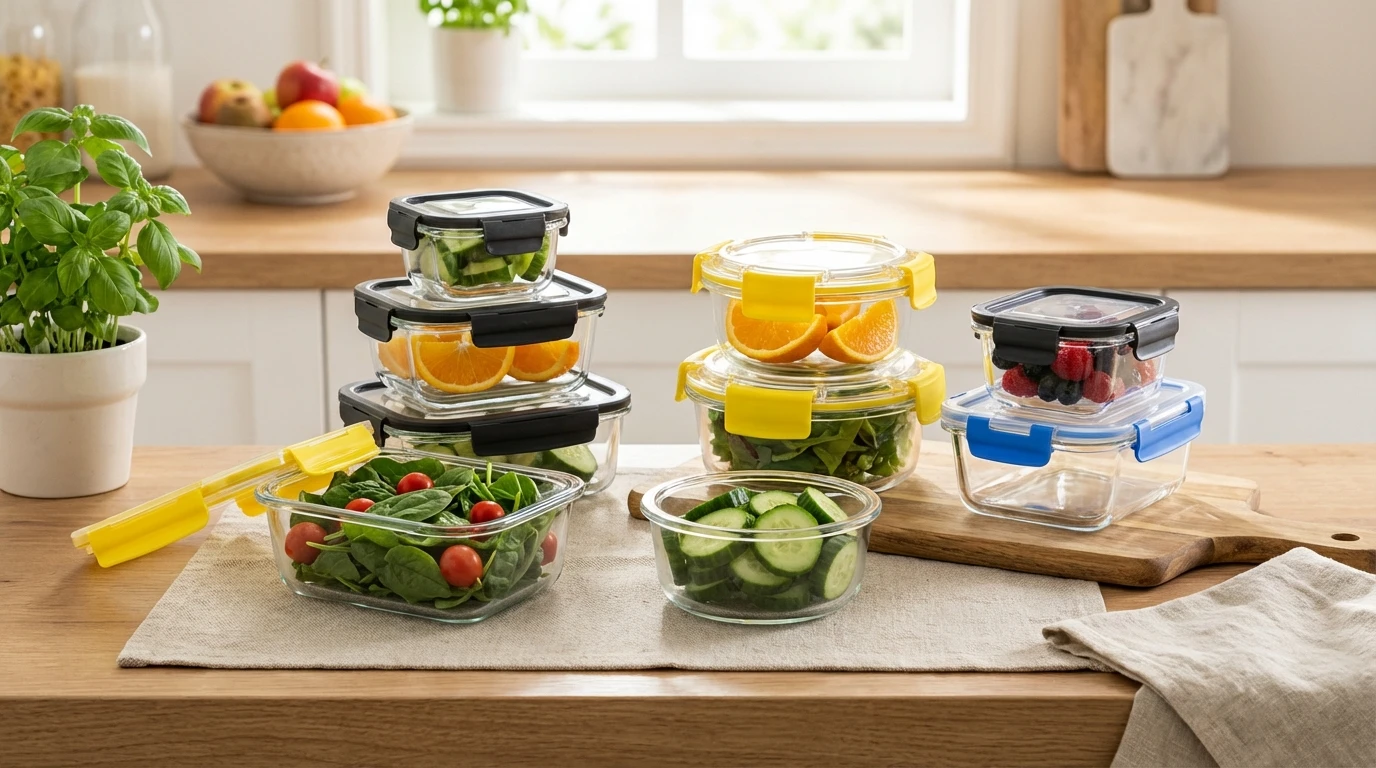
1 Ltr Glass Bottle: Sustainable Packaging for Modern Industry & Beyond
Exploring the Impact of the 1 Ltr Glass Bottle: More Than Just a Container
It’s fascinating how something as seemingly simple as a 1 ltr glass bottle holds global significance in industries ranging from beverages to pharmaceuticals. At first glance, it might just seem like everyday packaging, but delve a little deeper, and you’ll see it’s about sustainability, safety, and efficient resource use worldwide. Understanding these containers is crucial because they bridge consumer needs, industrial requirements, and environmental concerns all at once.
Why the 1 Ltr Glass Bottle Matters Globally
According to data from the World Bank and ISO standards, global packaging demand surges each year—largely because of increased consumption and urbanization. Glass bottles specifically represent over 20% of worldwide packaging material consumption in certain sectors. But why does the 1-liter size matter? It’s a sweet spot for individual or family consumption—big enough to reduce frequent packaging waste but still manageable for handling and storage.
Yet, behind their utility lies a challenge: creating glass containers that are strong yet lightweight, reusable yet cost-effective, and environmentally responsible enough to replace single-use plastics more broadly. This small bottle is almost a frontline contender in that battle.
Defining the 1 Ltr Glass Bottle
At its simplest, a 1 ltr glass bottle is a container made of silica-based glass, designed to hold exactly one liter of liquid. Unlike plastic or metal counterparts, glass offers non-reactivity, purity, and the ability to be recycled endlessly without quality loss. Whether you’re bottling olive oil, cold-pressed juices, or pharmaceutical syrups, the 1-liter format serves diverse modern industry needs: from safely preserving contents to ensuring consistent portion sizes.
Interestingly, glass bottles date back centuries, but their current relevance is driven by modern tech tweaks—improved glass formulas, better thermal shock resistance, and refined surface treatments that extend usability.
Key Factors That Make the 1 Ltr Glass Bottle Stand Out
Durability and Safety
Durability is crucial. Many engineers I’ve spoken with emphasize tempered glass or borosilicate options for enhanced strength. After all, in transport and retail environments, breakage risk is a top concern. Plus, glass's inert nature means no chemicals leach into liquids—a reassurance for health-conscious consumers.
Eco-Friendliness and Recyclability
Unlike plastics, glass is 100% recyclable indefinitely without losing purity or strength. Some manufacturers now rely on closed-loop recycling systems, cutting down on the carbon footprint dramatically. Given rising regulations on single-use plastics in EU, US, and Asia Pacific markets, this aspect can’t be understated.
Versatile Design and Customization
The 1 ltr glass bottle blends function with style. Labels, embossing, or color tinting allow brand differentiation. Some producers even offer custom shapes tailored to product handling or shelf appeal, which gives brands an edge in crowded markets.
Cost-Efficiency over Time
Though initial costs are higher than plastic, longevity and reusability often lead to lower overall lifecycle expenses. Logistics savings emerge from reduced packaging waste and fewer replacements—a point many supply chain managers repeatedly confirm.
Temperature & Chemical Resistance
Glass stands up well to varying temperatures, which suits industries like pharmaceuticals and specialty beverages needing sterilization or cold-chain logistics. Resistance to acid or alkali media means fewer compatibility headaches.
Practical Global Applications of the 1 Ltr Glass Bottle
Across continents, the 1-liter glass bottle finds its place:
- Europe: Premium olive oils and artisanal juices rely heavily on this size. Italy and Spain’s production is notable for elegant, eco-conscious packaging.
- Asia: Growing middle classes in India and China favor glass for health-focused beverages, amid rising plastic concerns.
- North America: Craft breweries and specialty food producers increasingly use glass for brand storytelling and sustainable practices.
- Humanitarian Use: NGOs deploying clean water aid or medical supplies prefer glass for its sterility and reusable nature—especially in disaster zones where safety and dignity matter.
In remote industrial zones, for example, specialized glass bottles protect sensitive liquids needed onsite, ensuring reliability even under harsh conditions.
Mini takeaway: The 1 ltr glass bottle navigates diverse needs from luxury to lifesaving—its global reach is impressive and growing.
Advantages and Long-Term Value of Choosing Glass
There’s something deeply reassuring about drinking from glass—no subtle plastic aftertaste. Beyond aesthetics, tangible benefits include:
- Environmental sustainability: Reduced landfill impact, recycling closed loops.
- Consumer trust and brand integrity: Glass signals purity and quality.
- Economic efficiency: In large production runs, economies of scale make it cost-effective.
- Social impact: Safer containers reduce health risks, which improves community welfare.
Frankly, the emotional feel of glass connects to trust and dignity, especially important when distributing medical or potable liquids in sensitive contexts.
Future Trends Shaping the 1 Ltr Glass Bottle
Looking ahead, innovation is buzzing around lightweight glass formulations and smart packaging. Imagine embedded sensors for freshness or QR codes that securely trace bottle origins—this is becoming reality with the rise of the digital supply chain.
Green energy use in glass manufacturing, like electric furnaces powered by renewables, is also making the carbon footprint plummet. Automation in production ensures consistent quality and drives down costs.
Plus, policy nudges worldwide are big drivers. Extended Producer Responsibility (EPR) laws in the EU mean brands must pick smarter packaging now, pushing glass into priority zones.
Overcoming Challenges: What's Holding Back Wider Adoption?
Glass isn’t perfect. Issues like weight, breakability, and higher upfront costs still deter some manufacturers. Transportation requires careful handling, which can increase logistics costs unexpectedly.
But ingenious solutions are emerging: modular packaging lines designed for glass, cushioning inserts, and even hybrid packaging where glass is combined with protective outer shells.
Many packaging experts advise investing early in supply chain redesign to reap long-term savings and sustainability dividends.
FAQ About the 1 Ltr Glass Bottle
- What makes a 1 ltr glass bottle better than plastic for beverages?
- Glass is chemically inert, so it doesn’t alter taste or leach toxins. It’s fully recyclable without quality loss, and consumers often perceive it as premium and eco-friendly.
- How long can a glass bottle be reused safely?
- With proper cleaning, glass bottles can be reused hundreds of times, which far exceeds typical plastic bottle lifespans. This makes them ideal for refill and return systems.
- Is customizing 1 ltr glass bottles cost-effective for small brands?
- While customization adds cost, even small batch producers can access molds or label innovations to create distinctive packaging that stands out and conveys quality.
- How do glass bottles contribute to sustainability goals?
- They reduce plastic pollution, support circular economies through endless recycling, and their production is increasingly powered by green energy, lowering carbon footprints.
- Are 1 ltr glass bottles safe for pharmaceutical liquids?
- Yes, glass’s resistance to chemicals and ability to withstand sterilization makes it a preferred choice for storing sensitive pharmaceutical products safely.
1 Ltr Glass Bottle Product Specification Table
| Specification | Details |
|---|---|
| Material | Soda-lime glass / Borosilicate option |
| Capacity | 1 Liter (1000 ml) |
| Weight | Approx. 500–600 grams (varies by design) |
| Colors | Clear, Amber, Green, Custom tints |
| Neck Finish | Standard threaded or cork-compatible |
| Recyclability | 100%, infinitely recyclable |
Comparing Vendors for 1 Ltr Glass Bottles
| Vendor | Material Quality | Customization Options | Sustainability Initiatives | Typical Lead Time |
|---|---|---|---|---|
| Yinto Glassware | Borosilicate & premium soda-lime | Embossing, custom colors, shapes | Closed-loop recycling & green energy use | 4–6 weeks |
| GlassPro Inc. | Standard soda-lime | Limited label printing only | Recycling partnerships plus offsets | 6–8 weeks |
| EcoBottle Solutions | Recycled glass material focus | Custom shapes & screen printing | 100% recycled glass, low-energy production | 5–7 weeks |
Final Thoughts
When I consider the humble 1 ltr glass bottle, what stands out is its perfect blend of tradition and innovation. It’s not just a container; it’s a cornerstone of sustainability and brand identity worldwide. As more companies and consumers pivot toward greener choices, these bottles gain new relevance. They elegantly address global packaging challenges: cutting waste, ensuring safety, and fostering circular economies.
Curious to explore high-quality 1-liter glass bottles and how they can elevate your packaging needs? Feel free to check out Yinto Glassware’s collection—their expertise turns everyday glass into an experience.
Mini takeaway? The future is bright, clear, and glassy. And it’s about more than just a bottle.
References:
-
Ultimate Guide to Choosing Big Glass Storage Containers for Every NeedNewsApr.16,2026
-
Small Glass Lunch Containers Guide for Healthy Meal PrepNewsApr.09,2026
-
Comprehensive Guide to Choosing the Best Storage Containers for Dishes and GlassesNewsApr.07,2026
-
Selecting The Optimal 300ml Food Containers For Your Business NeedsNewsApr.04,2026
-
Discover the Benefits of Durable 3 Cup Glass Food Storage ContainersNewsMar.31,2026
-
Comprehensive Guide to Choosing Superior Glass Divided Food ContainersNewsMar.28,2026
![[Extra Large with Handle] Oven Safe Glass Food Storage Container with Airtight Locking Lid & Handle, Oven Safe Dishwasher Safe](https://images.exportstart.com/images/a1251/extra-larger-glass-container-with-snap-locking-lid-164.webp "[Extra Large with Handle] Oven Safe Glass Food Storage Container with Airtight Locking Lid & Handle, Oven Safe Dishwasher Safe")
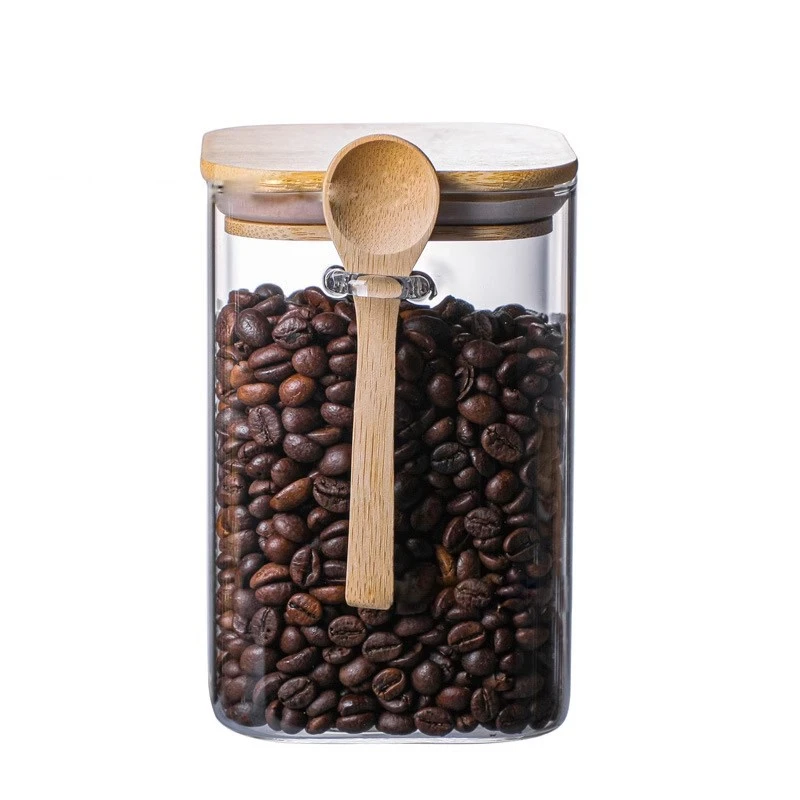
![[All Microwave Safe] High Borosilicate Glass Food Storage Container , Oven Safe without Lid, Dishwasher Safe](https://images.exportstart.com/images/a1251/squre-glass-container-with-glass-lid-518.webp "[All Microwave Safe] High Borosilicate Glass Food Storage Container , Oven Safe without Lid, Dishwasher Safe")
![[Sliding Vent PP Lid] Borosilicate Glass Food Storage Containers with Food-grade Plastic Lid, Airtight, Leak Resistant](https://images.exportstart.com/images/a1251/glass-food-storage-container-with-airtight-lid-183.webp "[Sliding Vent PP Lid] Borosilicate Glass Food Storage Containers with Food-grade Plastic Lid, Airtight, Leak Resistant")
![[Large Skylight Glass Lid] Glass Food Storage Container, Oven Safe with Lid, BPA Free, 100% Leak resistant](https://images.exportstart.com/images/a1251/glass-lid-food-storage-container-1-1-196.webp "[Large Skylight Glass Lid] Glass Food Storage Container, Oven Safe with Lid, BPA Free, 100% Leak resistant")
![[Colorful Vent PP Lid] Glass Food Storage Container, BPA Free, Leakproof, Dishwasher Safe](https://images.exportstart.com/images/a1251/002-1-639.webp "[Colorful Vent PP Lid] Glass Food Storage Container, BPA Free, Leakproof, Dishwasher Safe")
![[Color Vent PP Lid] Borosilicate Glass Food Storage Container, Leakproof, Dishwasher Safe](https://images.exportstart.com/images/a1251/1-941.webp "[Color Vent PP Lid] Borosilicate Glass Food Storage Container, Leakproof, Dishwasher Safe")
![[Vacuum AS] Food Storage Container with Pump](https://images.exportstart.com/images/a1251/7-1-397.webp "[Vacuum AS] Food Storage Container with Pump")