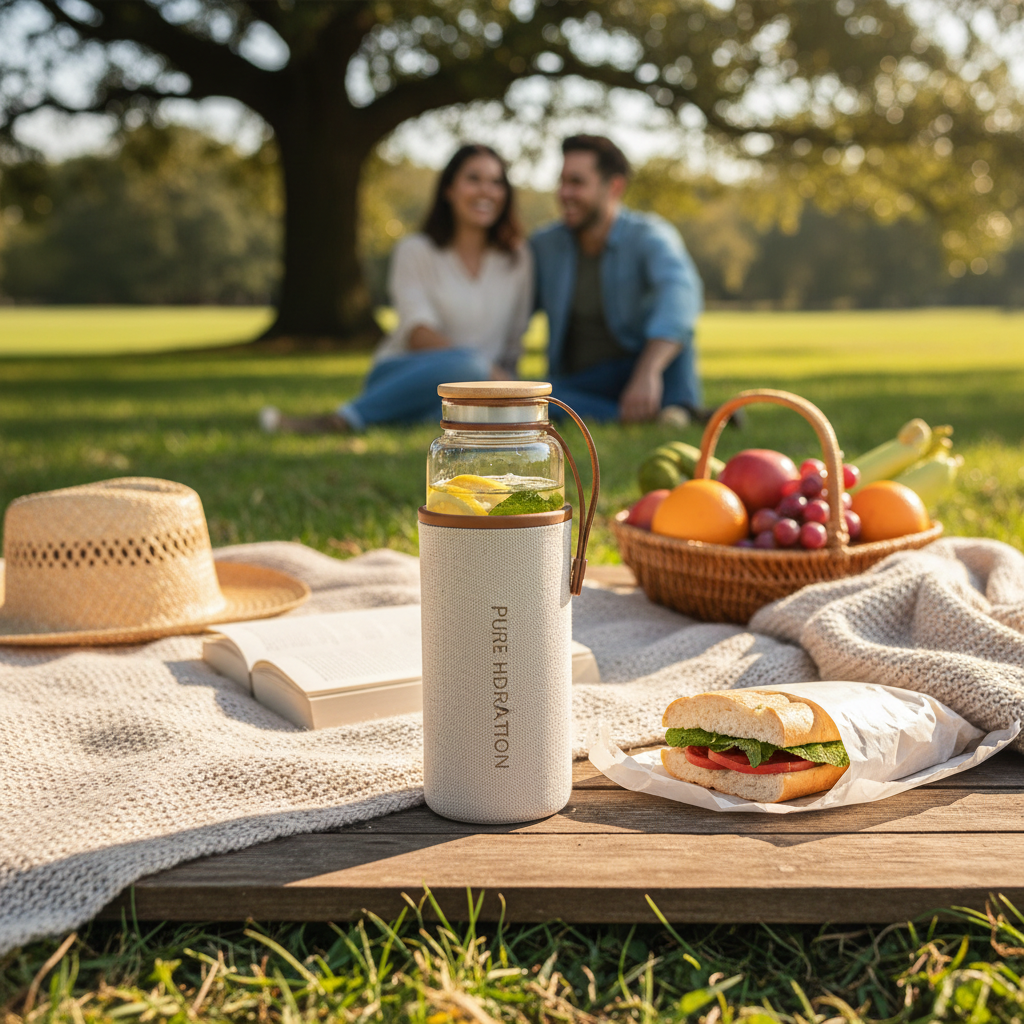
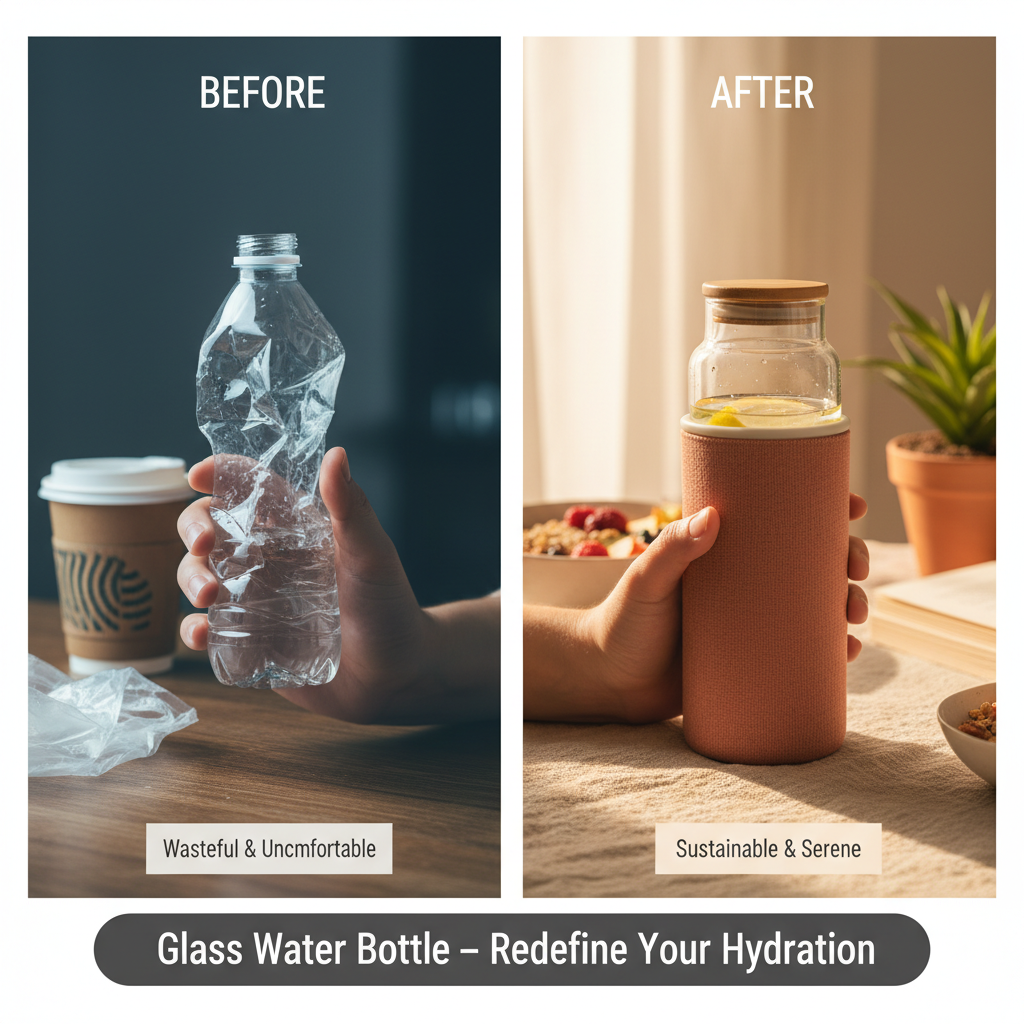
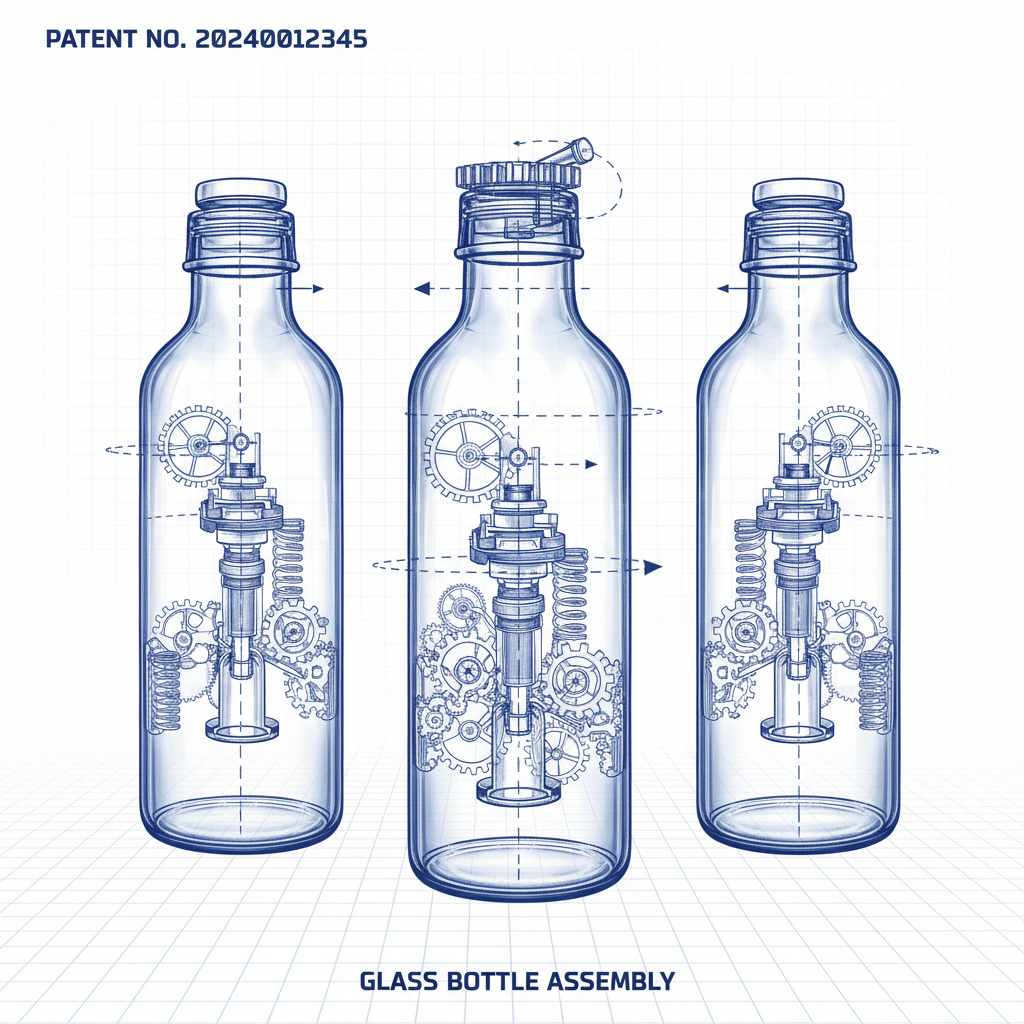
The modern quest for sustainable hydration has led to a significant shift in consumer behavior, moving away from single-use plastics toward durable, non-toxic alternatives. Among these, the shatterproof glass water bottle stands out as a premium solution that combines the purity of glass with the resilience required for an active lifestyle. By eliminating the risk of sudden breakage and the chemical leaching associated with plastics, these bottles provide a safe, eco-friendly way to maintain hydration throughout the day.
Globally, the demand for high-performance drinkingware is driven by an increasing awareness of endocrine disruptors like BPA and phthalates found in traditional polymers. The introduction of tempered and reinforced glass technologies has transformed the shatterproof glass water bottle from a niche luxury item into a practical necessity for health-conscious individuals. Whether in a corporate office, a gym, or during outdoor exploration, the ability to trust one's vessel not to shatter upon impact is a critical value proposition.
Understanding the engineering behind these products is essential for consumers and procurement specialists alike. From the molecular restructuring during the tempering process to the integration of protective silicone sleeves, every detail is designed to enhance longevity. This guide explores the technical benchmarks, practical applications, and future innovations of the shatterproof glass water bottle, providing a comprehensive look at why it is the superior choice for contemporary drinkingware.
Global Impact and the Rise of Shatterproof Glass
The global transition toward "zero-waste" lifestyles has placed immense pressure on the manufacturing sector to produce alternatives to plastic. According to ISO standards regarding material safety and sustainability, the adoption of borosilicate and tempered glass has spiked as urban populations seek a balance between aesthetic appeal and rugged utility. The shatterproof glass water bottle addresses the primary pain point of traditional glassware: fragility.
By implementing advanced thermal treatment processes, manufacturers can now produce drinkingware that withstands significant mechanical shock. This innovation is not merely about convenience; it is a response to a global health crisis where microplastics have been detected in human blood and tissues. Transitioning to a shatterproof glass solution allows users to enjoy the inert properties of glass without the constant anxiety of breakage in high-traffic environments.
Defining the Engineering of Shatterproof Glass
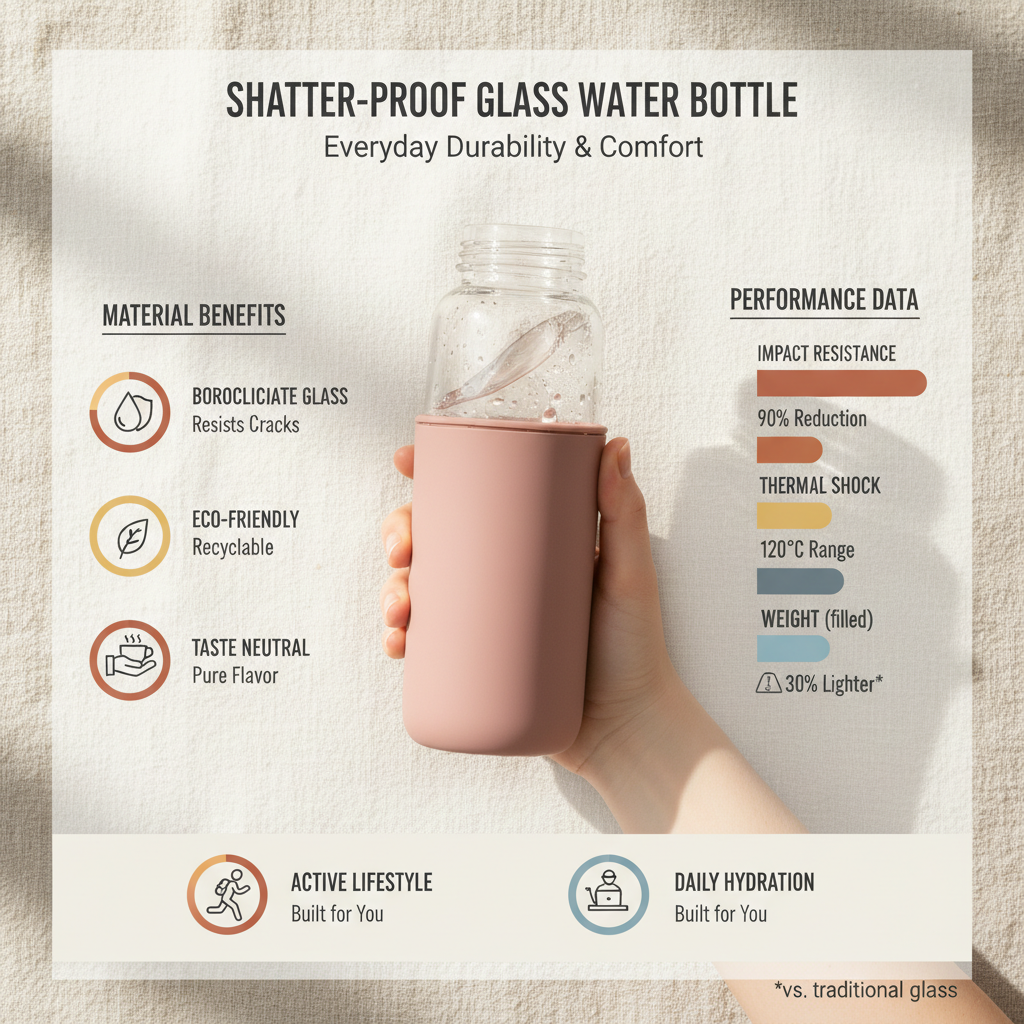
At its core, a shatterproof glass water bottle is not simply "thick glass," but rather glass that has undergone a specific physical transformation. Through a process called tempering, the glass is heated to extreme temperatures and then cooled rapidly. This creates internal stresses—compression on the surface and tension in the center—which make the material significantly stronger than standard annealed glass.
Furthermore, the use of borosilicate glass, which contains boron trioxide, allows the bottle to handle rapid temperature fluctuations (thermal shock) without cracking. This means a user can pour boiling water into their bottle and then place it in a cold environment without the structural failure typically seen in cheaper glass alternatives. This synergy of chemistry and physics defines the modern standard for premium hydration gear.
In the context of modern humanitarian and industrial needs, these bottles ensure that clean drinking water can be transported safely without the risk of shards contaminating the liquid or causing injury to the user. This makes the shatterproof design an essential evolution in the "Drinkingware Series," bridging the gap between the elegance of a glass bowl set and the ruggedness of industrial equipment.
Core Components of Durability and Safety
The primary pillar of a shatterproof glass water bottle is its structural integrity. Unlike plastic, which degrades over time and absorbs odors, reinforced glass remains chemically inert. This ensures that the taste of the water remains pure, regardless of whether the bottle is storing alkaline water, infused detox drinks, or simple filtered tap water.
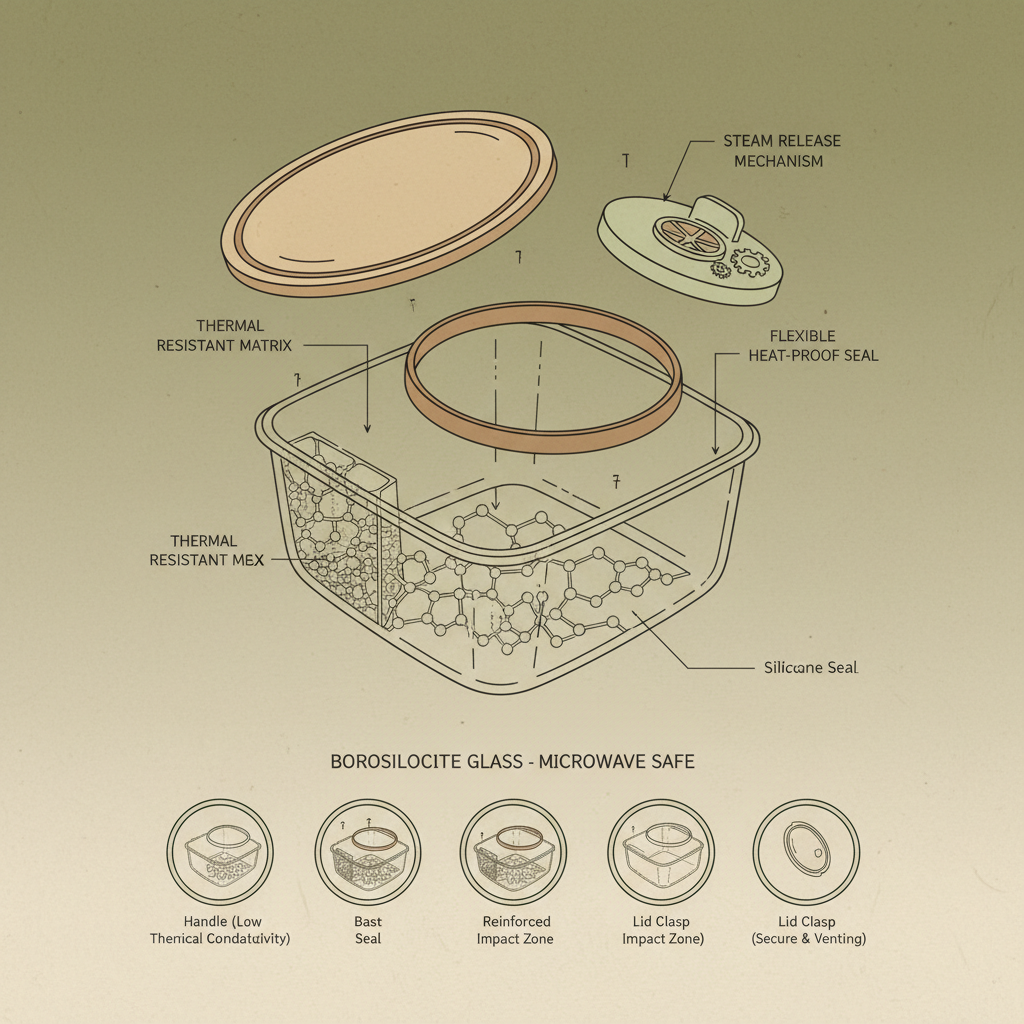
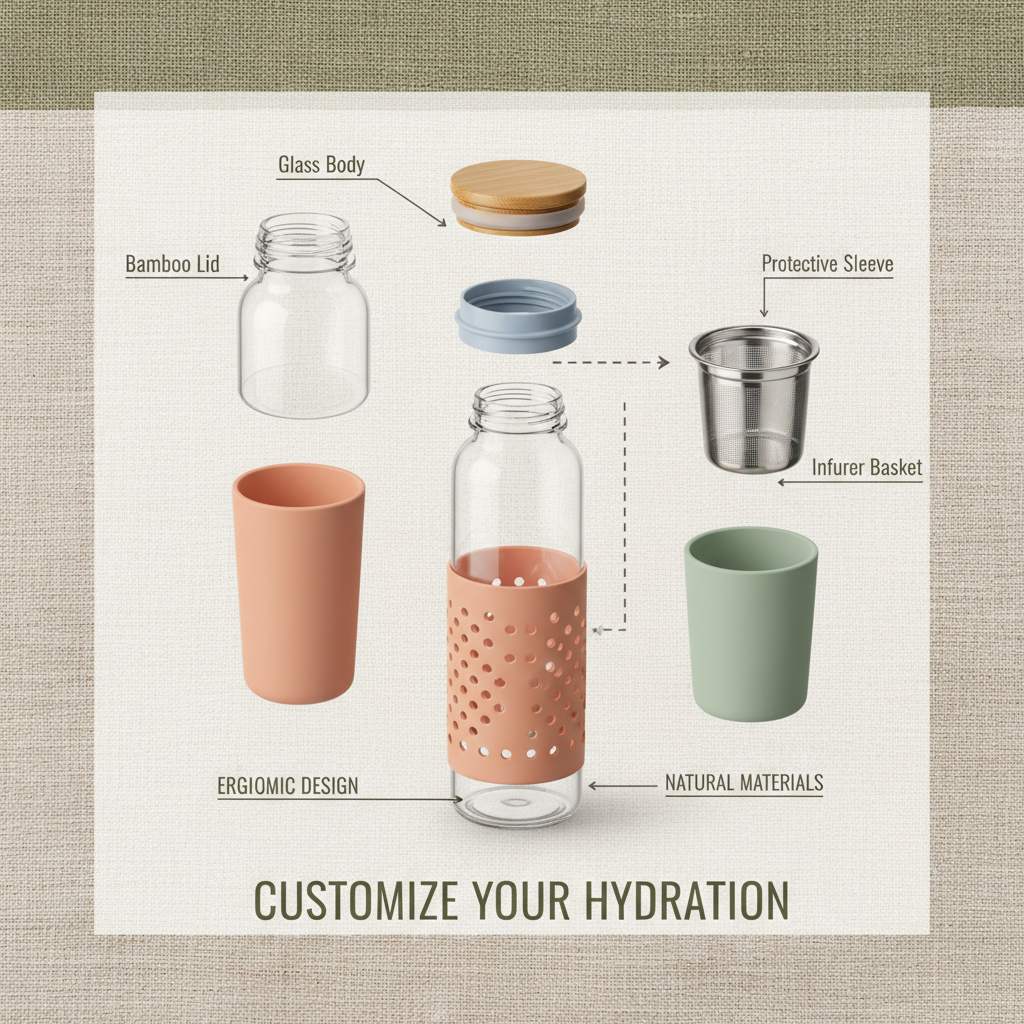
Another critical component is the integration of ergonomic protection. Most high-end shatterproof glass water bottle models feature food-grade silicone sleeves. These sleeves act as a first line of defense, absorbing the kinetic energy of an accidental drop and preventing the glass from making direct contact with hard surfaces, thereby exponentially increasing the product's lifespan.
Finally, the sealing mechanism plays a vital role in the overall safety profile. Using BPA-free lids with airtight silicone gaskets, these bottles prevent leaks that could lead to moisture buildup or accidental drops due to slippery grips. The combination of tempered glass, a protective sleeve, and a secure lid creates a holistic system designed for maximum reliability.
Performance Metrics Across Use Cases
Evaluating the effectiveness of a shatterproof glass water bottle requires looking at various stress factors, including impact resistance, thermal stability, and chemical purity. While a standard glass bottle might fail at a 1-meter drop, a shatterproof variant is engineered to withstand multiple impacts, provided it is equipped with the appropriate protective casing.
When compared to other materials, glass consistently scores higher in taste neutrality and health safety. The following data illustrates how different versions of shatterproof technology perform across key consumer metrics, highlighting the superiority of tempered borosilicate options.
Comparative Analysis of Shatterproof Glass Water Bottle Performance
Real-World Applications and Industry Adoption
The application of the shatterproof glass water bottle extends far beyond the individual consumer. In corporate wellness programs, companies are replacing plastic dispensers with high-quality glass drinkingware to reduce their carbon footprint. In the hospitality sector, luxury hotels have integrated these bottles into their guest rooms, providing a sustainable alternative to mini-bottles that aligns with their brand's commitment to eco-luxury.
Furthermore, in professional environments like laboratories or clinics, where chemical purity is non-negotiable, the shatterproof nature of the glass ensures that staff can transport fluids without the risk of catastrophic breakage that could lead to contamination. This versatility demonstrates that the transition from "standard" to "shatterproof" is a critical upgrade for any industry prioritizing safety and health.
Long-term Value and Sustainability Benefits
Investing in a shatterproof glass water bottle provides tangible long-term financial and environmental value. While the initial cost may be higher than a plastic bottle, the lifespan of tempered glass is measured in years rather than months. This drastic reduction in replacement frequency leads to significant cost savings for the user and a massive reduction in landfill waste.
From an emotional perspective, there is a sense of dignity and trust associated with using a product that is built to last. The clarity of the glass provides a visual reassurance of cleanliness, while the shatterproof engineering removes the stress of accidental damage. This blend of psychological comfort and logical utility is what drives the loyalty of modern consumers.
Moreover, the sustainability impact is profound. Glass is 100% recyclable indefinitely without loss in quality, unlike plastic which downcycles. By choosing a bottle that is designed not to break, users are effectively closing the loop on waste, contributing to a circular economy where resources are preserved and the environment is protected from synthetic pollutants.
Future Innovations in Glass Material Science
The evolution of the shatterproof glass water bottle is currently entering a new phase driven by nanotechnology and automation. We are seeing the emergence of "ion-exchange" strengthening, a process where smaller sodium ions in the glass are replaced by larger potassium ions, creating a high-compression surface layer that is even more resistant to scratches and impacts than traditional tempering.
Additionally, the integration of smart sensors is on the horizon. Imagine a glass bottle that not only resists shattering but also tracks hydration levels via a subtle LED indicator embedded in the silicone sleeve. This digital transformation will turn a simple vessel into a health-monitoring tool, further enhancing the value proposition of the product.
Sustainability is also driving the shift toward "green glass" production, utilizing recycled cullet and low-emission furnaces to reduce the carbon footprint of the manufacturing process. The goal is a product that is not only shatterproof in use but also carbon-neutral in creation.
Comparative Analysis of Shatterproof Glass Technology Versions
| Technology Type |
Impact Resistance |
Thermal Stability |
Eco-Score (1-10) |
| Standard Annealed |
Low |
Low |
7 |
| Tempered Glass |
High |
Medium |
8 |
| Borosilicate |
Medium-High |
Very High |
9 |
| Ion-Exchange |
Very High |
High |
8 |
| Silicone-Hybrid |
Extreme |
High |
9 |
| Nano-Coated Glass |
High |
High |
10 |
FAQS
A shatterproof glass water bottle is typically made from tempered or borosilicate glass. Tempering involves a process of extreme heating and rapid cooling, which creates a layer of compressive stress on the surface. This makes the glass much harder to break than regular glass. When combined with a protective silicone sleeve, the bottle can withstand most accidental drops and impacts that would normally cause standard glassware to shatter.
Yes, if the bottle is made from borosilicate glass, it is specifically designed to handle high thermal shock. Borosilicate glass has a very low coefficient of thermal expansion, meaning it doesn't expand or contract drastically with temperature changes. This allows you to switch from ice-cold to boiling water safely, making it ideal for teas and coffees, unlike standard tempered glass which may still be sensitive to extreme thermal shifts.
Absolutely. While BPA-free plastics avoid one specific toxin, they often replace it with other chemicals like BPS or BPF, which may have similar endocrine-disrupting effects. Glass is a naturally inert material, meaning it does not react with the contents of the bottle and will never leach chemicals into your drink. The shatterproof engineering ensures you get this health benefit without the fragility risk traditionally associated with glass.
Glass is non-porous, making it very easy to clean. Most shatterproof bottles are dishwasher safe, but hand-washing with a bottle brush and mild soap is recommended to preserve the silicone sleeve's elasticity. To remove hard water stains or cloudiness, a mixture of white vinegar and warm water works perfectly. Avoid using abrasive steel wool, as this can create micro-scratches that may compromise the tempered surface over time.
High-quality food-grade silicone is extremely durable and resistant to heat and cold. However, like any protective gear, it may show signs of wear after several years of heavy use. The advantage is that most shatterproof glass water bottle designs allow the sleeve to be removed and replaced without needing to buy a whole new bottle, further enhancing the product's sustainability and long-term value.
While "shatterproof" implies extreme resilience, no glass is entirely indestructible. An impact at a very specific angle on a non-protected area with immense force can still cause a break. However, the key difference is that tempered glass is designed to break into small, blunt pebbles rather than sharp, dangerous shards, significantly reducing the risk of injury compared to traditional glass bottles.
Conclusion
The transition to the shatterproof glass water bottle represents a perfect convergence of material science and environmental responsibility. By combining the non-toxic, inert properties of glass with the rugged durability of tempering and borosilicate chemistry, these bottles solve the age-old dilemma of choosing between health and convenience. From the corporate office to the gym, the ability to utilize a sustainable, long-lasting vessel without the fear of breakage is a significant upgrade for any modern lifestyle.
Looking forward, the integration of nanotechnology and eco-friendly manufacturing will only make these products more accessible and efficient. We encourage consumers and businesses to move away from the cycle of disposable plastics and embrace a hydration solution that respects both the human body and the planet. For those seeking the pinnacle of safety, style, and sustainability in drinkingware, the choice is clear. Visit our website: www.yintoglassware.com
 TEL: +86 18903393212
 Email: tina@yintoglassware.com