 TEL: +86 18903393212
 Email: tina@yintoglassware.com

Dec . 15, 2025 16:10
Back to list
Benefits and Innovations of Glass Water Bottle 1 Litre with Cover | Sustainable Hydration Solution
Understanding the Glass Water Bottle 1 Litre with Cover: A Simple Solution to a Global Challenge
If you’ve ever paused to consider the impact of your water bottle choice, you’re not alone. The glass water bottle 1 litre with cover is more than just a container — it’s part of a growing global conversation on sustainability, health, and design efficiency. Why does this matter? Because in an era drowning in single-use plastics and environmental concerns, the humble glass bottle offers a healthier, reusable alternative while providing convenience and safety with a well-designed cover. On a global scale, clean drinking water and safe packaging go hand in hand, especially in regions grappling with water contamination or where plastic pollution runs rampant. The glass water bottle is stepping in to tackle these realities, providing users with a reliable, non-toxic way to hydrate. Beyond households, industries, relief organizations, and outdoor adventurers increasingly rely on 1-litre glass bottles—large enough for a day’s hydration without being bulky, and designed with covers for spill-proof security. ### Introduction: Why a Glass Water Bottle 1 Litre with Cover Matters Worldwide According to the United Nations Environment Programme, over 300 million tons of plastic are produced globally each year, a vast majority of which ends up polluting waterways and oceans. (1) Plastic bottles alone constitute approximately 20% of all plastic waste globally. With these alarming figures, many industries and consumers are shifting towards more sustainable packaging solutions. Glass water bottles meet a critical need. Various ISO standards assure their safety and recyclability. They avoid the potential dangers posed by plastic additives like BPA and phthalates, substances increasingly scrutinized by health officials worldwide. Plus, the inclusion of a secure cover—often silicone, cork, or stainless steel—helps prevent contamination, making them suitable for travel, office use, and even medical or food-service applications. Yet, there remain challenges around weight, breakage risk, and production costs. Still, the balance between environmental benefit and user convenience renders the glass 1-litre bottle with cover a surprisingly practical choice in many contexts. #### Mini Takeaway: Glass water bottles with covers are more than trendy accessories; they answer urgent global concerns about plastic pollution, human health, and sustainable hydration solutions. ---What Exactly Is a Glass Water Bottle 1 Litre with Cover?
In simple terms, a glass water bottle with a capacity of about 1 litre paired with a tight-sealing cover is a reusable container made from tempered or borosilicate glass, designed to store and transport drinking water safely. The “cover” is generally a lid made from food-safe materials intended to seal the bottle to prevent spills and contamination. This design has gained favor not just for its environmental friendliness, but for how it fits modern lifestyles — from busy professionals who refill their bottles all day to outdoor enthusiasts who need reliable hydration on the trail. Its one-litre size strikes a nice balance: not too heavy, yet enough to keep most people hydrated for several hours without constant refilling. In industrial or humanitarian settings, these bottles sometimes double as safe water provision tools — distributing clean water in areas lacking proper infrastructure or in disaster zones. Their ease of sterilization and resistance to chemical leaching make them a trusted option. ---Key Components Defining a Quality Glass Water Bottle 1 Litre with Cover
1. Material Quality: Borosilicate vs. Soda-lime Glass
Borosilicate glass is renowned for its durability and thermal resistance, prized in laboratory glassware and top-tier bottles. In contrast, soda-lime glass is more common but less resistant to sudden temperature changes. For a glass water bottle 1 litre with cover, borosilicate often means fewer breakages and longer life.2. The Cover’s Seal & Material
A good cover should provide a leak-proof seal yet be easy to open. Covers made from silicone or food-grade plastics are popular for flexibility, but stainless steel or bamboo lids add style with durability. Often, an inner silicone gasket enhances sealing, especially for travel.3. Design Ergonomics & Portability
Shape matters, obviously. Cylindrical bottles with slightly tapered necks tend to be easier to grip, clean, and fit into standard car cup holders or backpacks. Some designs include protective covers or silicone sleeves for impact resistance.4. Safety Certifications
Check for compliance with ISO 22000 or FDA food safety standards. This ensures the bottle’s materials won’t interact negatively with your water or degrade over time.5. Environmental Impact & Recyclability
Glass leads here. It’s 100% recyclable endlessly without quality loss. The covers can sometimes be recycled depending on material, but often users keep and reuse indefinitely.6. Thermal Insulation Features (Optional)
Though glass isn’t a great insulator on its own, some manufacturers combine double-wall construction or insulating covers to keep water cold or hot longer — quite useful if you like your water chilly post-gym or hot for tea. #### Mini Takeaway: Selecting the right material, cover style, and design touches can transform a simple glass bottle into a reliable, stylish hydration partner. ---Real-World Applications: How the Glass Water Bottle 1 Litre with Cover Is Changing Hydration Habits
Around the globe, the glass water bottle with a cover has proved its utility beyond kitchen tables. In Europe and North America, the rise in eco-friendly alternatives has spurred widespread household adoption. Corporate campuses offer these bottles as sustainable swag, while cafes adopt them over plastic throwaways. In developing countries, NGOs use these bottles for distributing clean water during health crises — especially during pandemic times, glass is preferred for its easy sterilization and safety. Similarly, outdoor and adventure sectors, from mountain climbing in the Alps to trekking the Safari trails, depend on rugged yet safe options like these. Industrial zones with strict water safety protocols also encourage such bottles among workers to reduce plastic waste and contamination risks. In fact, some innovative workplaces provide reusable bottles with branded covers to improve user attachment and reduce waste.| Feature | Specification |
|---|---|
| Capacity | 1 litre (1000 ml) |
| Material | Borosilicate glass |
| Cover type | Silicone-sealed stainless steel |
| Dimensions | Height: 25 cm, Diameter: 7.5 cm |
| Weight (empty) | Approx. 450 grams |
| Certification | FDA & ISO 22000 compliant |
Advantages & Long-Term Value of a Glass Water Bottle 1 Litre with Cover
You might think, "Is a glass bottle really worth it, given it’s heavier than some plastics?" The answer, surprisingly, is yes — when you look beyond initial cost or weight. Here’s why: - Health & Safety: No chemicals leaching into your water, unlike some plastics. - Environmental Sustainability: Glass is endlessly recyclable, reducing landfill burden. - Durability & Maintenance: When paired with protective sleeves or sturdy covers, glass bottles last years. - Emotional Connection: Using a durable bottle feels like an investment in self-care and planet care. - Cost Efficiency: Over time, replacing single-use plastic bottles costs far more. - Trust & Transparency: Glass is transparent, literally — no mystery additives inside. Frankly, this combination of emotional satisfaction and practical advantage is why many choose glass bottles even if they’re heavier or a bit pricier upfront. ---Innovations and Future Trends in Glass Water Bottle Design
The glass water bottle market isn’t standing still. Looking forward: - Smart Lids: Some covers now include hydration reminders or UV sterilization chips. - Eco-friendly Covers: Materials like bamboo or recycled silicone are gaining ground. - Double-Wall Glass: To improve insulation without adding polymers. - Customization & Personalization: Laser engraving and color tints for brand identity or personal touch. - Efficient Manufacturing: More energy-conscious glass production methods are emerging in line with ISO 14000 standards. These advancements hint that the glass water bottle 1 litre with cover category will become even more versatile, functional, and stylish. ---Challenges and Solutions in Using Glass Water Bottles
Of course, glass bottles come with challenges: - Fragility: Drop one, and it might shatter. - Weight: Heavier than plastic, sometimes inconvenient on long treks. - Cost: Typically pricier upfront than plastic alternatives. Solutions? Protective silicone sleeves can absorb shocks. Borosilicate glass resists thermal shock. Educating consumers on the long-term savings helps justify expense. For outdoors, combining glass with rugged covers or hybrid designs (glass core with protective outer layers) works well. ---Frequently Asked Questions About Glass Water Bottle 1 Litre with Cover
- Q1: What makes glass water bottles better than plastic ones?
- A1: Glass bottles avoid chemical leaching, are easier to clean and sterilize, and are fully recyclable, reducing plastic pollution. Plus, many users find the water tastes purer held in glass.
- Q2: How durable are glass bottles for daily use?
- A2: When made from borosilicate glass and paired with protective covers or silicone sleeves, these bottles can withstand minor drops and last for years with proper care.
- Q3: Are glass bottles safe for hot and cold beverages?
- A3: Yes, especially borosilicate glass bottles are heat resistant and can safely contain hot or cold drinks. Always check manufacturer guidelines for temperature limits.
- Q4: Can I customize my glass water bottle with a cover?
- A4: Absolutely. Many manufacturers offer customization options like engraving, color tinting, or branded sleeves, ideal for corporate gifts or personal use.
- Q5: How should I clean a glass water bottle properly?
- A5: It’s best to hand-wash with mild soap and a bottle brush. Many bottles are dishwasher-safe but check first to avoid damaging seals or covers.
Conclusion: Why Opt for a Glass Water Bottle 1 Litre with Cover?
Ultimately, choosing a glass water bottle 1 litre with cover aligns health, environmental responsibility, and practical design in one neat package. Over time, this small decision helps reduce plastic reliance, safeguards your water’s purity, and speaks to an ethos of care—whether that’s for yourself, your family, or the planet. So if you’re ready to ditch the disposables and adopt a trusted, sustainable hydration companion, take a closer look at glass water bottle 1 litre with cover solutions that suit your lifestyle. It feels just right when you hold it — like a quiet vote for better habits. Cheers to that. ---| Vendor | Material Quality | Cover Options | Price Range (USD) | Customization | Sustainability Certifications |
|---|---|---|---|---|---|
| Yinto Glassware | Premium borosilicate | Silicone, bamboo, stainless steel | $15 - $22 | Yes, engraving & logo | ISO 22000, FDA |
| ClearSip Co. | Standard soda-lime | Plastic, silicone | $10 - $18 | Limited color options | FDA compliant |
| GreenFlow Bottles | Borosilicate with silicone sleeve | Silicone, bamboo | $18 - $25 | Yes, limited batches | ISO 14000 certified |
References:
---Latest news
-
Small Glass Lunch Containers Guide for Healthy Meal PrepNewsApr.09,2026
-
Comprehensive Guide to Choosing the Best Storage Containers for Dishes and GlassesNewsApr.07,2026
-
Selecting The Optimal 300ml Food Containers For Your Business NeedsNewsApr.04,2026
-
Discover the Benefits of Durable 3 Cup Glass Food Storage ContainersNewsMar.31,2026
-
Comprehensive Guide to Choosing Superior Glass Divided Food ContainersNewsMar.28,2026
-
Exploring the Benefits of Glass Containers with Silicone Sleeve for Everyday UseNewsMar.26,2026
Related Products
![[Extra Large with Handle] Oven Safe Glass Food Storage Container with Airtight Locking Lid & Handle, Oven Safe Dishwasher Safe](https://images.exportstart.com/images/a1251/extra-larger-glass-container-with-snap-locking-lid-164.webp "[Extra Large with Handle] Oven Safe Glass Food Storage Container with Airtight Locking Lid & Handle, Oven Safe Dishwasher Safe")
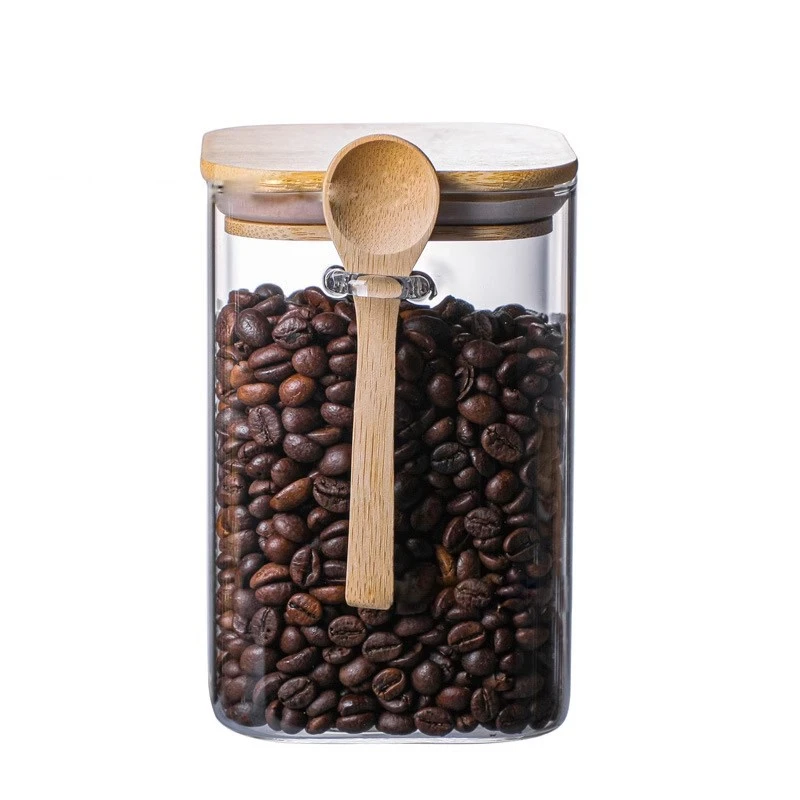
![[All Microwave Safe] High Borosilicate Glass Food Storage Container , Oven Safe without Lid, Dishwasher Safe](https://images.exportstart.com/images/a1251/squre-glass-container-with-glass-lid-518.webp "[All Microwave Safe] High Borosilicate Glass Food Storage Container , Oven Safe without Lid, Dishwasher Safe")
![[Sliding Vent PP Lid] Borosilicate Glass Food Storage Containers with Food-grade Plastic Lid, Airtight, Leak Resistant](https://images.exportstart.com/images/a1251/glass-food-storage-container-with-airtight-lid-183.webp "[Sliding Vent PP Lid] Borosilicate Glass Food Storage Containers with Food-grade Plastic Lid, Airtight, Leak Resistant")
![[Large Skylight Glass Lid] Glass Food Storage Container, Oven Safe with Lid, BPA Free, 100% Leak resistant](https://images.exportstart.com/images/a1251/glass-lid-food-storage-container-1-1-196.webp "[Large Skylight Glass Lid] Glass Food Storage Container, Oven Safe with Lid, BPA Free, 100% Leak resistant")
![[Colorful Vent PP Lid] Glass Food Storage Container, BPA Free, Leakproof, Dishwasher Safe](https://images.exportstart.com/images/a1251/002-1-639.webp "[Colorful Vent PP Lid] Glass Food Storage Container, BPA Free, Leakproof, Dishwasher Safe")
![[Color Vent PP Lid] Borosilicate Glass Food Storage Container, Leakproof, Dishwasher Safe](https://images.exportstart.com/images/a1251/1-941.webp "[Color Vent PP Lid] Borosilicate Glass Food Storage Container, Leakproof, Dishwasher Safe")
![[Vacuum AS] Food Storage Container with Pump](https://images.exportstart.com/images/a1251/7-1-397.webp "[Vacuum AS] Food Storage Container with Pump")