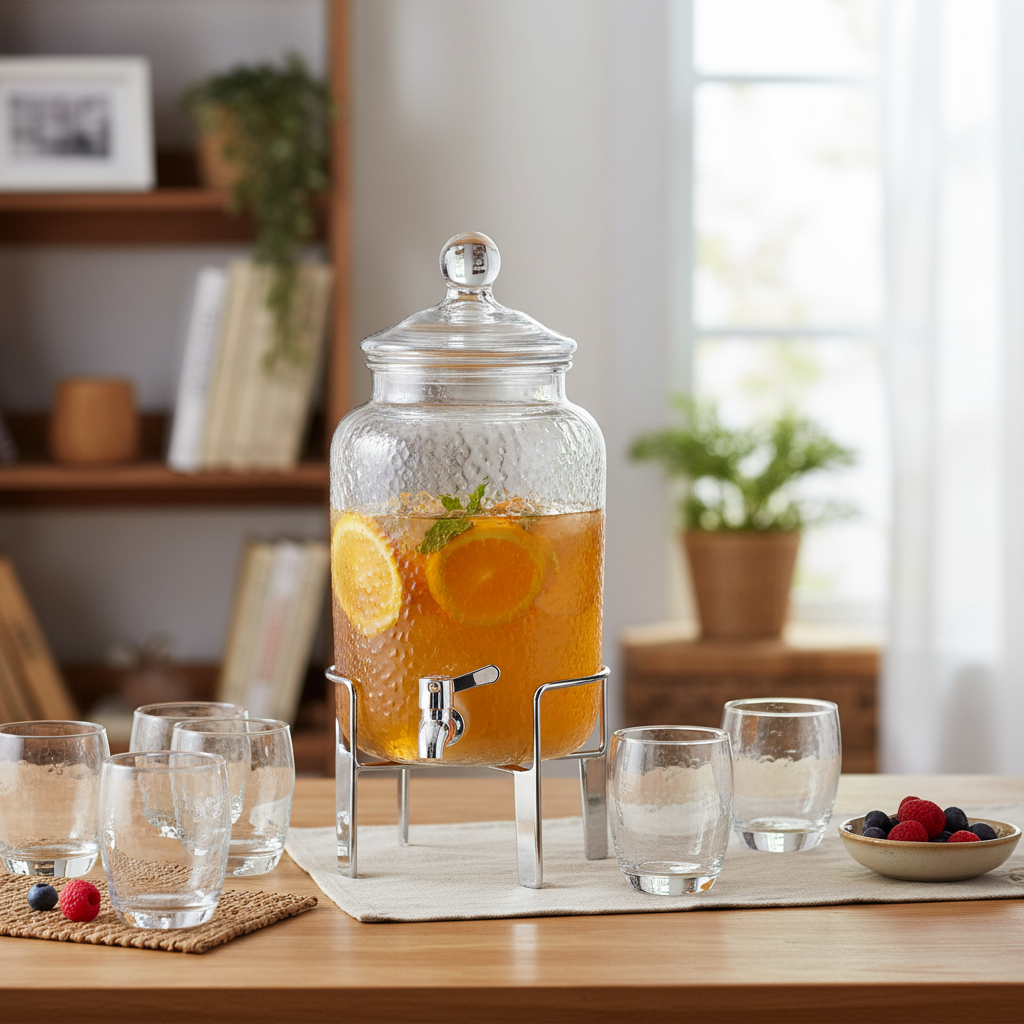
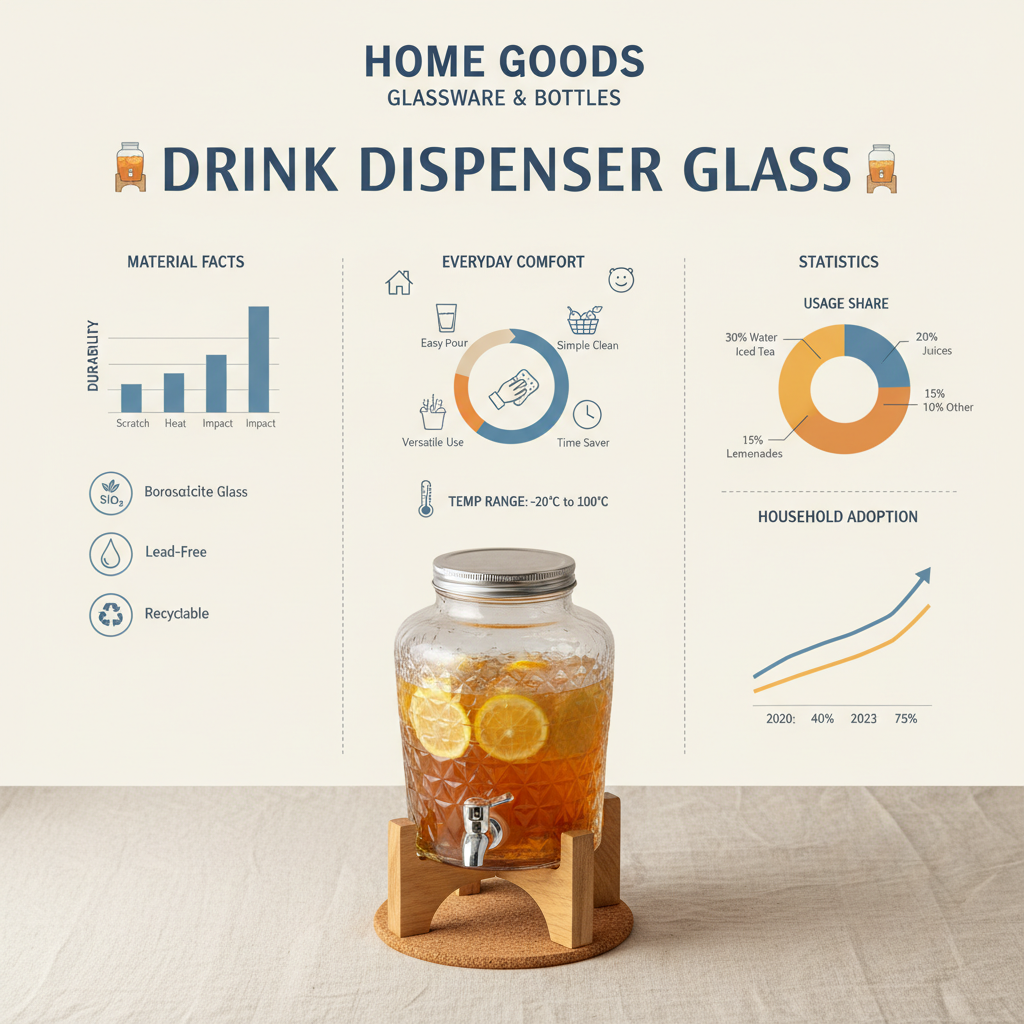
The world’s demand for efficient and hygienic beverage dispensing solutions is constantly growing, driven by factors like increased consumer spending on out-of-home refreshments, rising health consciousness demanding convenient access to water, and the need for cost-effective solutions in commercial settings. drink dispenser glass plays a crucial role in meeting these demands, providing a versatile and reliable method for serving a wide range of liquids. Understanding its design, applications, and advancements is vital for businesses and consumers alike.
The global drink dispenser market is a multi-billion dollar industry, with significant growth projected in the coming years. According to a report by Grand View Research, the global beverage dispensing machine market size was valued at USD 11.59 billion in 2022 and is expected to expand at a compound annual growth rate (CAGR) of 6.8% from 2023 to 2030. This growth is fueled by innovations in technology, increased demand for self-service options, and the expanding use of drink dispenser glass in various industries.
Beyond commercial applications, advancements in drink dispenser technology are addressing critical needs in emergency preparedness and public health. The ability to rapidly deploy safe and accessible drinking water solutions in disaster zones or areas with contaminated water sources is paramount. drink dispenser glass facilitates this by offering durable, easy-to-clean, and readily transportable options.
The Significance of drink dispenser glass
drink dispenser glass is more than just a vessel; it represents a streamlined approach to beverage service, offering efficiency, hygiene, and convenience. In the food service industry, optimized dispensing systems can significantly reduce labor costs and improve customer satisfaction. Properly designed dispensers minimize waste, ensuring accurate portion control and reducing spills.
The importance extends beyond commercial applications. In healthcare settings, access to readily available and safely dispensed water is crucial for patient well-being. Similarly, in emergency situations, portable and reliable drink dispenser glass solutions can provide life-saving hydration. The design and materials used in these systems are therefore critical considerations, influencing both functionality and public health.
Defining drink dispenser glass
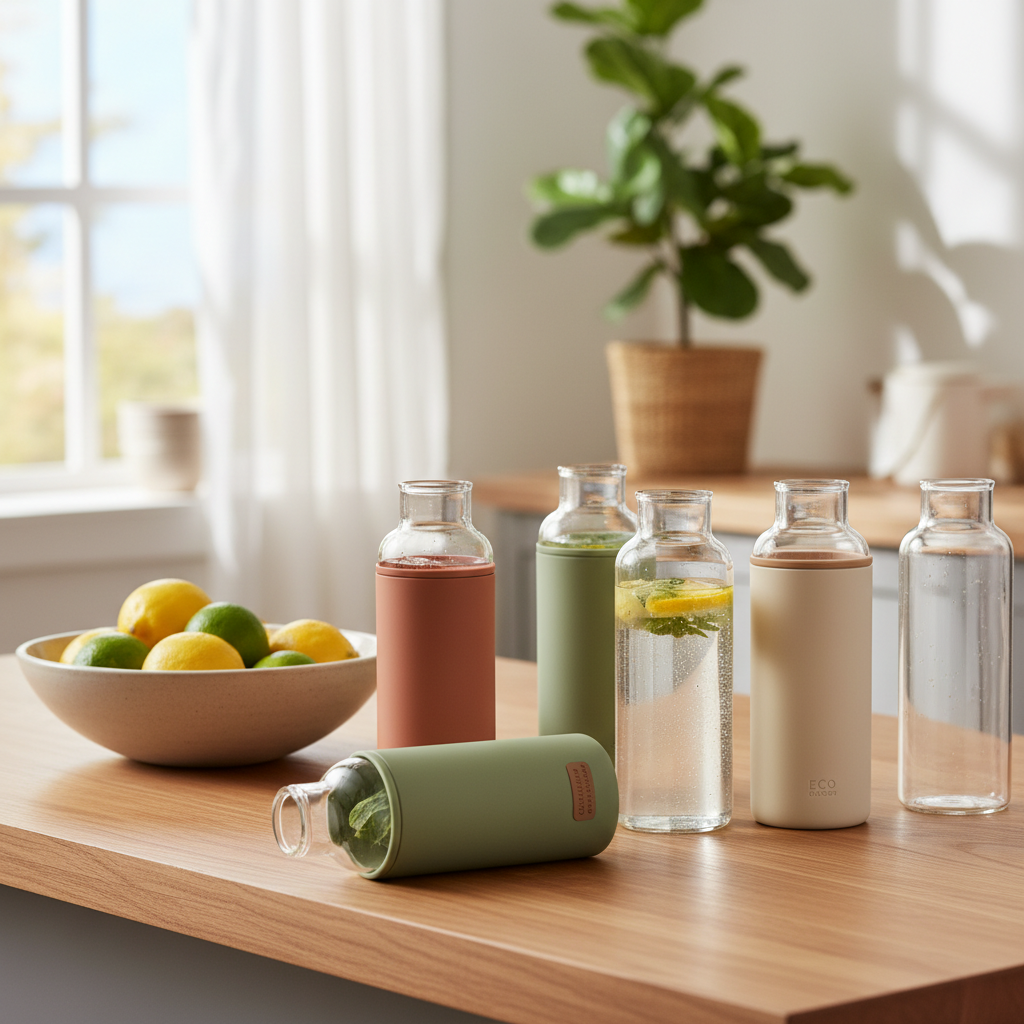
In its simplest form, drink dispenser glass refers to containers specifically designed for the controlled dispensing of liquids. These range from simple gravity-fed spouts to sophisticated automated systems with digital controls and temperature regulation. The key characteristic is the ability to provide a portioned amount of beverage on demand, without the need for manual pouring.
This concept connects directly to modern industry’s focus on process optimization and user experience. Efficient dispensing systems minimize human error, reduce contamination risks, and improve overall efficiency in operations ranging from restaurant service to industrial chemical handling. This aligns with Lean manufacturing principles and quality control standards across diverse sectors.
Furthermore, the evolution of drink dispenser glass mirrors growing humanitarian needs. The development of robust, portable water dispensers designed for disaster relief or developing nations addresses fundamental access to clean drinking water, illustrating the practical implications of innovative design.
Core Components of drink dispenser glass
Understanding the core components of drink dispenser glass is essential for selecting the right system for a specific application. These components typically include the reservoir, dispensing mechanism, flow control system, and outer housing. The reservoir holds the liquid, while the dispensing mechanism – which can be a spout, pump, or valve – releases the beverage.
The flow control system regulates the amount of liquid dispensed, ensuring accurate portioning. This can be a simple manual adjustment or a sophisticated digital control system. Finally, the outer housing provides structural support and protects the internal components. Material selection for each component is crucial, considering factors like food safety, durability, and resistance to corrosion.
Beyond these core components, advanced systems may incorporate features like temperature control, filtration, and UV sterilization. These features enhance the functionality and hygiene of the dispenser, making it suitable for a wider range of applications. The integration of smart technology, such as IoT sensors, is also becoming increasingly common, enabling remote monitoring and data analysis.
Key Factors Influencing drink dispenser glass Selection
Selecting the optimal drink dispenser glass requires careful consideration of several key factors. Durability is paramount, particularly in high-traffic or industrial environments. The material composition – stainless steel, polycarbonate, or specialized plastics – dictates resistance to impact, corrosion, and temperature fluctuations.
Scalability is another crucial aspect. The ability to easily expand or adapt the dispensing system to meet changing demands is essential for growing businesses. Cost-efficiency encompasses both the initial purchase price and long-term maintenance costs. A lower upfront cost may be offset by frequent repairs or replacements. Hygiene standards are paramount in food service and healthcare, demanding dispensers that are easy to clean and sanitize, preventing bacterial growth and contamination.
Comparative Analysis of drink dispenser glass Features
Global Applications of drink dispenser glass
The applications of drink dispenser glass are remarkably diverse. In the food and beverage industry, they are ubiquitous in restaurants, cafes, and bars, providing efficient self-service options for soft drinks, juices, and water. They are also widely used in healthcare facilities to ensure patients have easy access to hydration.
In post-disaster relief operations, portable water dispensers are critical for providing clean drinking water to affected populations. Remote industrial zones, such as oil rigs or construction sites, rely on durable dispensers to provide workers with readily available hydration. Moreover, specialized dispensers are used in laboratories and manufacturing facilities to accurately dispense chemicals and solvents.
Advantages and Long-Term Value of drink dispenser glass
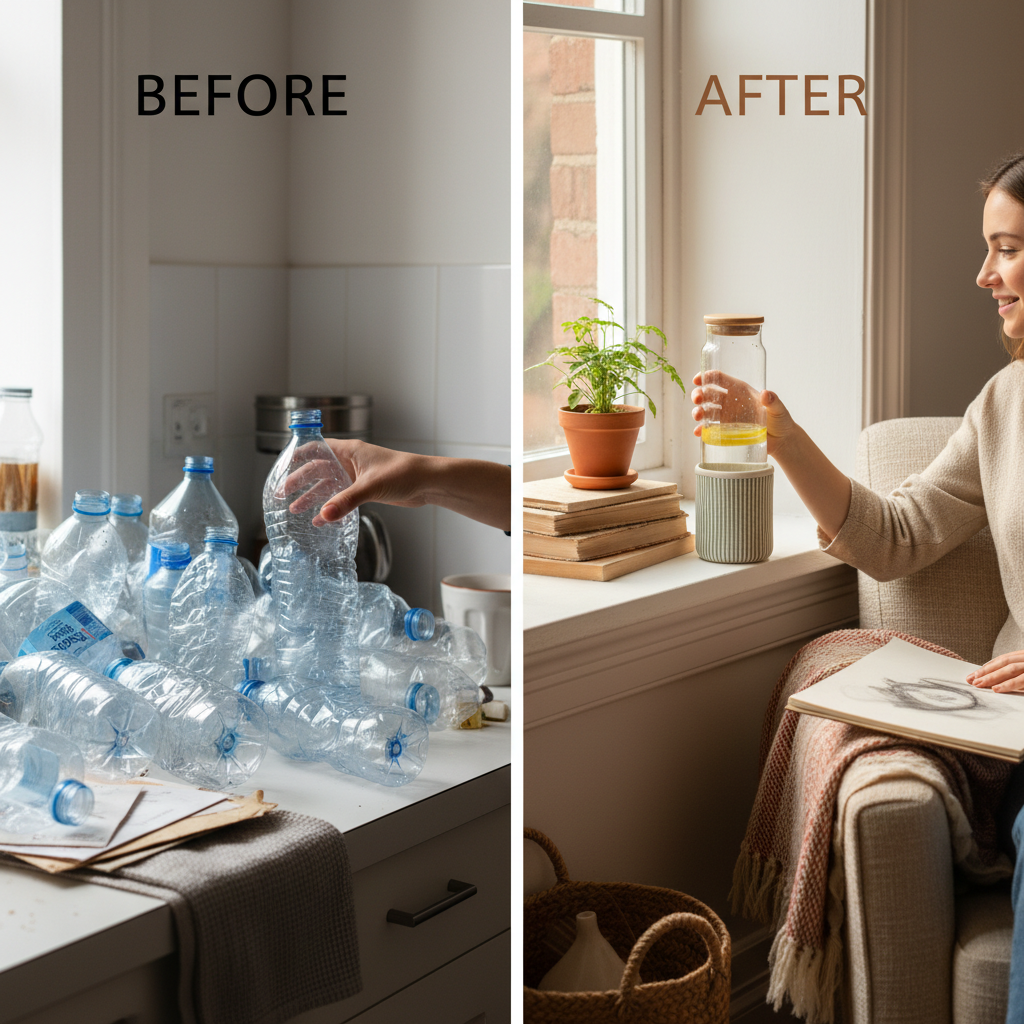
The advantages of utilizing drink dispenser glass are tangible and far-reaching. Cost savings are realized through reduced labor requirements, minimized waste, and optimized portion control. Sustainability is enhanced by reducing reliance on single-use plastic bottles and promoting responsible resource management.
Social impact is significant, particularly in providing access to clean drinking water in underserved communities or emergency situations. Reliability translates to reduced downtime and maintenance costs, ensuring consistent beverage service. These benefits, combined with the enhanced safety and hygiene offered by modern dispensing systems, contribute to long-term value and a positive return on investment.
Future Trends in drink dispenser glass Technology
The future of drink dispenser glass is shaped by several emerging trends. The integration of IoT sensors and data analytics will enable predictive maintenance, optimized inventory management, and personalized dispensing experiences. The development of new, sustainable materials – such as biodegradable plastics and recycled glass – will address growing environmental concerns.
Automation and robotics will play an increasing role in dispenser operation, streamlining processes and reducing human contact. Furthermore, advancements in filtration and purification technologies will ensure the delivery of consistently high-quality beverages. The combination of these innovations will lead to smarter, more efficient, and more sustainable drink dispensing systems.
The focus on contactless dispensing solutions, accelerated by recent global health concerns, represents another significant trend. These systems leverage technologies like touchless sensors and mobile app integration to minimize the risk of contamination and provide a more hygienic user experience.
FAQS
Generally, most non-carbonated liquids are safe for use with standard drink dispenser glass constructed from food-grade materials like polycarbonate or stainless steel. However, corrosive or abrasive liquids should be avoided as they can damage the dispenser. It's crucial to check the manufacturer’s specifications for compatibility, particularly when dealing with chemicals or specialized beverages.
Drink dispenser glass should be cleaned and sanitized regularly, ideally daily, especially those used for consumables like beverages. This prevents the buildup of bacteria and ensures hygiene. Disassemble the dispenser as instructed by the manufacturer and wash all components with hot, soapy water. Follow with a sanitizing solution appropriate for food contact surfaces, and ensure thorough rinsing and drying before reassembly.
The lifespan of a drink dispenser glass depends significantly on its materials, usage frequency, and maintenance. High-quality stainless steel dispensers can last for decades with proper care. Polycarbonate models typically have a lifespan of 5-10 years. Regular cleaning, prompt repairs of any damage, and adherence to the manufacturer’s recommendations are key to maximizing longevity.
Yes, there are drink dispenser glass specifically designed for outdoor environments. These models often feature UV-resistant materials to prevent degradation from sunlight exposure, weather-resistant construction to withstand rain and temperature fluctuations, and secure locking mechanisms to prevent tampering. Look for dispensers with a high IP rating for dust and water resistance.
Automated drink dispenser glass offers several benefits, including increased efficiency, reduced labor costs, precise portion control, and enhanced hygiene. These systems often feature digital controls, temperature regulation, and remote monitoring capabilities, streamlining beverage service and optimizing inventory management. They also minimize human contact, reducing the risk of contamination.
Ensure the drink dispenser glass you select is certified by relevant safety organizations such as NSF International or UL. These certifications indicate that the dispenser has been tested and meets stringent standards for food safety, hygiene, and electrical safety. Always check for these certifications before making a purchase and ensure the dispenser complies with local regulations.
Conclusion
In conclusion, drink dispenser glass represents a critical component in a wide array of industries, delivering significant benefits in terms of efficiency, hygiene, sustainability, and cost-effectiveness. From streamlining beverage service in commercial settings to providing access to clean drinking water in emergency situations, its applications are both diverse and impactful. Understanding the core components, key factors influencing selection, and emerging trends in this field is crucial for making informed decisions and maximizing its potential.
Looking ahead, the continued development of smart, sustainable, and user-friendly drink dispensing systems will drive further innovation. Investing in high-quality drink dispenser glass solutions is not merely a practical choice, but a strategic investment in long-term efficiency, safety, and responsible resource management. To explore our range of innovative drink dispenser solutions, visit our website: www.yintoglassware.com.
 TEL: +86 18903393212
 Email: tina@yintoglassware.com