 TEL: +86 18903393212
 Email: tina@yintoglassware.com

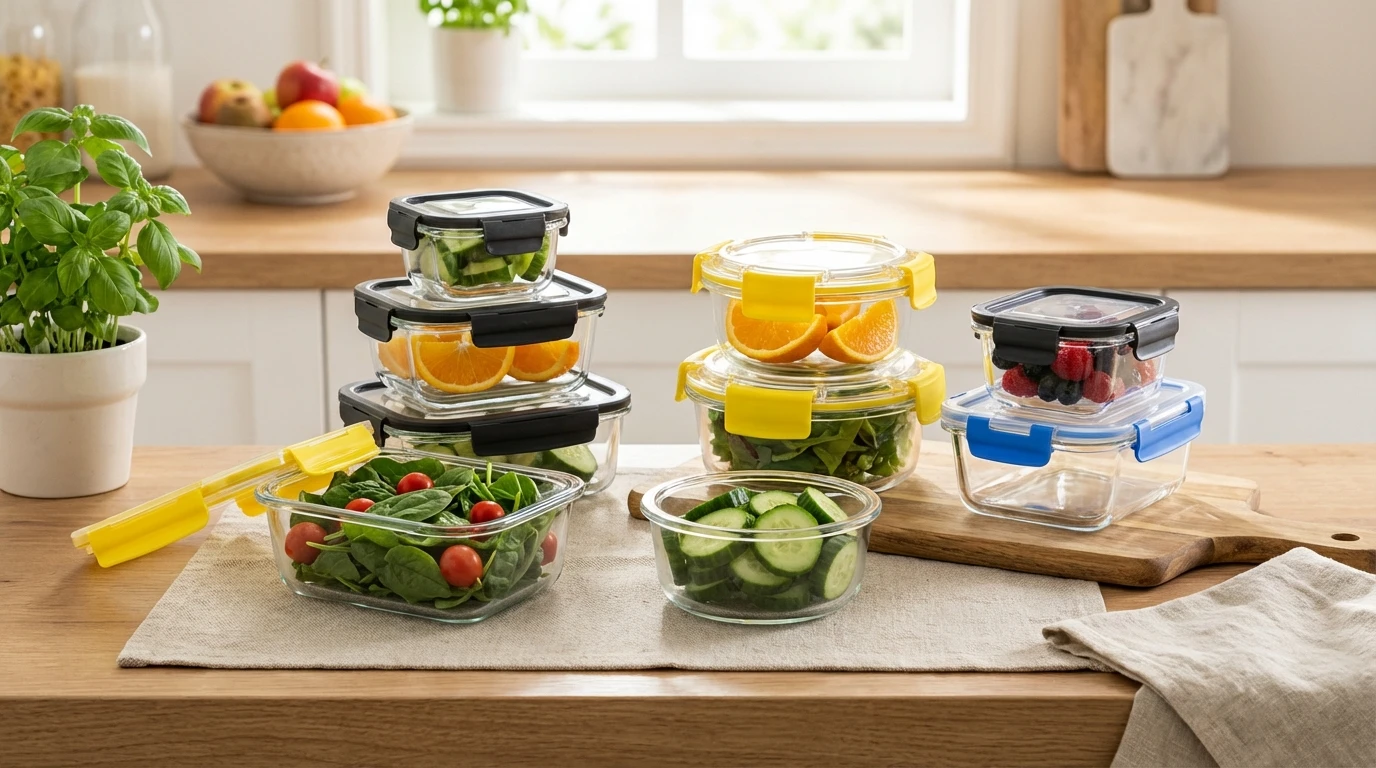
Selecting The Optimal 300ml Food Containers For Your Business Needs
Choosing the Right 300ml Food Containers for Your Business
In today’s fast-paced food industry, efficient and reliable packaging is crucial. Selecting the right 300ml food containers can significantly impact your business, influencing everything from preservation and transportation to presentation and cost-effectiveness. At Yinto Glassware, we specialize in providing high-quality, customizable food packaging solutions. This article explores the key considerations when choosing 300ml food containers, their benefits, and how to select the best option for your specific needs. Investing in the right containers is an investment in your brand and customer satisfaction.
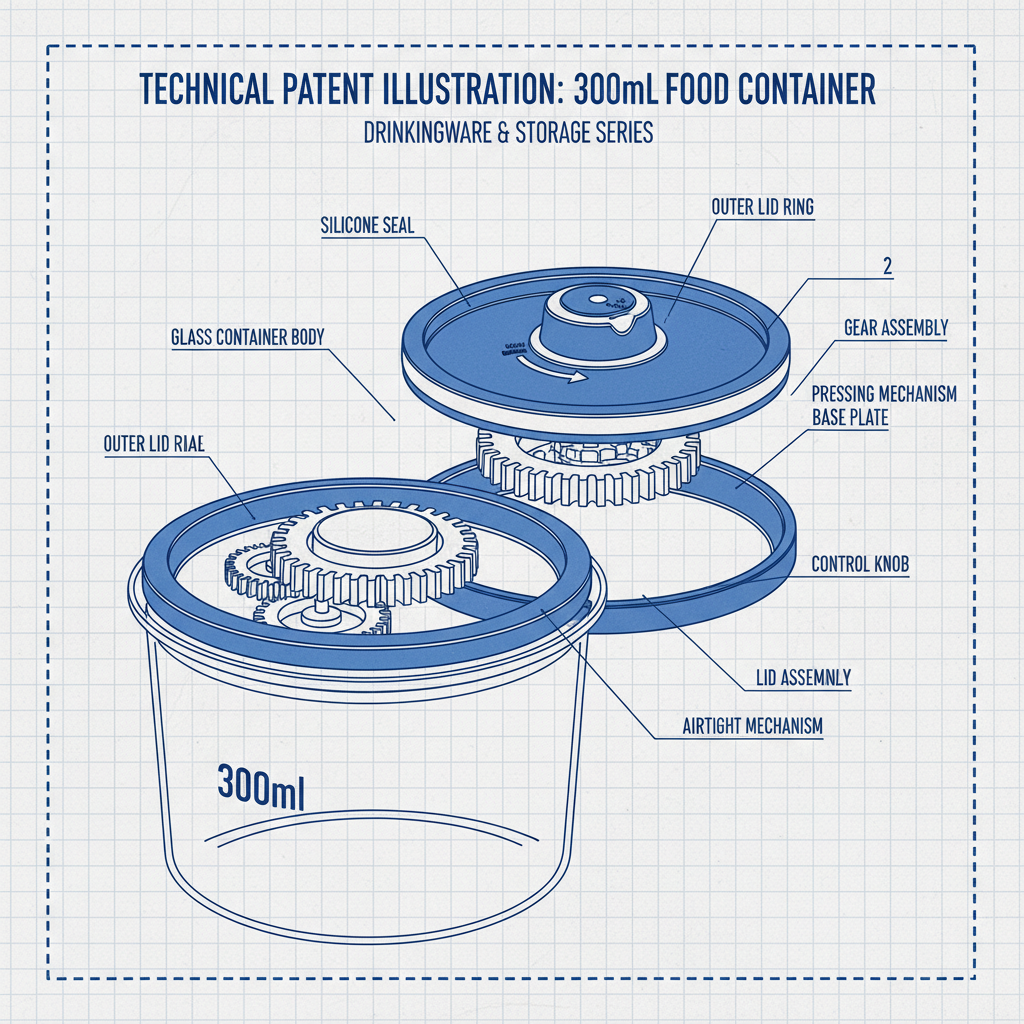
Understanding the Importance of 300ml Food Containers
300ml food containers are a popular choice for various applications, including meal prep services, restaurant takeout, catering, and retail food sales. Their ideal size makes them suitable for single servings of soups, sauces, dips, desserts, and more. Choosing the correct container type is vital for maintaining food quality, preventing leaks, and ensuring compliance with food safety regulations. Factors like material, lid type, and durability directly impact the overall customer experience and your brand reputation. The right container can also contribute to sustainability efforts, especially when opting for reusable or recyclable materials.
Key Considerations: Ensuring food safety, maintaining freshness, minimizing transportation costs, and enhancing brand appeal are all critical factors to consider.
Materials for 300ml Food Containers: A Comparative Overview
Several materials are commonly used for manufacturing 300ml food containers, each with its own advantages and disadvantages. The most prevalent options include plastic (PP, PET, PLA), glass, and aluminum. The choice largely depends on your budget, food type, temperature requirements, and sustainability goals. Glass containers offer excellent clarity and are ideal for showcasing the food’s appearance, while plastic provides lightweight and cost-effective solutions. Consider whether the container needs to be microwave-safe, freezer-safe, or oven-safe when making your selection.
Material Comparison:
• Glass: Excellent clarity, reusable, recyclable, temperature resistant, but heavier and more fragile.
• Plastic (PP/PET): Lightweight, durable, cost-effective, but concerns about environmental impact and potential leaching.
• PLA (Plant-Based Plastic): Biodegradable and compostable, but may have limited temperature resistance.
Choosing the Right Lid for Your 300ml Food Containers
The lid is just as important as the container itself. Different lid types offer varying levels of security and functionality. Common options include snap-on lids, screw-on lids, and tamper-evident lids. Snap-on lids are convenient for quick access, while screw-on lids provide a more secure seal, ideal for liquids or delicate items. Tamper-evident lids offer assurance of product integrity, essential for food safety and consumer confidence. Consider the ease of use for both the filling process and the end consumer when selecting the optimal lid type.
Customization Options for 300ml Food Containers
Branding is essential for building recognition and loyalty. Yinto Glassware offers a variety of customization options for 300ml food containers, including logo printing, custom colors, and labeling. This allows you to create packaging that reflects your brand identity and enhances the perceived value of your products. Customization also provides an opportunity to include important information like nutritional facts, ingredients, and usage instructions.
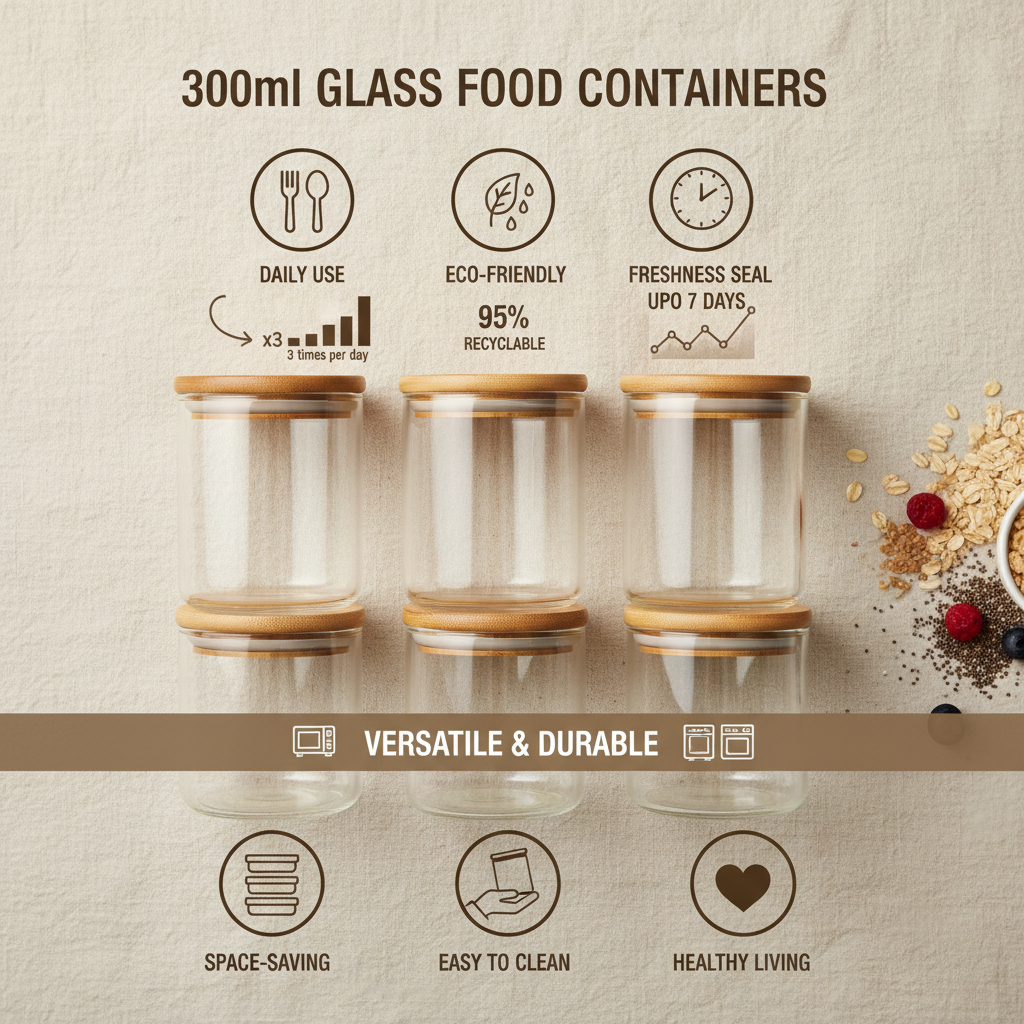
Sustainability and 300ml Food Container Choices
Consumers are increasingly prioritizing sustainability. When selecting 300ml food containers, consider the environmental impact of the materials used. Opting for recyclable materials like glass and PET, or biodegradable options like PLA, can demonstrate your commitment to environmental responsibility. Reducing packaging waste and choosing reusable containers are also effective strategies. At Yinto Glassware, we offer eco-friendly options to help you meet your sustainability goals.
Conclusion: Making the Right Choice for Your Business
Choosing the right 300ml food containers is a critical decision for any food-related business. By carefully considering factors like material, lid type, customization options, and sustainability, you can select packaging that optimizes food preservation, enhances brand appeal, and meets your specific operational needs. Contact Yinto Glassware today to explore our extensive range of food packaging solutions and find the perfect containers for your business!
Frequently Asked Questions (FAQs)
What temperature ranges are suitable for these 300ml food containers?
The suitable temperature range depends on the material. Glass containers are generally safe for temperatures from -20°C to +120°C, making them suitable for freezing, microwaving, and oven use (check specific product details). Plastic containers have varying temperature resistances; PP is typically safe up to 100°C, while PET has a lower limit. PLA is best suited for cold and room-temperature applications. Always verify the temperature specifications on the product label before use to avoid damage or potential leaching of chemicals.
Are your 300ml food containers microwave-safe?
Many of our 300ml food containers are microwave-safe, but it depends on the material. Glass containers are typically microwave-safe. However, certain plastics, like PP, are also microwave-safe, but it’s essential to check the product details. PET and PLA are generally not recommended for microwave use. Look for the microwave-safe symbol on the container before heating food in it. Always follow the manufacturer's instructions for safe usage.
Can I customize the containers with my logo?
Yes, Yinto Glassware offers various customization options, including logo printing, custom colors, and labeling. We utilize high-quality printing techniques to ensure a durable and visually appealing result. Contact our sales team to discuss your specific customization requirements and receive a quote.
What are the lead times for custom orders?
Lead times for custom orders vary depending on the quantity, complexity of the customization, and our current production schedule. Typically, lead times range from 2-4 weeks after artwork approval. We will provide you with a clear timeline during the quoting process. We strive to fulfill custom orders efficiently without compromising quality.
-
Small Glass Lunch Containers Guide for Healthy Meal PrepNewsApr.09,2026
-
Comprehensive Guide to Choosing the Best Storage Containers for Dishes and GlassesNewsApr.07,2026
-
Discover the Benefits of Durable 3 Cup Glass Food Storage ContainersNewsMar.31,2026
-
Comprehensive Guide to Choosing Superior Glass Divided Food ContainersNewsMar.28,2026
-
Exploring the Benefits of Glass Containers with Silicone Sleeve for Everyday UseNewsMar.26,2026
![[Extra Large with Handle] Oven Safe Glass Food Storage Container with Airtight Locking Lid & Handle, Oven Safe Dishwasher Safe](https://images.exportstart.com/images/a1251/extra-larger-glass-container-with-snap-locking-lid-164.webp "[Extra Large with Handle] Oven Safe Glass Food Storage Container with Airtight Locking Lid & Handle, Oven Safe Dishwasher Safe")
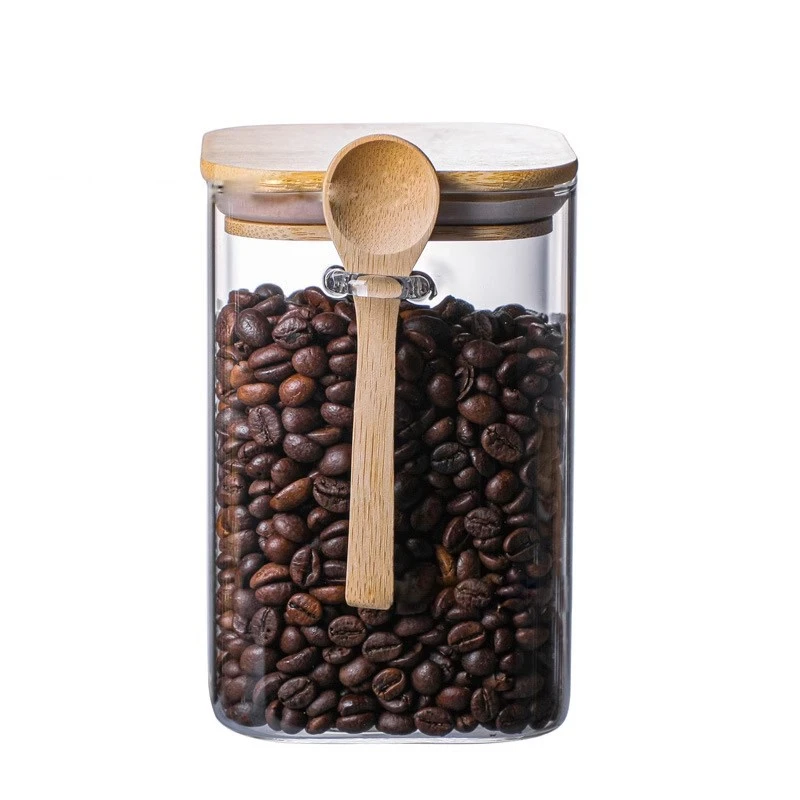
![[All Microwave Safe] High Borosilicate Glass Food Storage Container , Oven Safe without Lid, Dishwasher Safe](https://images.exportstart.com/images/a1251/squre-glass-container-with-glass-lid-518.webp "[All Microwave Safe] High Borosilicate Glass Food Storage Container , Oven Safe without Lid, Dishwasher Safe")
![[Sliding Vent PP Lid] Borosilicate Glass Food Storage Containers with Food-grade Plastic Lid, Airtight, Leak Resistant](https://images.exportstart.com/images/a1251/glass-food-storage-container-with-airtight-lid-183.webp "[Sliding Vent PP Lid] Borosilicate Glass Food Storage Containers with Food-grade Plastic Lid, Airtight, Leak Resistant")
![[Large Skylight Glass Lid] Glass Food Storage Container, Oven Safe with Lid, BPA Free, 100% Leak resistant](https://images.exportstart.com/images/a1251/glass-lid-food-storage-container-1-1-196.webp "[Large Skylight Glass Lid] Glass Food Storage Container, Oven Safe with Lid, BPA Free, 100% Leak resistant")
![[Colorful Vent PP Lid] Glass Food Storage Container, BPA Free, Leakproof, Dishwasher Safe](https://images.exportstart.com/images/a1251/002-1-639.webp "[Colorful Vent PP Lid] Glass Food Storage Container, BPA Free, Leakproof, Dishwasher Safe")
![[Color Vent PP Lid] Borosilicate Glass Food Storage Container, Leakproof, Dishwasher Safe](https://images.exportstart.com/images/a1251/1-941.webp "[Color Vent PP Lid] Borosilicate Glass Food Storage Container, Leakproof, Dishwasher Safe")
![[Vacuum AS] Food Storage Container with Pump](https://images.exportstart.com/images/a1251/7-1-397.webp "[Vacuum AS] Food Storage Container with Pump")