 TEL: +86 18903393212
 Email: tina@yintoglassware.com

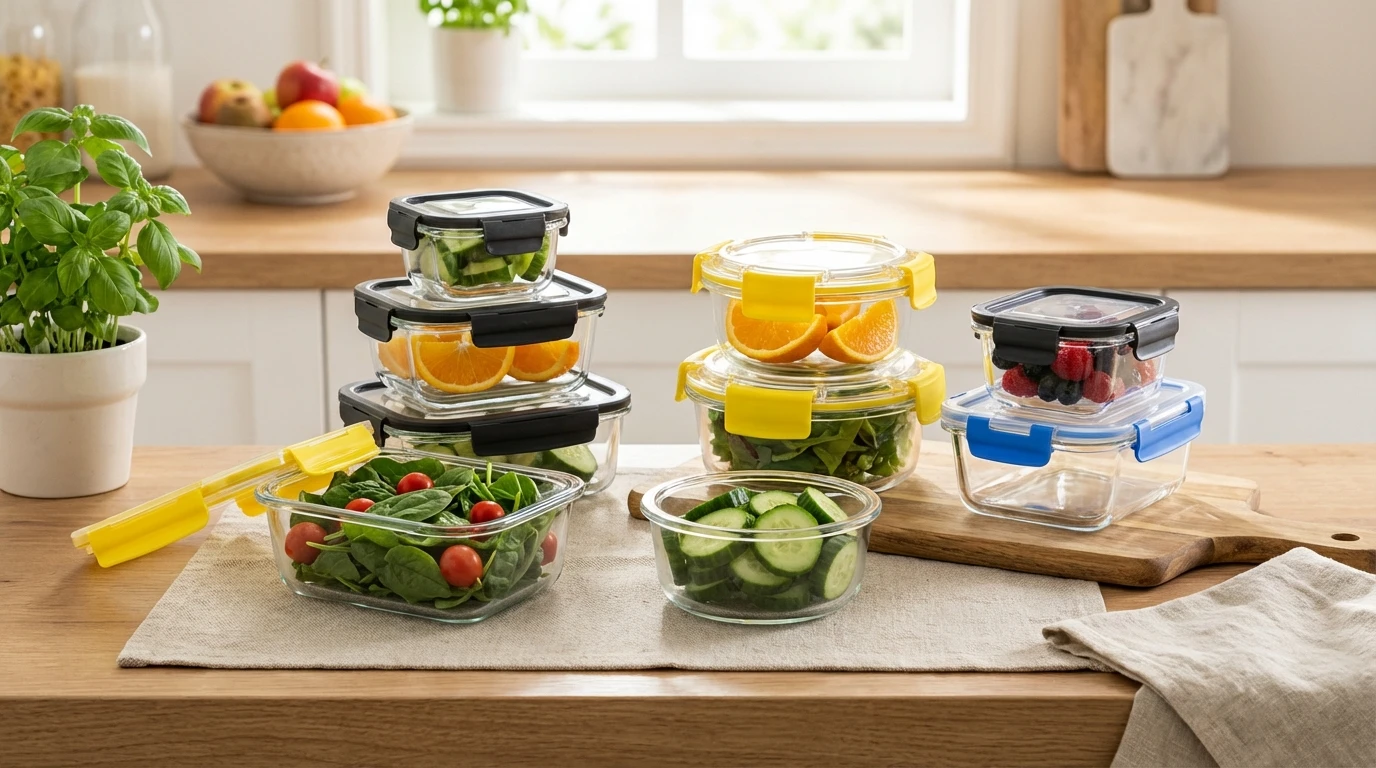
Small Glass Lunch Containers Guide for Healthy Meal Prep
Small Glass Lunch Containers: The Ultimate Guide to Healthy Meal Prep
Switching to small glass lunch containers is one of the simplest yet most effective ways to improve your daily nutrition and reduce environmental waste. Whether you are packing snacks for your children, portioning out nuts, or preparing side dishes for a balanced office lunch, the right container makes all the difference. Unlike plastic alternatives, glass provides a non-reactive surface that preserves the original taste and freshness of your food. In this comprehensive guide, we will explore why high-quality glassware is the superior choice for modern meal prepping and how to choose the best options for your lifestyle.
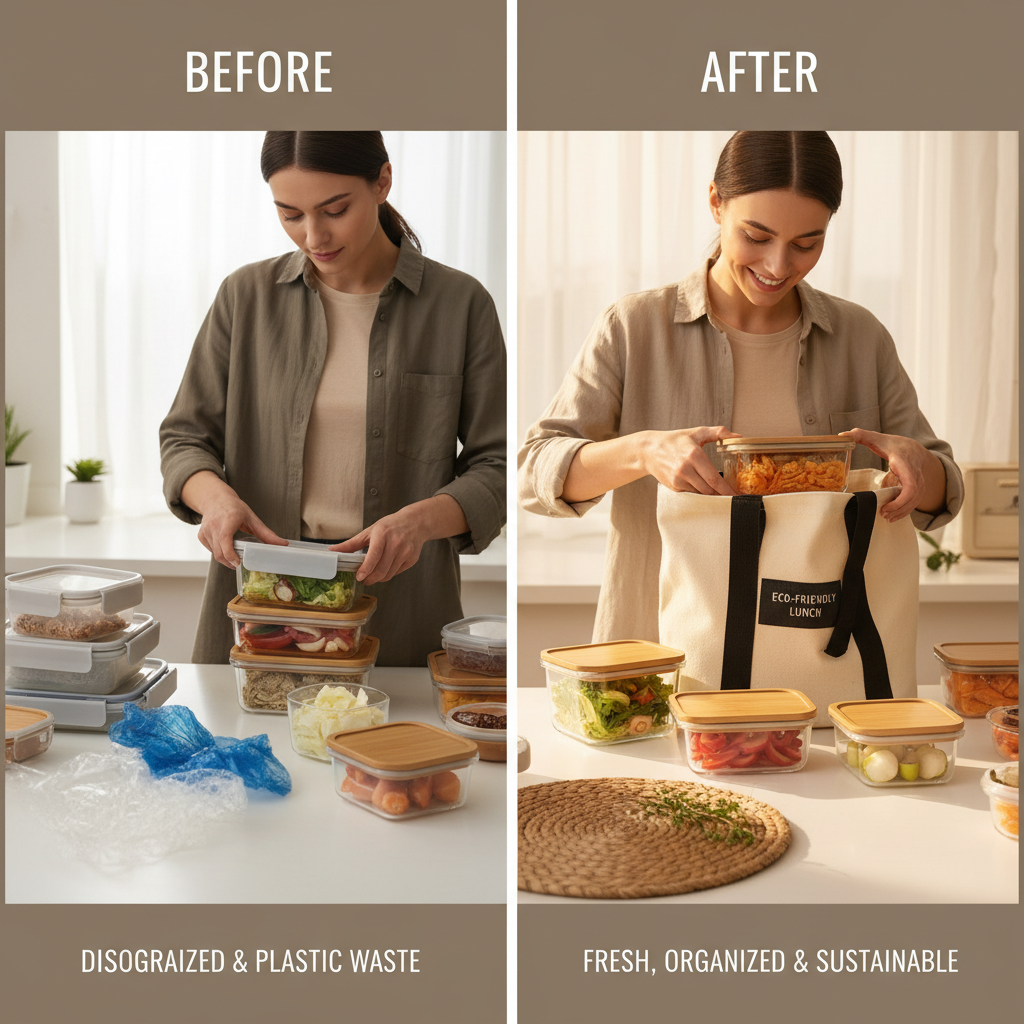
Why Choose Small Glass Lunch Containers Over Plastic?
When comparing materials, borosilicate glass stands out for its durability and safety. Plastic containers often contain BPA and phthalates, which can leach into food, especially when heated in a microwave. In contrast, small glass lunch containers are chemically inert, meaning they won't absorb odors or stains from tomato sauces or spicy curries. This ensures that your food tastes exactly as intended, every single time. Furthermore, the transparency of glass allows you to identify contents at a glance, reducing food waste in the refrigerator.
Pro Tip: Look for airtight lids with silicone seals to ensure your meals stay fresh and leak-proof during your commute.
Key Benefits of Using Small Glass Lunch Containers for Portion Control
Portion control is essential for maintaining a healthy weight and managing energy levels throughout the day. Using small glass lunch containers allows you to pre-measure snacks like hummus, berries, or almonds, preventing overeating. By preparing these portions in advance, you eliminate the temptation of processed vending machine snacks. The compact size also makes them ideal for fitting into smaller insulated lunch bags without taking up unnecessary space.
Portion Control Advantages:
• Accurate calorie tracking through pre-measured volumes
• Reduced food waste by packing only what you need
• Easier organization in the fridge and pantry
• Encourages a variety of side dishes in one meal
Comparison: Glass vs. Plastic vs. Stainless Steel
Selecting the right material depends on your specific needs, but for most users, small glass lunch containers offer the best balance of health, aesthetics, and functionality. While stainless steel is durable, it cannot be used in microwaves and isn't transparent. Plastic is lightweight but lacks the hygienic properties of glass. The following table highlights the critical differences to help you make an informed decision.
Maintaining Your Small Glass Lunch Containers for Longevity
To ensure your investment lasts for years, proper care is essential. Most high-quality small glass lunch containers are dishwasher safe, but hand-washing the lids can prolong the life of the silicone seals. Avoid sudden temperature shocks—for example, do not move a container directly from the freezer to a hot oven. Instead, let it thaw slightly or use a microwave on medium power. Using a soft sponge prevents scratches and maintains the crystal-clear clarity of the glass.
Technical Specifications of Premium Glassware
When sourcing small glass lunch containers, it is important to look at the technical specifications to ensure they meet food-grade safety standards. Borosilicate glass is preferred over soda-lime glass because it has a lower coefficient of thermal expansion, making it far more resistant to thermal shock. Below is a specification table for our standard small container line.
Conclusion: Elevate Your Dining with Glass
Investing in small glass lunch containers is a commitment to both your health and the planet. By eliminating harmful plastics and embracing the purity of glass, you ensure that your meals remain fresh, tasting, and safe. Whether for meal prep, snack storage, or elegant presentation, these containers provide a versatile solution for any modern kitchen. Experience the difference in quality and sustainability today.
Frequently Asked Questions (FAQs)
Are small glass lunch containers safe for the oven?
Yes, provided they are made from borosilicate glass. Borosilicate glass is designed to withstand high temperatures without cracking. However, it is critical to remove the lids before placing the containers in the oven, as most lids are made of plastic or silicone and will melt. Always check the manufacturer's specific temperature limits to ensure safety during baking or reheating.
How do I make sure my containers are truly leak-proof?
To ensure a leak-proof experience, check that the silicone ring is properly seated in the lid's groove. When closing the small glass lunch containers, apply even pressure across all four locking tabs. Periodically inspect the silicone seal for any wear or tears; if the seal is damaged, the container may leak. For extremely liquid-heavy foods, we recommend keeping the container upright in your bag.
Can these containers be used for baby food storage?
Absolutely. In fact, glass is the recommended material for baby food because it is non-porous and doesn't leach chemicals into the food. Small glass containers are perfect for storing purees or chopped fruits. Since they are microwave-safe and easy to sterilize in boiling water, they provide a hygienic environment for your baby's nutrition, ensuring no unwanted toxins interfere with their development.
How do I remove stubborn stains or odors from the lids?
While the glass itself doesn't stain, the plastic lids sometimes can. To remove stubborn odors or stains, create a paste of baking soda and water, apply it to the affected area, and let it sit for 30 minutes before scrubbing with a soft brush. Alternatively, a soak in a mixture of white vinegar and warm water can neutralize strong smells. This keeps your small glass lunch containers smelling fresh and looking new.
-
Ultimate Guide to Choosing Big Glass Storage Containers for Every NeedNewsApr.16,2026
-
Comprehensive Guide to Choosing the Best Storage Containers for Dishes and GlassesNewsApr.07,2026
-
Selecting The Optimal 300ml Food Containers For Your Business NeedsNewsApr.04,2026
-
Discover the Benefits of Durable 3 Cup Glass Food Storage ContainersNewsMar.31,2026
-
Comprehensive Guide to Choosing Superior Glass Divided Food ContainersNewsMar.28,2026
![[Extra Large with Handle] Oven Safe Glass Food Storage Container with Airtight Locking Lid & Handle, Oven Safe Dishwasher Safe](https://images.exportstart.com/images/a1251/extra-larger-glass-container-with-snap-locking-lid-164.webp "[Extra Large with Handle] Oven Safe Glass Food Storage Container with Airtight Locking Lid & Handle, Oven Safe Dishwasher Safe")
![[All Microwave Safe] High Borosilicate Glass Food Storage Container , Oven Safe without Lid, Dishwasher Safe](https://images.exportstart.com/images/a1251/squre-glass-container-with-glass-lid-518.webp "[All Microwave Safe] High Borosilicate Glass Food Storage Container , Oven Safe without Lid, Dishwasher Safe")
![[Sliding Vent PP Lid] Borosilicate Glass Food Storage Containers with Food-grade Plastic Lid, Airtight, Leak Resistant](https://images.exportstart.com/images/a1251/glass-food-storage-container-with-airtight-lid-183.webp "[Sliding Vent PP Lid] Borosilicate Glass Food Storage Containers with Food-grade Plastic Lid, Airtight, Leak Resistant")
![[Large Skylight Glass Lid] Glass Food Storage Container, Oven Safe with Lid, BPA Free, 100% Leak resistant](https://images.exportstart.com/images/a1251/glass-lid-food-storage-container-1-1-196.webp "[Large Skylight Glass Lid] Glass Food Storage Container, Oven Safe with Lid, BPA Free, 100% Leak resistant")
![[Colorful Vent PP Lid] Glass Food Storage Container, BPA Free, Leakproof, Dishwasher Safe](https://images.exportstart.com/images/a1251/002-1-639.webp "[Colorful Vent PP Lid] Glass Food Storage Container, BPA Free, Leakproof, Dishwasher Safe")
![[Color Vent PP Lid] Borosilicate Glass Food Storage Container, Leakproof, Dishwasher Safe](https://images.exportstart.com/images/a1251/1-941.webp "[Color Vent PP Lid] Borosilicate Glass Food Storage Container, Leakproof, Dishwasher Safe")
![[Vacuum AS] Food Storage Container with Pump](https://images.exportstart.com/images/a1251/7-1-397.webp "[Vacuum AS] Food Storage Container with Pump")