 TEL: +86 18903393212
 Email: tina@yintoglassware.com

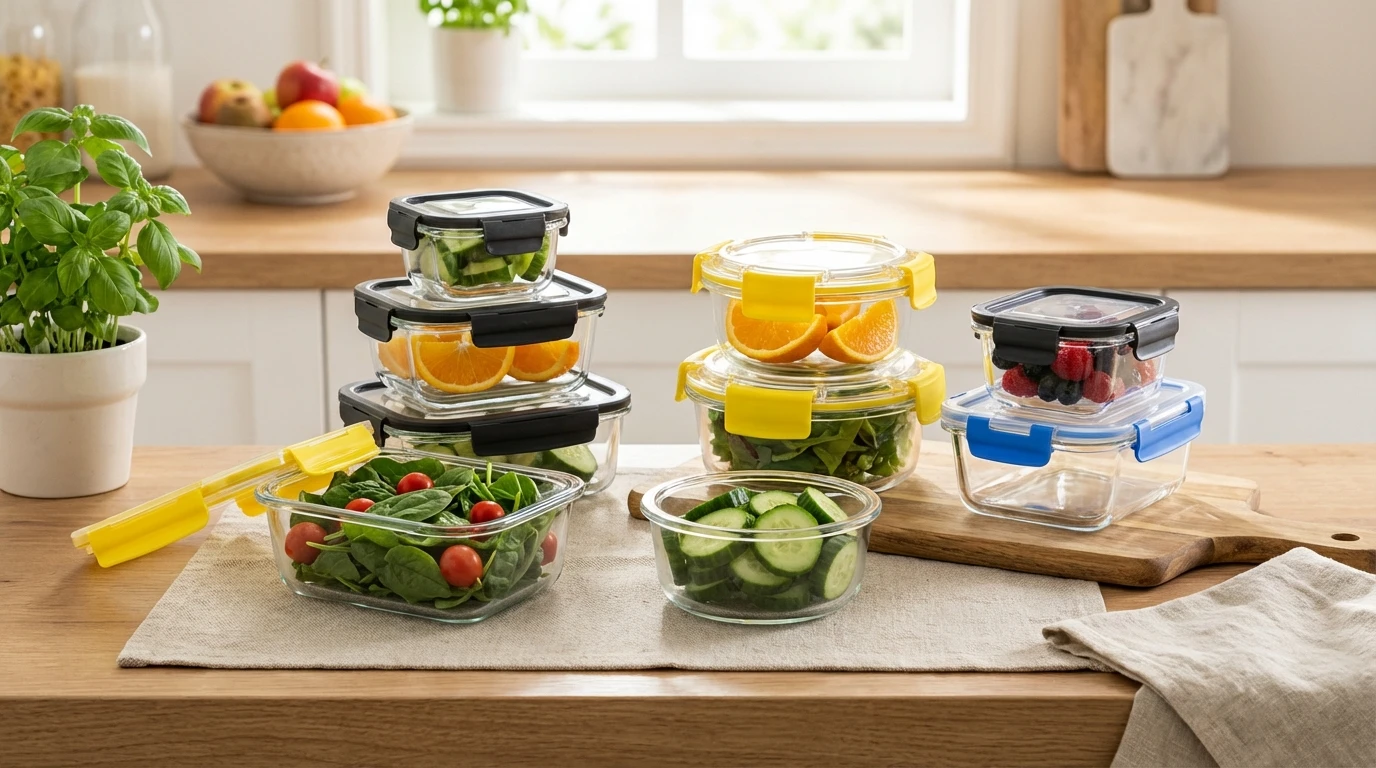
All Glass Food Storage Containers | Durable & Sustainable Solutions for B2B Industries
All Glass Food Storage Containers is a key solution in the industry, specifically within sectors looking for the highest levels of food safety, durability, and sustainability. This article explores how https://www.yintoglassware.com supports professionals with durable, high-performance products, and explains why this product is an ideal choice for businesses in these sectors.
Table of Contents
- All Glass Food Storage Containers Overview
- Benefits & Use Cases of All Glass Food Storage Containers
- Cost, Maintenance & User Experience
- Sustainability & Market Trends
All Glass Food Storage Containers Overview
Simply put, all glass food storage containers are packaging solutions made entirely of glass materials with airtight lids designed for storing, preserving, and transporting food safely. Unlike plastic or hybrid containers, these glass variants avoid chemical leaching and offer superior resistance to staining and odors—which manufacturers and food service professionals often appreciate. Frankly, in a time when food safety is more regulated (and expected) than ever, glass-made containers have earned their stripes across food processing plants, catering services, and even delicatessen supply chains.
- Made from borosilicate or tempered soda lime glass, ensuring thermal shock resistance and strength.
- Typical specs include airtight silicone or PP plastic lids that meet food-grade certifications.
| Specification | Details |
|---|---|
| Material | Borosilicate Glass / Tempered Soda Lime Glass |
| Lid Type | Silicone Sealed Airtight Lids |
| Capacity Range | 100ml to 2000ml |
| Temperature Tolerance | -40°C to 400°C |
| Certifications | FDA, LFGB, SGS Food Safety Standards |
Benefits & Use Cases of All Glass Food Storage Containers
Now, what really makes all glass food storage containers stand out? For one, their non-reactivity and ease of cleaning mean they hardly retain flavors or contaminants — a must in industries where cross-contamination could cost millions. They’re also microwave- and oven-safe (depending on specs), facilitating convenient heating or baking without worrying about melting plastics, which frankly makes life a lot easier in commercial kitchens. You might have heard that glass is fragile, but these commercial-grade designs take that fear out of the equation with tempered glass that’s surprisingly resilient.
- Ideal for industrial kitchens, catering, and food production lines requiring strict hygiene.
- Competitive edge includes high thermal resistance, reusable lifecycles, and aesthetic appeal for upscale food services.
| Vendor | Material Quality | Customization | Price Range (USD) | Lead Time |
|---|---|---|---|---|
| Yinto Glassware | Premium borosilicate glass | Full logo & size options | $2.50 - $15 per unit | 2-3 weeks |
| Competitor A | Tempered soda lime | Limited branding | $2.00 - $12 | 4-5 weeks |
| Competitor B | Standard glass | No customization | $1.80 - $10 | 3-4 weeks |
Cost, Maintenance & User Experience
When businesses look at costs, it's not just the sticker price they consider but the total cost of ownership—which frankly can make glass containers a real winner in the long run. They’re easy to clean, dishwasher-safe, and less prone to degrading over repeated use compared to plastics. That durability translates to fewer replacements, reducing overall expenses. Some catering managers I've spoken with swear by these containers for their no-nonsense maintenance and appealing presentation on event spreads. Oddly enough, user feedback consistently praises their airtight lids, which reduces spoilage and food waste—crucial in industrial settings.
- ROI is seen through longer lifecycle and lesser contamination risk.
- Customer testimonials highlight improved storage efficiency and easier compliance with hygiene regulations.
Sustainability & Market Trends
Sustainability is no longer a nice-to-have but a must for B2B decision makers, and all glass food storage containers fit neatly into this narrative. Glass is almost endlessly recyclable without quality loss, making it a hugely preferred choice versus single-use plastics. Regulatory pressure in Europe and North America further nudges industries towards greener packaging, so expect a steady growth in glass container adoption. Some reports even note that commercial kitchens embracing glass containers have reduced their carbon footprint visibly—something that feels particularly reassuring when you consider the full lifecycle impact.
- Increasing legislation supports adoption of reusable, chemical-free containers.
Frequently Asked Questions about All Glass Food Storage Containers
- What is All Glass Food Storage Containers and how does it work?
- These containers are made entirely of glass with tight-fitting lids, designed to securely hold food while protecting it from moisture, air, or contaminants. Glass is inert, so it doesn’t react with food, keeping flavors pure. The airtight seal prevents spoilage, making them ideal for storage, transport, or prep.
- What are the main benefits of using All Glass Food Storage Containers in industrial applications?
- They offer unmatched durability, reusability, and safety without risk of chemical leaching. They handle temperature swings well, are easy to clean, and enhance food presentation—all important pluses in large-scale food production or service.
- How does All Glass Food Storage Containers compare to traditional alternatives?
- Compared to plastic or metal, all-glass containers avoid flavor contamination, offer clearer visibility of contents, and last longer under heavy use. They also tend to be safer when heated or cooled rapidly, with less risk of cracking or warping when properly made.
- What industries can benefit most from All Glass Food Storage Containers implementation?
- Food manufacturers, catering companies, hospitality sectors, and institutional kitchens are prime candidates. Even pharmaceuticals and cosmetics sectors sometimes use these containers due to their inertness and sterilizability.
Conclusion on All Glass Food Storage Containers from china
To wrap things up, all glass food storage containers present a compelling option for businesses seeking durability, safety, and sustainability wrapped into one neat package. When sourced from reliable manufacturers like Yinto Glassware, the promise of quality and customization makes them even more attractive. If your company values these priorities, it’s definitely worth taking a closer look here.
- Recap the value of All Glass Food Storage Containers.
- - Visit our website: https://www.yintoglassware.com
Reflection: Choosing the right food storage container might seem trivial at first glance, but it actually intertwines with sustainability goals, operational efficiency, and quality assurance—especially in B2B industries. These nuances are why all glass food storage containers are enjoying a steady rise in popularity.
References:
1. FDA Food Contact Materials Guideline - fda.gov
2. Industry market trends 2023, Packaging Digest
3. SGS Food Safety Certification Summary, 2023
-
Ultimate Guide to Choosing Big Glass Storage Containers for Every NeedNewsApr.16,2026
-
Small Glass Lunch Containers Guide for Healthy Meal PrepNewsApr.09,2026
-
Comprehensive Guide to Choosing the Best Storage Containers for Dishes and GlassesNewsApr.07,2026
-
Selecting The Optimal 300ml Food Containers For Your Business NeedsNewsApr.04,2026
-
Discover the Benefits of Durable 3 Cup Glass Food Storage ContainersNewsMar.31,2026
-
Comprehensive Guide to Choosing Superior Glass Divided Food ContainersNewsMar.28,2026
![[Extra Large with Handle] Oven Safe Glass Food Storage Container with Airtight Locking Lid & Handle, Oven Safe Dishwasher Safe](https://images.exportstart.com/images/a1251/extra-larger-glass-container-with-snap-locking-lid-164.webp "[Extra Large with Handle] Oven Safe Glass Food Storage Container with Airtight Locking Lid & Handle, Oven Safe Dishwasher Safe")
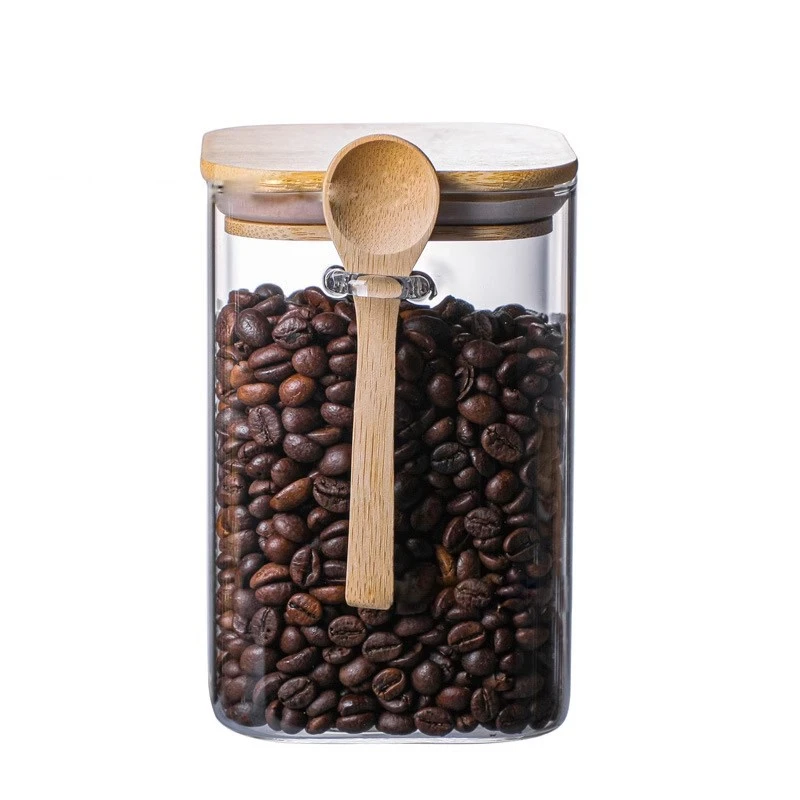
![[All Microwave Safe] High Borosilicate Glass Food Storage Container , Oven Safe without Lid, Dishwasher Safe](https://images.exportstart.com/images/a1251/squre-glass-container-with-glass-lid-518.webp "[All Microwave Safe] High Borosilicate Glass Food Storage Container , Oven Safe without Lid, Dishwasher Safe")
![[Sliding Vent PP Lid] Borosilicate Glass Food Storage Containers with Food-grade Plastic Lid, Airtight, Leak Resistant](https://images.exportstart.com/images/a1251/glass-food-storage-container-with-airtight-lid-183.webp "[Sliding Vent PP Lid] Borosilicate Glass Food Storage Containers with Food-grade Plastic Lid, Airtight, Leak Resistant")
![[Large Skylight Glass Lid] Glass Food Storage Container, Oven Safe with Lid, BPA Free, 100% Leak resistant](https://images.exportstart.com/images/a1251/glass-lid-food-storage-container-1-1-196.webp "[Large Skylight Glass Lid] Glass Food Storage Container, Oven Safe with Lid, BPA Free, 100% Leak resistant")
![[Colorful Vent PP Lid] Glass Food Storage Container, BPA Free, Leakproof, Dishwasher Safe](https://images.exportstart.com/images/a1251/002-1-639.webp "[Colorful Vent PP Lid] Glass Food Storage Container, BPA Free, Leakproof, Dishwasher Safe")
![[Color Vent PP Lid] Borosilicate Glass Food Storage Container, Leakproof, Dishwasher Safe](https://images.exportstart.com/images/a1251/1-941.webp "[Color Vent PP Lid] Borosilicate Glass Food Storage Container, Leakproof, Dishwasher Safe")
![[Vacuum AS] Food Storage Container with Pump](https://images.exportstart.com/images/a1251/7-1-397.webp "[Vacuum AS] Food Storage Container with Pump")